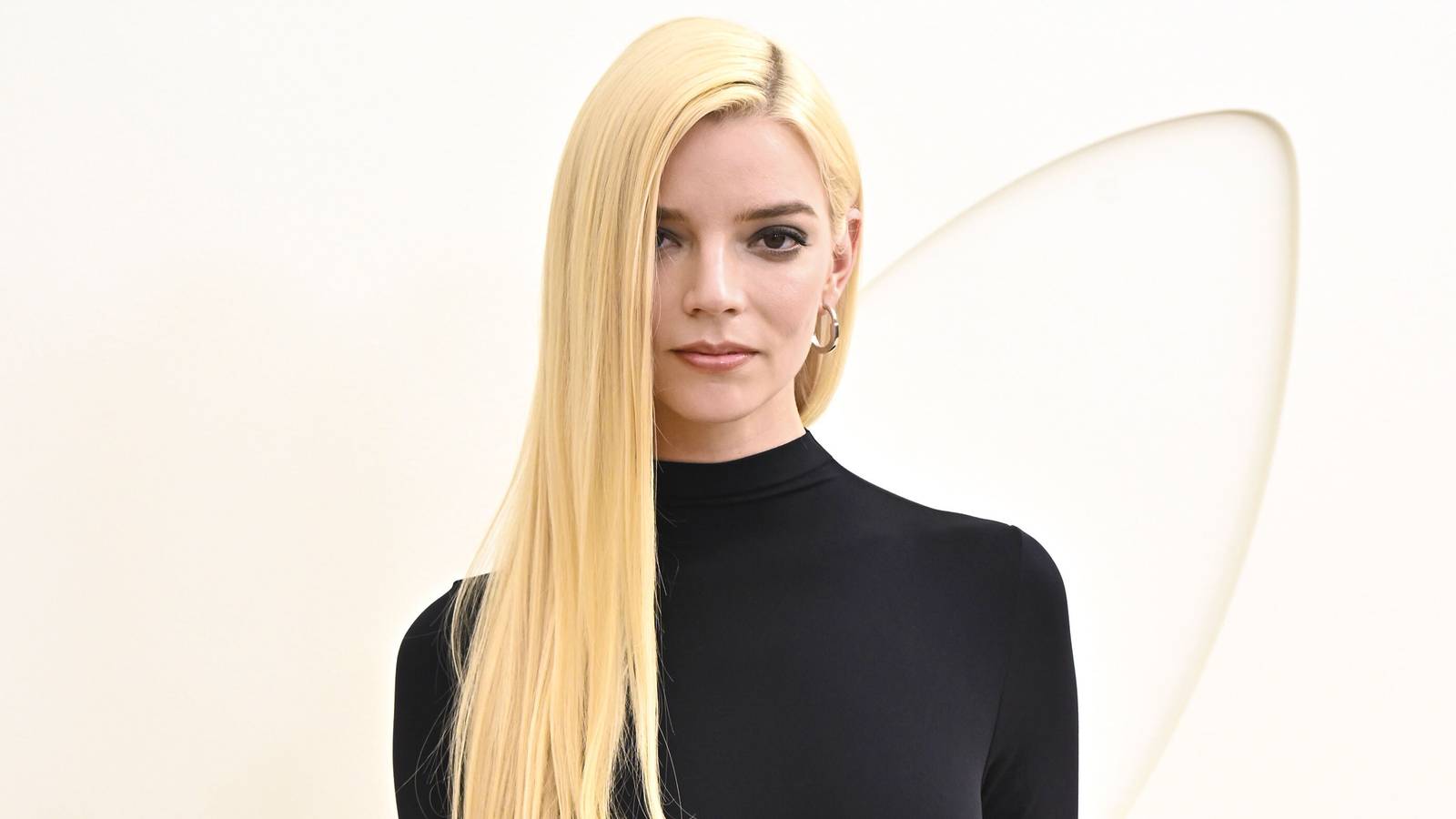
Before she was the chess prodigy of The Queen's Gambit or the Furiosa of the wasteland, Anya Taylor-Joy delivered a performance that still stands as her most riveting in the thriller genre. While her debut in Robert Eggers' The Witch earned her a cult following, it was M. Night Shyamalan's Split (2016) that catapulted her into the mainstream. A year after terrifying audiences as Thomasin, she took on a radically different challenge, one that would cement her as a force to be reckoned with.
Split marked a return to form for Shyamalan, diving into the complexities of Dissociative Identity Disorder (DID). At the center is James McAvoy's Kevin, a man harboring 24 distinct personalities. We only meet a handful, but McAvoy's portrayal is a masterclass in character work. Yet, it's Taylor-Joy who holds her own, going toe-to-toe with him as Casey Cooke, a young woman whose quiet resilience becomes her greatest weapon.
The premise is simple: Casey and two classmates, Marcia (Jessica Sula) and Claire (Haley Lu Richardson), are abducted after a birthday party by some of Kevin's most menacing alters. Trapped in a windowless underground lair, the girls face a nightmare. But Casey is different. She doesn't panic; she observes. She doesn't fight blindly; she strategizes. As the film unfolds, we learn that Casey's past is marked by trauma, giving her a unique understanding of Kevin's fractured psyche.
A Study in Contrasts
Shyamalan's film has sparked debate, particularly its depiction of DID as manifesting physical changes—the Beast, for instance, appears more muscular and imposing. While this may raise eyebrows among mental health professionals, it undeniably adds a fascinating layer to the narrative. Kevin's alters are born from his abusive upbringing, and Casey, having survived her own monsters, becomes his perfect foil.
Where Marcia and Claire resort to force, Casey relies on intellect and empathy. She recognizes that the key to escape lies not in overpowering Kevin but in understanding him. This is a delicate tightrope to walk, but Taylor-Joy does it with astonishing ease. In the abduction scene alone, as Dennis enters the car, Casey's face shifts from shock to a grim acceptance. A single tear rolls down her cheek—she knows resistance is futile, but she also knows this isn't the end.
What might seem like passivity is actually profound strength. Casey is a survivor. She has endured one predator and will find a way to outwit another. Her creativity in navigating horrifying situations is her superpower, and it carries her to the film's climactic moments. Taylor-Joy takes a character that could easily be a victim archetype and transforms her into an icon of resilience.
In the decade since Split first hit theaters, no other role has quite matched the intensity and nuance of Casey Cooke. It's a performance that resonates because it's rooted in truth—the truth of trauma, survival, and the quiet power of understanding. For those who've only seen Taylor-Joy in her later, more glamorous roles, Split remains a must-watch, a reminder of her raw talent.
If you're in the mood for more psychological thrillers, check out why 'The Outsider' is the gold standard or explore thrillers that get better on rewatch. And for another Taylor-Joy gem, don't miss her dark thriller 'Thoroughbreds' before it leaves Starz.