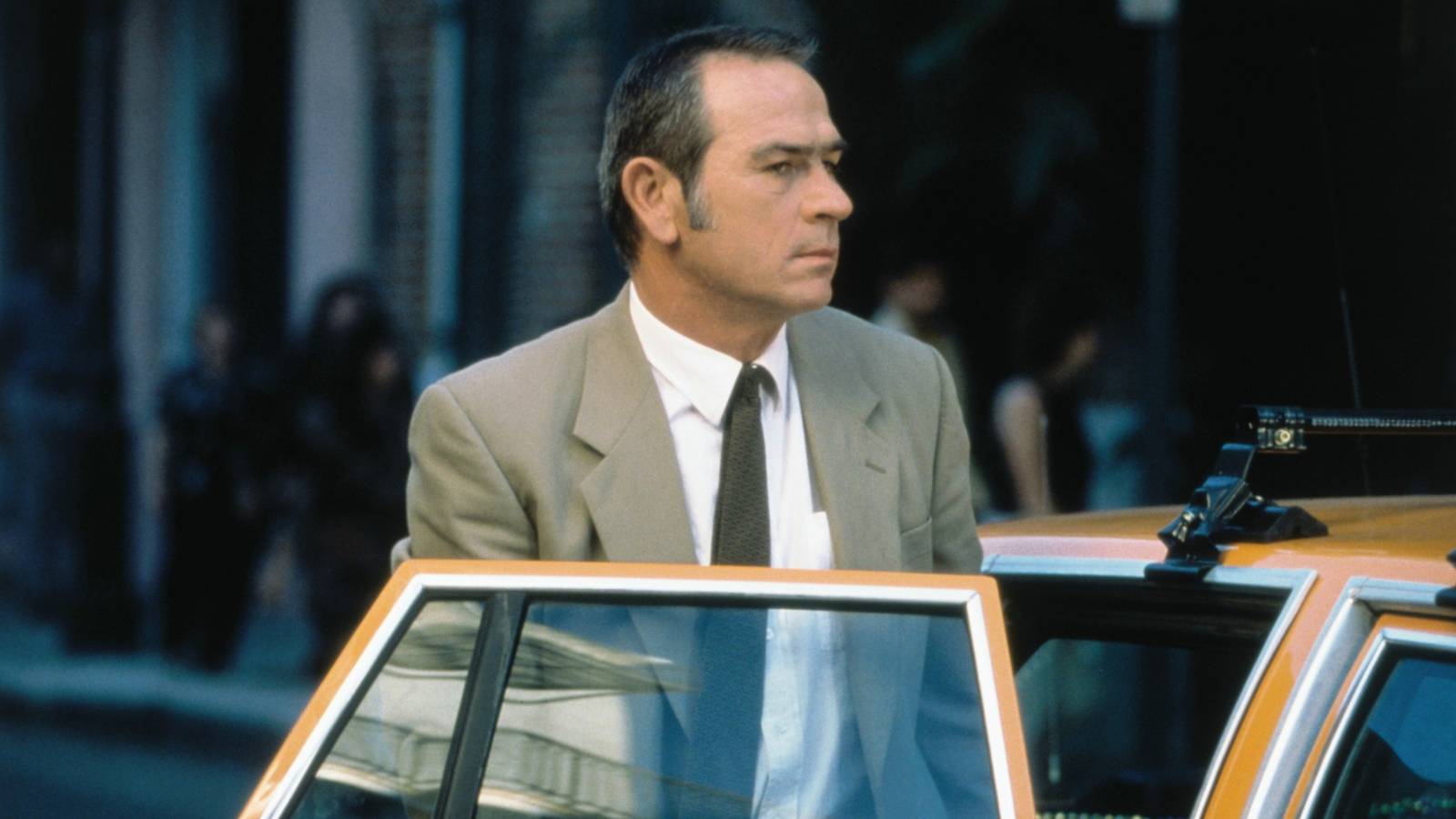
When The Fugitive stormed into theaters in 1993, it did more than just dominate the box office—it redefined what an action thriller could be. Based on the 1960s TV series, the film became a critical darling and an unlikely Oscar contender, earning a Best Picture nomination and a Best Supporting Actor win for Tommy Lee Jones. Starring Harrison Ford as Dr. Richard Kimble, a man wrongly convicted of murdering his wife, the movie follows his desperate flight from U.S. Marshals while he tries to clear his name. Directed by Andrew Davis, it stands apart from typical Academy Award fare, and Jones's portrayal of Marshal Samuel Gerard—especially his legendary delivery of the line "I don't care"—cemented his place in cinematic history.
A Moment That Defined a Character
In the early '90s, Harrison Ford was at the peak of his stardom, fresh off iconic roles like Han Solo and Indiana Jones. The Fugitive flipped that heroic image, putting Ford on the run and forcing audiences to question his innocence. Opposite him, Tommy Lee Jones brought an unflappable intensity to Gerard, a marshal who isn't interested in Kimble's pleas. Their first major confrontation happens in a storm drain, where Kimble, armed with a gun, insists he didn't kill his wife. Gerard, hands raised, simply replies, "I don't care." Those three words instantly became part of Hollywood's lexicon.

The Power of Professional Detachment
Jones's performance throughout the film is a masterclass in no-nonsense professionalism. His Gerard isn't motivated by moral outrage or a thirst for justice—he's just doing his job. That's what makes the line so devastating. In most thrillers, law enforcement officers are driven by a higher purpose, often delivering speeches about the sanctity of the law. But The Fugitive strips that away. Gerard's job is to apprehend Kimble, not to judge him. His personal opinion is irrelevant, even if he privately believed in Kimble's innocence. For a doctor like Kimble, whose entire career is built on persuasion and opinion, this cold indifference is a brutal wake-up call.
A Timeless Thriller
What makes The Fugitive endure is its simplicity. It's a tightly constructed narrative that feels like a throwback to classic Hollywood, which likely appealed to Oscar voters. With two towering stars and a balanced mix of spectacle and character, the film makes filmmaking look effortless. The storm drain scene, in particular, is a standout—Jones delivers the fury of a Shakespearean monologue in just three one-syllable words. His conviction is undeniable, even as Gerard shows a flicker of fear, knowing Kimble could pull the trigger. But he never lets that fear compromise his duty.
Why It Still Resonates in 2026
More than three decades later, "I don't care" remains a benchmark for cold, efficient dialogue in action thrillers. It's a line that could have come from a 1940s Warner Bros. noir, yet it feels timeless. The film's lack of heavy subtext is a strength—it's about characters defined by their actions. Gerard has nothing profound to say to Kimble; he just wants to bring him in. When you're caught in a misunderstanding and arguing with someone whose entire identity is tied to their profession, you're fighting an impossible battle. That's the harsh reality The Fugitive captures so perfectly.
For fans of the genre, The Fugitive remains a must-watch, and it's currently streaming free on Pluto. If you're in the mood for more thrillers that hold up on repeat viewings, check out our list of thrillers that get better on rewatch. And if you're a fan of Jones's intensity, you might also enjoy HBO's The Outsider, another psychological thriller that keeps you on edge.
As we look ahead to 2026, The Fugitive stands as a testament to the power of sharp writing and even sharper performances. It's a film that doesn't need flashy effects or convoluted twists—just a great story, a legendary cast, and one unforgettable line that still cuts deep.