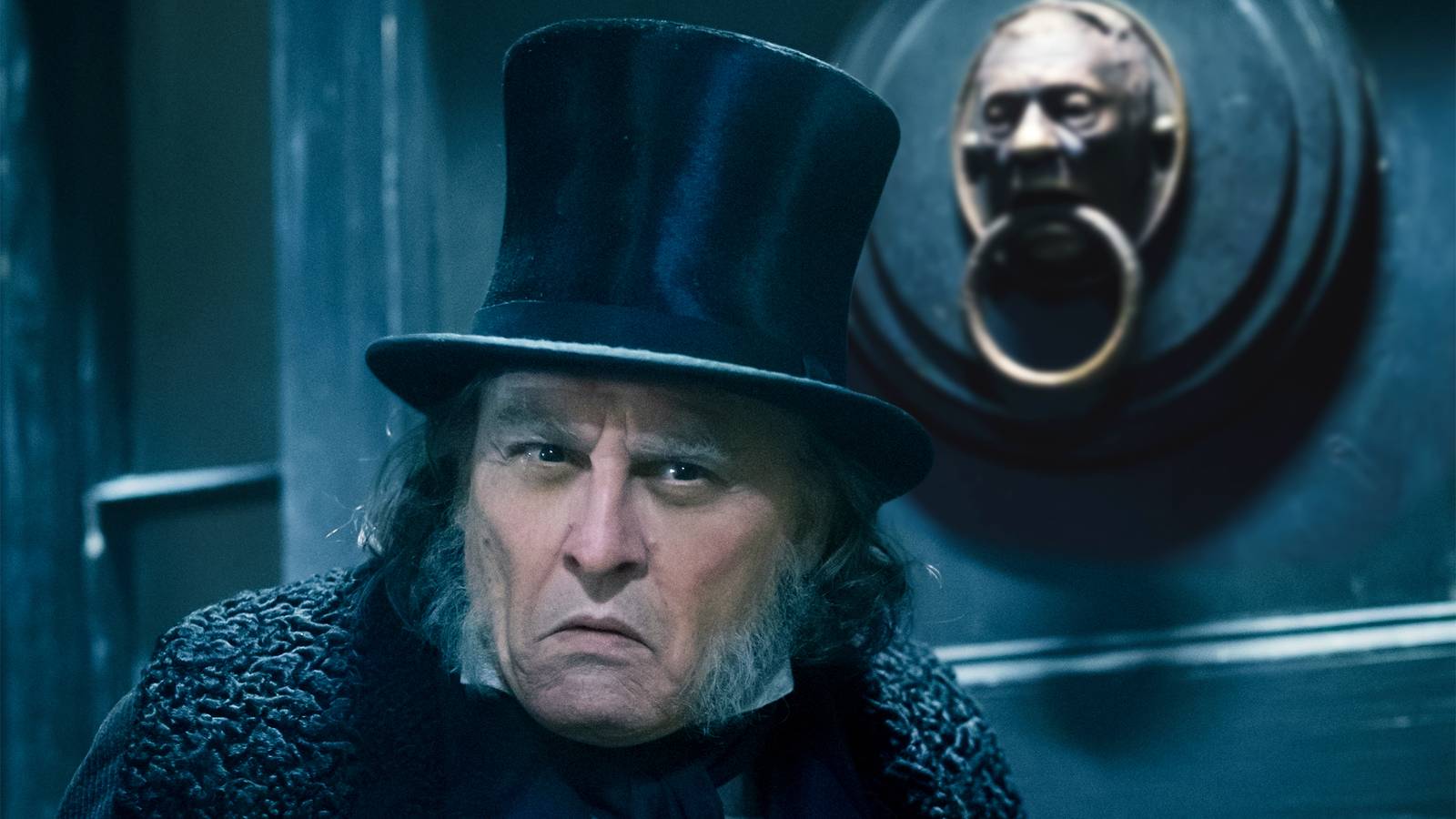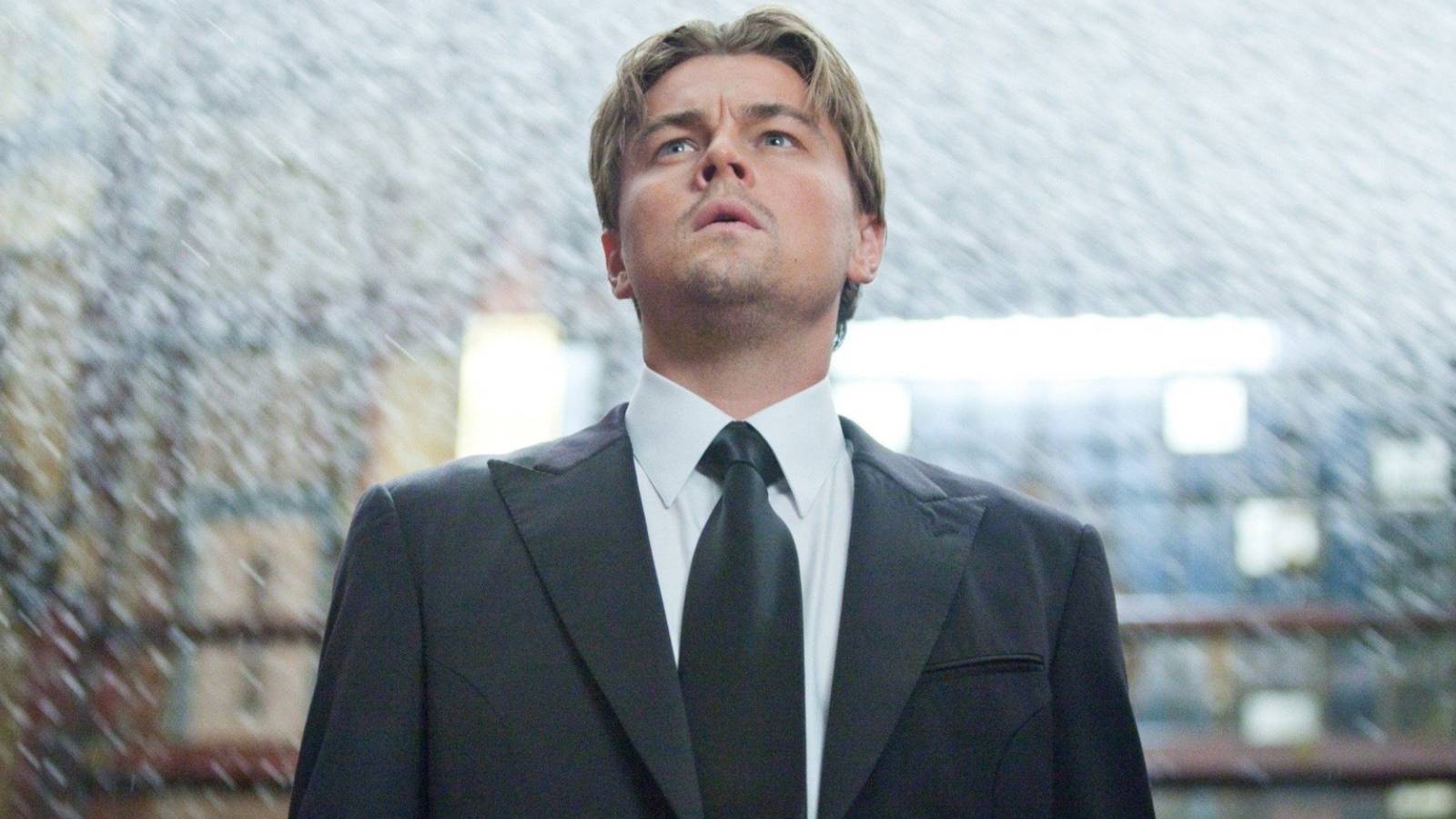
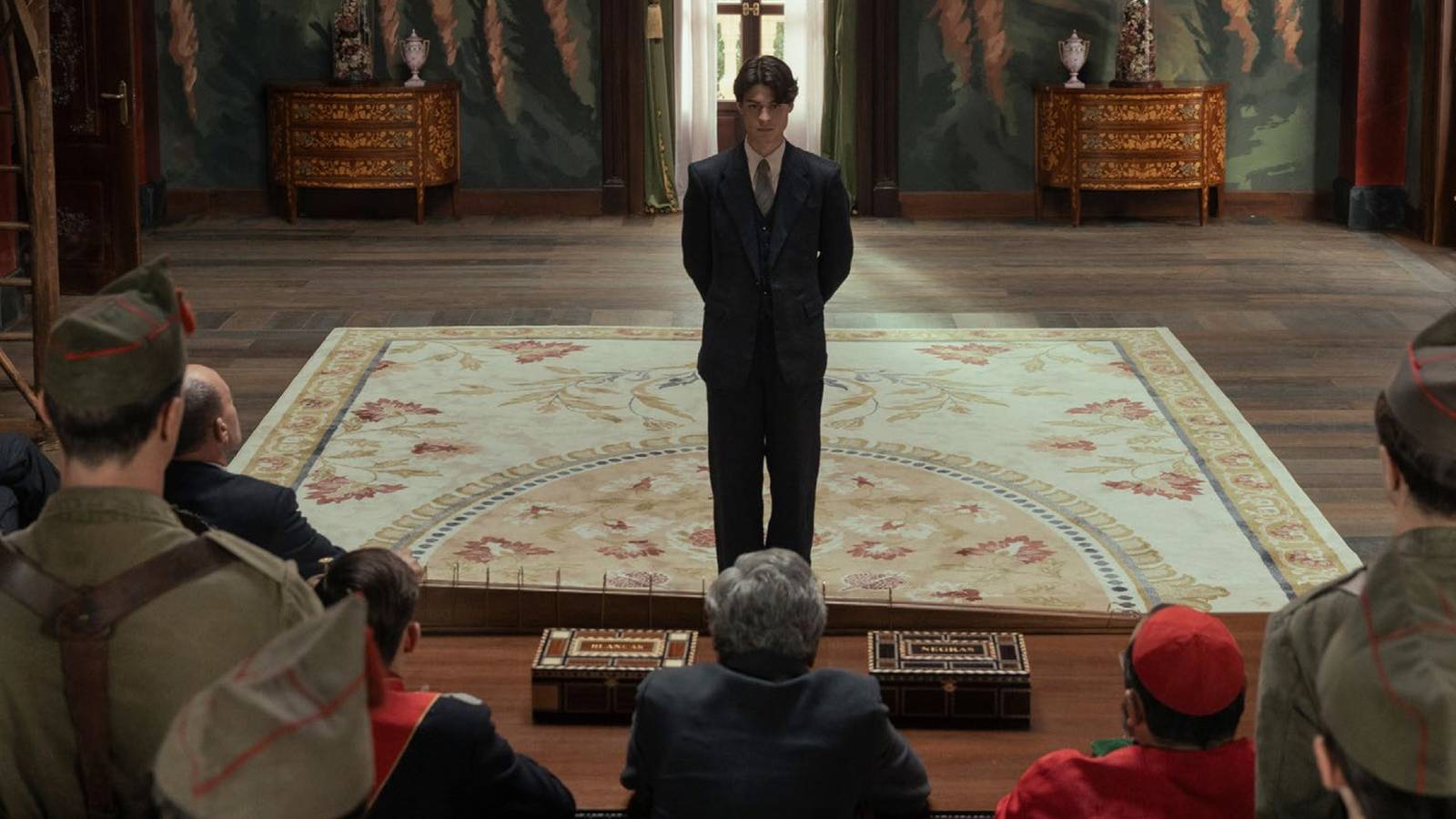
Thrillers are designed to keep you on edge, but the best ones do more than that—they linger in your mind long after the credits roll. While a first watch delivers the shock of twists and turns, a second viewing often uncovers layers you missed the first time. Whether it's a subtle visual clue, a line of dialogue that takes on new meaning, or a performance that deepens with context, these films prove that the genre's true brilliance lies in its rewatchability.
From psychological mind-benders to classic suspense, here are the thriller movies that are even better the second time around, ranked.
8. The Shining (1980)
Stanley Kubrick's adaptation of Stephen King's novel is a masterclass in atmospheric dread. Jack Torrance (Jack Nicholson) takes a winter caretaker job at the isolated Overlook Hotel, bringing his wife Wendy (Shelley Duvall) and psychic son Danny (Danny Lloyd). As snow traps them, Jack's sanity unravels, and the hotel's supernatural forces take hold.
On a second watch, the film's intricate symbolism and Kubrick's meticulous staging become more apparent. The maze-like corridors, the recurring motifs, and the ambiguous ending all invite deeper interpretation. It's a film that rewards careful attention, making each rewatch a new experience.
7. The Silence of the Lambs (1991)
Jonathan Demme's Oscar-winning thriller follows FBI trainee Clarice Starling (Jodie Foster) as she seeks the help of imprisoned cannibalistic psychiatrist Hannibal Lecter (Anthony Hopkins) to catch serial killer Buffalo Bill (Ted Levine). The film's psychological tension is palpable, and its dialogue crackles with wit and menace.
Rewatching reveals the subtle power dynamics at play, the visual cues that hint at Bill's identity, and the layers of Clarice's own trauma. It's a film that rewards close attention, with every glance and gesture carrying weight.
6. Psycho (1960)
Alfred Hitchcock's groundbreaking shocker introduced audiences to Norman Bates (Anthony Perkins), the shy motel owner with a dark secret. Marion Crane (Janet Leigh) checks in after embezzling money, and her fateful shower scene changed cinema forever.
On a second viewing, the film's clever manipulation of audience sympathy becomes clear. Hitchcock masterfully shifts our allegiances, and the film's technical brilliance—from editing to score—is even more impressive when you know what's coming.
5. 12 Monkeys (1995)
Terry Gilliam's dystopian sci-fi thriller stars Bruce Willis as James Cole, a prisoner sent back in time to stop a deadly virus that wipes out most of humanity. Brad Pitt delivers a manic performance as a mental patient linked to the outbreak.
The film's non-linear narrative and chaotic pacing can be disorienting on first viewing, but a rewatch helps untangle its complex timeline. The themes of fate, madness, and memory become richer, and the ending—ambiguous yet inevitable—hits harder when you see the clues scattered throughout.
4. Inception (2010)
Christopher Nolan's heist film set within dream layers is a puzzle box that demands multiple viewings. Dom Cobb (Leonardo DiCaprio) leads a team to plant an idea in a target's subconscious, but his own guilt and memories threaten to derail the mission.
Each rewatch reveals new details in the film's intricate world-building, from the totems to the spinning top. The emotional core—Cobb's grief and his relationship with his wife Mal (Marion Cotillard)—becomes more poignant when you know the truth behind the layers.
3. Fight Club (1999)
David Fincher's adaptation of Chuck Palahniuk's novel is a visceral critique of consumerism and masculinity. An unnamed narrator (Edward Norton) forms an underground fight club with the charismatic Tyler Durden (Brad Pitt), leading to a shocking revelation.
Once you know the twist, the film becomes a different experience. Every scene with Tyler is recontextualized, and the narrator's unreliable perspective is laid bare. The film's dark humor and social commentary are even sharper on rewatch.
2. Mulholland Drive (2001)
David Lynch's surreal neo-noir is a dreamlike puzzle that defies easy interpretation. An aspiring actress (Naomi Watts) arrives in Hollywood and becomes entangled in a mystery involving a woman with amnesia (Laura Harring).
The film's structure—a first half that feels like a traditional mystery, a second half that shatters expectations—is designed for multiple viewings. Lynch's use of symbolism and recurring motifs rewards close attention, and each rewatch offers new theories and interpretations.
1. The Usual Suspects (1995)
Bryan Singer's crime thriller is a masterclass in misdirection. A small-time con man (Kevin Spacey) recounts a story to a customs agent about a heist gone wrong and the mysterious criminal mastermind known as Keyser Söze.
The film's twist ending is legendary, but the real joy comes from rewatching with that knowledge. Every detail—from the line-up to the police station to the final shot—is a clue. The film's cleverness is even more apparent on a second viewing, making it the ultimate thriller to revisit.
These films prove that a great thriller isn't just about the shock—it's about the layers beneath. So next time you're looking for something to watch, consider giving one of these a second chance. You might be surprised at what you discover.