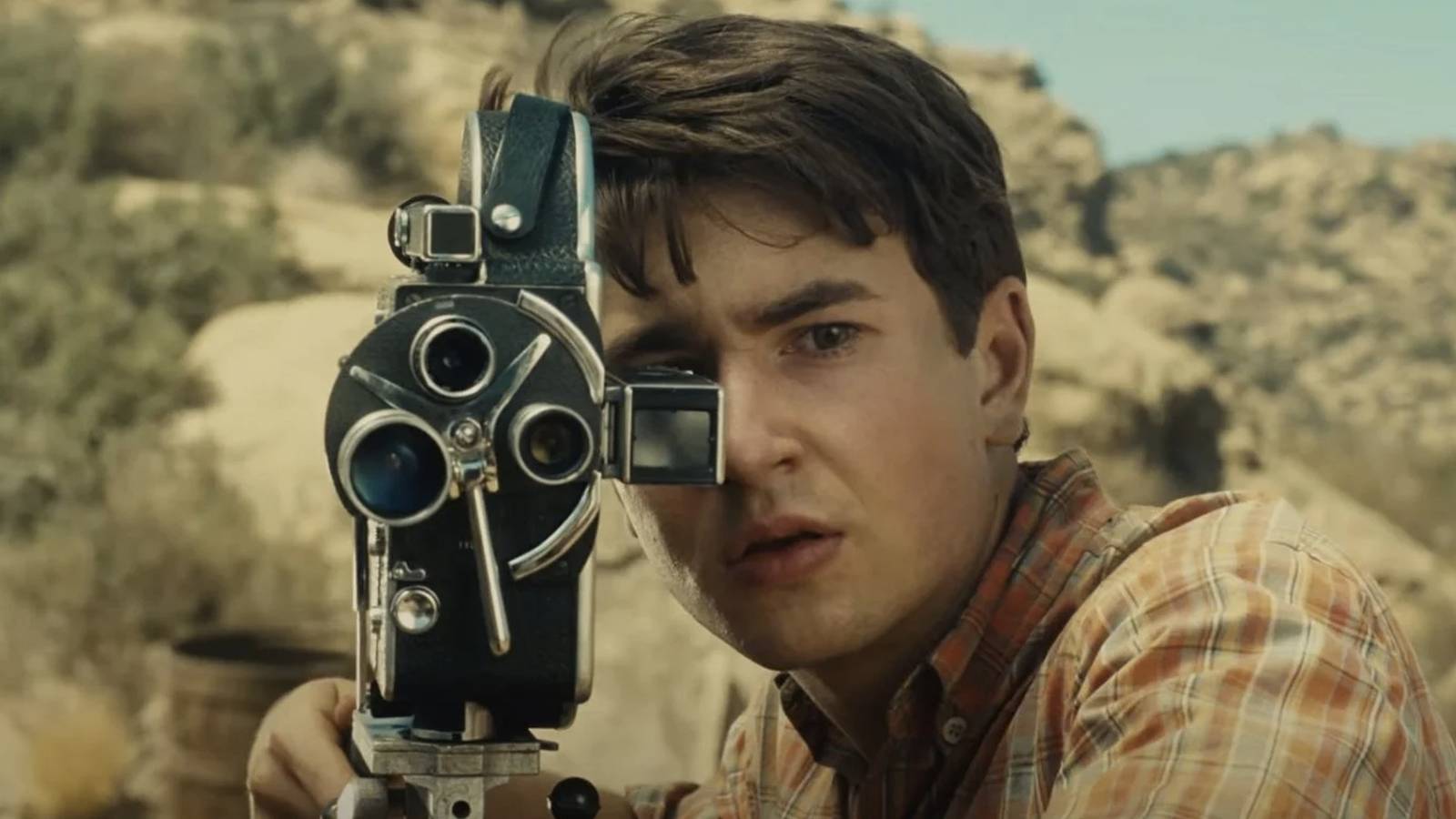
All eyes are on Steven Spielberg's latest blockbuster, Disclosure Day, which has been shattering box office records and sparking endless online debate. But while the conversation swirls around this new release, it's worth taking a moment to revisit what many consider the director's most profound—and most overlooked—science fiction film: 2001's A.I. Artificial Intelligence.
Originally conceived by Stanley Kubrick before his passing, A.I. was handed to Spielberg, who infused it with his signature warmth while retaining Kubrick's chilling philosophical questions. The result is a hauntingly beautiful meditation on love, humanity, and what it means to be real. It's a film that rewards repeat viewings and deserves a spot alongside Spielberg's most celebrated works.
A Tale of a Mechanical Boy
Set in a future where climate change has flooded coastlines and robots serve humanity, A.I. follows David (Haley Joel Osment), a highly advanced android child programmed to love unconditionally. When his adoptive human family abandons him, David embarks on a quest to become a "real boy," driven by his unwavering love for his mother. His journey is equal parts fairy tale and existential nightmare, touching on themes of grief, identity, and the limits of artificial consciousness.
Osment delivers a performance that is both heartbreaking and uncanny, perfectly capturing the innocence and desperation of a machine that feels too much. Jude Law shines as Gigolo Joe, a pleasure robot who becomes David's guide through the dark underbelly of this future world. Together, they navigate a society that fears and exploits its creations.
Why It Stands Apart
While Spielberg's other sci-fi films—like Close Encounters of the Third Kind, E.T., and Minority Report—are rightly celebrated, A.I. occupies a unique space. It's his most emotionally complex and ambiguous work, refusing to offer easy answers. The film's ending, which spans millennia and involves advanced beings, remains one of the most debated conclusions in cinema. Some find it uplifting; others find it devastating. Either way, it lingers long after the credits roll.
In an era where artificial intelligence is no longer science fiction but a daily reality, A.I. feels more prescient than ever. It asks questions we're still grappling with: Can a machine truly love? What responsibilities do we have to our creations? And what does it mean to be human when the line between organic and synthetic blurs?
A Legacy Worth Revisiting
As Disclosure Day continues to dominate headlines—even surpassing Tom Cruise's Oblivion at the domestic box office—it's easy to forget that Spielberg's filmography is filled with gems that deserve renewed attention. For fans looking to dive deeper, our list of 5 Underrated Steven Spielberg Blockbusters That Deserve More Love includes A.I. as a must-see. And if you're curious how it stacks up against his other sci-fi efforts, check out Steven Spielberg's Sci-Fi Movies Ranked Worst to Best by Letterboxd Users.
Whether you're a longtime fan or a newcomer, A.I. Artificial Intelligence offers a rich, thought-provoking experience that stands the test of time. It may not have the immediate thrills of Jurassic Park or the blockbuster spectacle of Disclosure Day, but its emotional depth and philosophical ambition make it Spielberg's most daring sci-fi statement. Don't let the discourse of the moment keep you from discovering—or rediscovering—this masterpiece.