What transforms a great film into a truly thrilling one? It's that electric, visceral reaction—the white knuckles, the held breath, the pulse that races long after the credits roll. The most exceptional thrillers aren't confined to one style; they can be sleek spy capers, gritty crime sagas, or mind-bending psychological journeys. What unites them is a masterful command of tension, crafted by filmmakers who know exactly how to tighten the screws on their audience.
The Wages of Fear (1953)
Before modern blockbusters defined adventure, Henri-Georges Clouzot delivered a masterclass in sustained anxiety with The Wages of Fear. This seminal film follows a group of desperate men in South America hired to transport truckloads of highly unstable nitroglycerin across treacherous terrain. The genius lies not in speed, but in agonizing stillness—every pothole and moment of silence becomes a potential catastrophe. It's a raw, nerve-shredding experience that remains as potent today as it was over seventy years ago, proving true suspense is timeless.

North by Northwest (1959)
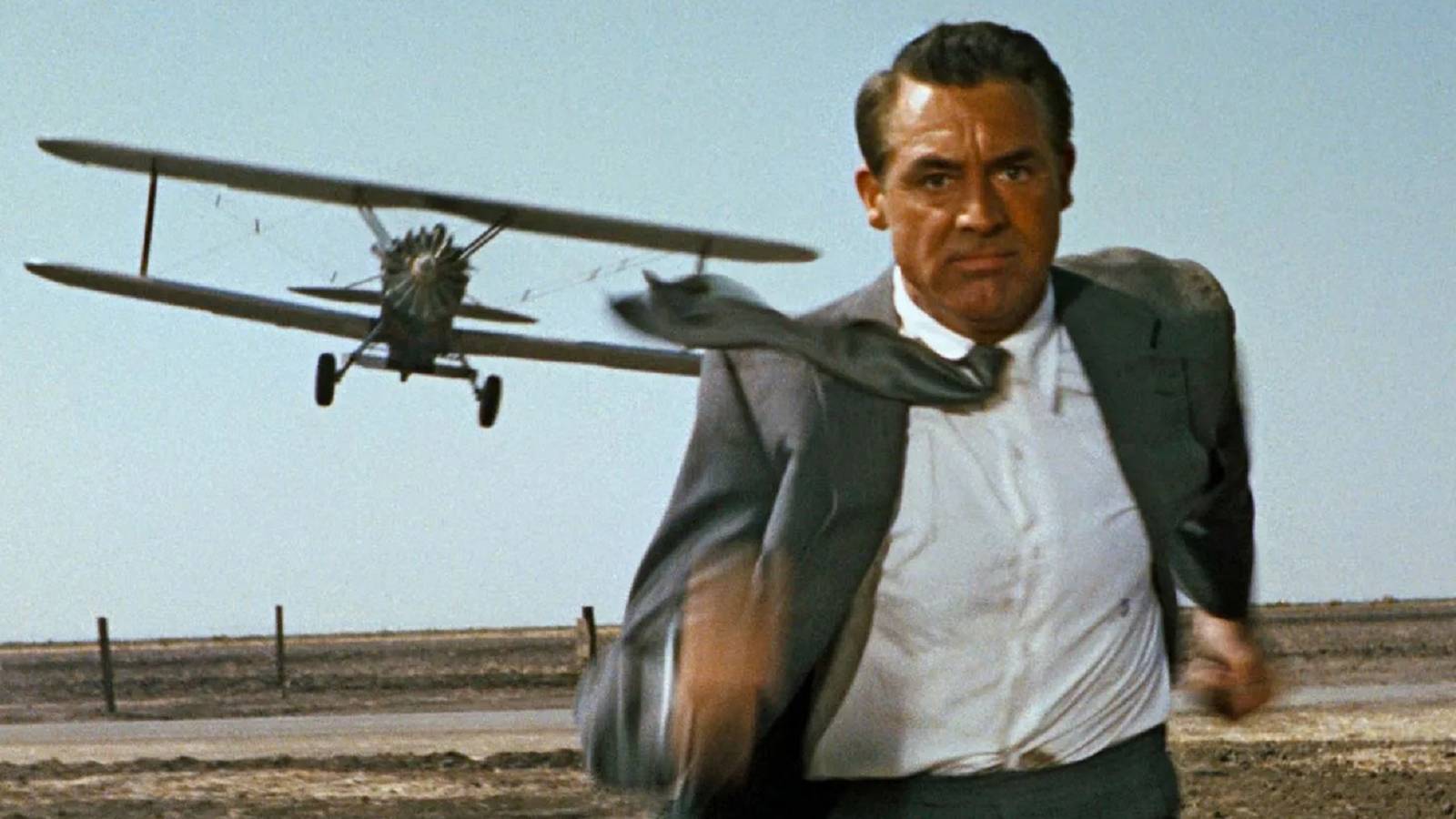
No discussion of thrillers is complete without Alfred Hitchcock. While the Master of Suspense gifted us many gems, North by Northwest stands as his most purely entertaining and influential adventure. Cary Grant stars as Roger Thornhill, an ordinary man thrust into an extraordinary espionage plot after a case of mistaken identity. The film is a relentless parade of iconic set pieces, from the legendary crop-duster chase to the cliffhanger finale on Mount Rushmore. It perfectly blends wit, romance, and breathless action, creating a blueprint that spy films have followed for generations.
Army of Shadows (1969)
Jean-Pierre Melville's Army of Shadows elevates the thriller into a realm of profound moral gravity. This stark portrayal of the French Resistance during World War II strips away any glamour from espionage, presenting a world of bleak choices and necessary betrayals. The film follows a clandestine cell whose operations against the Nazi occupation force them to confront the ethical cost of their defiance. It's a slow-burn, emotionally complex masterpiece that finds its chilling power in realism and moral ambiguity, standing as one of cinema's most uncompromising looks at the human cost of war.
Dog Day Afternoon (1975)
Sidney Lumet's Dog Day Afternoon trades slick Hollywood escapism for sweaty, chaotic realism. Based on a true story, it features Al Pacino in a career-defining role as Sonny, a man whose botched bank robbery to pay for his partner's surgery spirals into a prolonged hostage crisis and media circus. The film's tension derives from its documentary-like feel and phenomenal performances, particularly from Pacino and John Cazale. Remarkably progressive for its time, it handles its characters' complexities with a sensitivity that makes the escalating tension all the more heartbreaking. For fans of character-driven tension, it's a perfect companion to modern explorations of psychological unraveling, like the themes explored in performances where actors become unhinged.
After Hours (1985)
Proving that thrills and laughs can coexist, Martin Scorsese's After Hours is a surreal, comedic nightmare. It follows a mild-mannered office worker whose simple date in New York's SoHo district descends into a bizarre and inescapable odyssey of misfortunes. The film masterfully builds a claustrophobic sense of paranoia and helplessness, as every attempt the protagonist makes to extricate himself only pulls him deeper into the city's weird underbelly. It's a brilliant, anxiety-inducing farce that showcases a different kind of cinematic suspense.
These films represent just a fraction of the thrilling masterpieces that have defined cinema. They remind us that the most powerful reactions are often those felt in our gut—the collective gasp, the shared dread, the exhilaration of survival. Whether through existential dread in a dystopian future or the immediate peril of a heist gone wrong, these movies connect us through sheer, unadulterated tension. For those who crave more cerebral chills, the genre's foundations are built on films like these, which you can explore further in our guide to the essential psychological thrillers that built the genre.