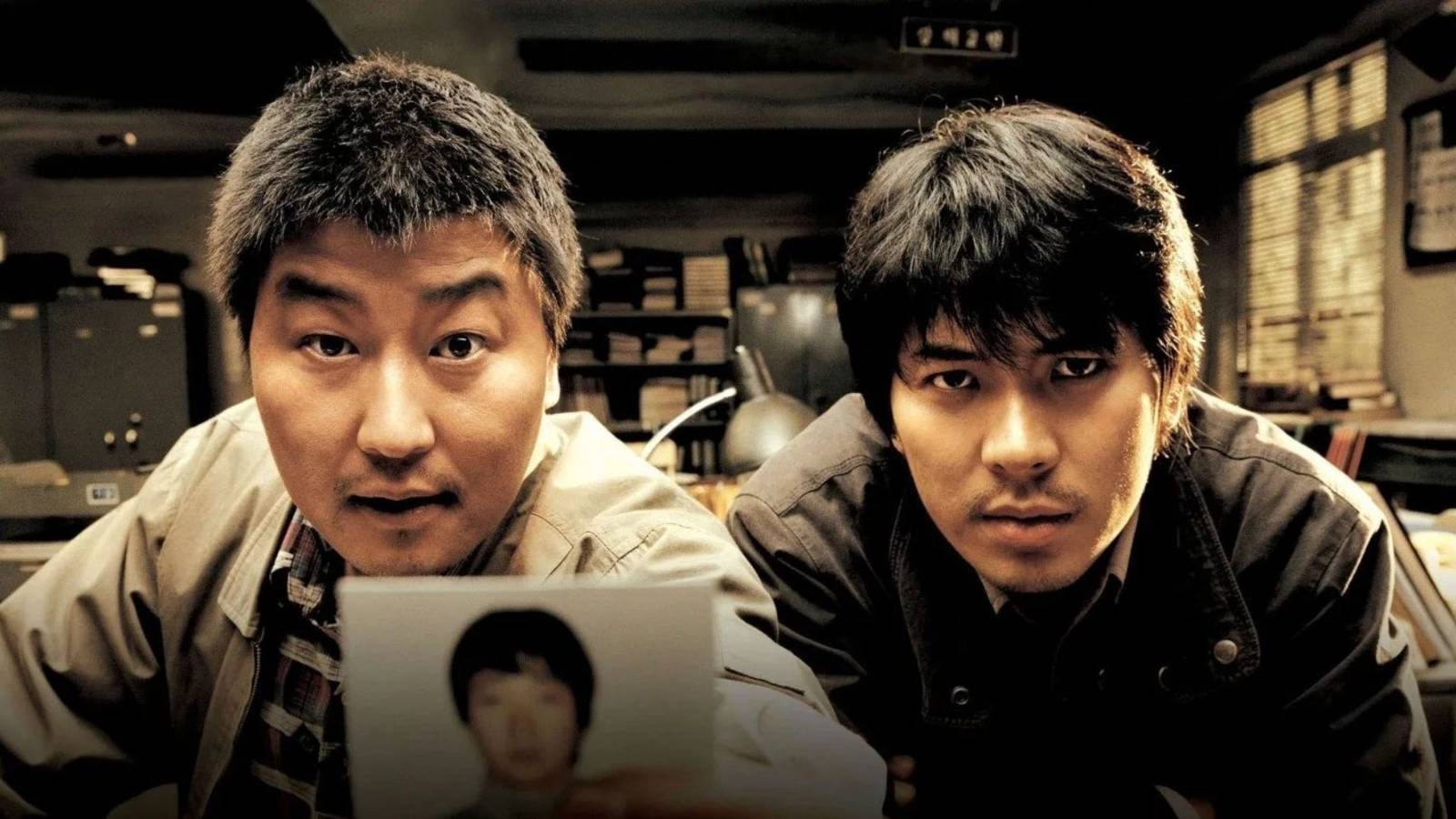
What separates a true psychological thriller from a standard suspense film? It's the deep, unsettling dive into the human mind. These movies trade cheap jump scares for a slow-burning dread that gets under your skin, exploring fractured psyches and moral ambiguity. They're films that leave you questioning reality long after the credits roll, and their legacy is built on a foundation of cinematic masterpieces.
The Birth of Cinematic Anxiety: 'M' (1931)
To understand where psychological thrillers began, look to the shadowy world of German Expressionism. This movement, which also gave birth to horror cinema, specialized in visualizing internal torment. Fritz Lang's M stands as a towering achievement from this era. Starring Peter Lorre in a career-defining role as a child-murderer, the film was revolutionary. At a time when "talkies" were still novel, Lang used sound with chilling restraint—a distant whistle, off-screen cries—to build unbearable tension. Its focus on a community's paranoia and a killer's twisted psychology, rather than graphic violence, created a blueprint for the genre. As one of the very first of its kind, M earns its place on the genre's Mount Rushmore.
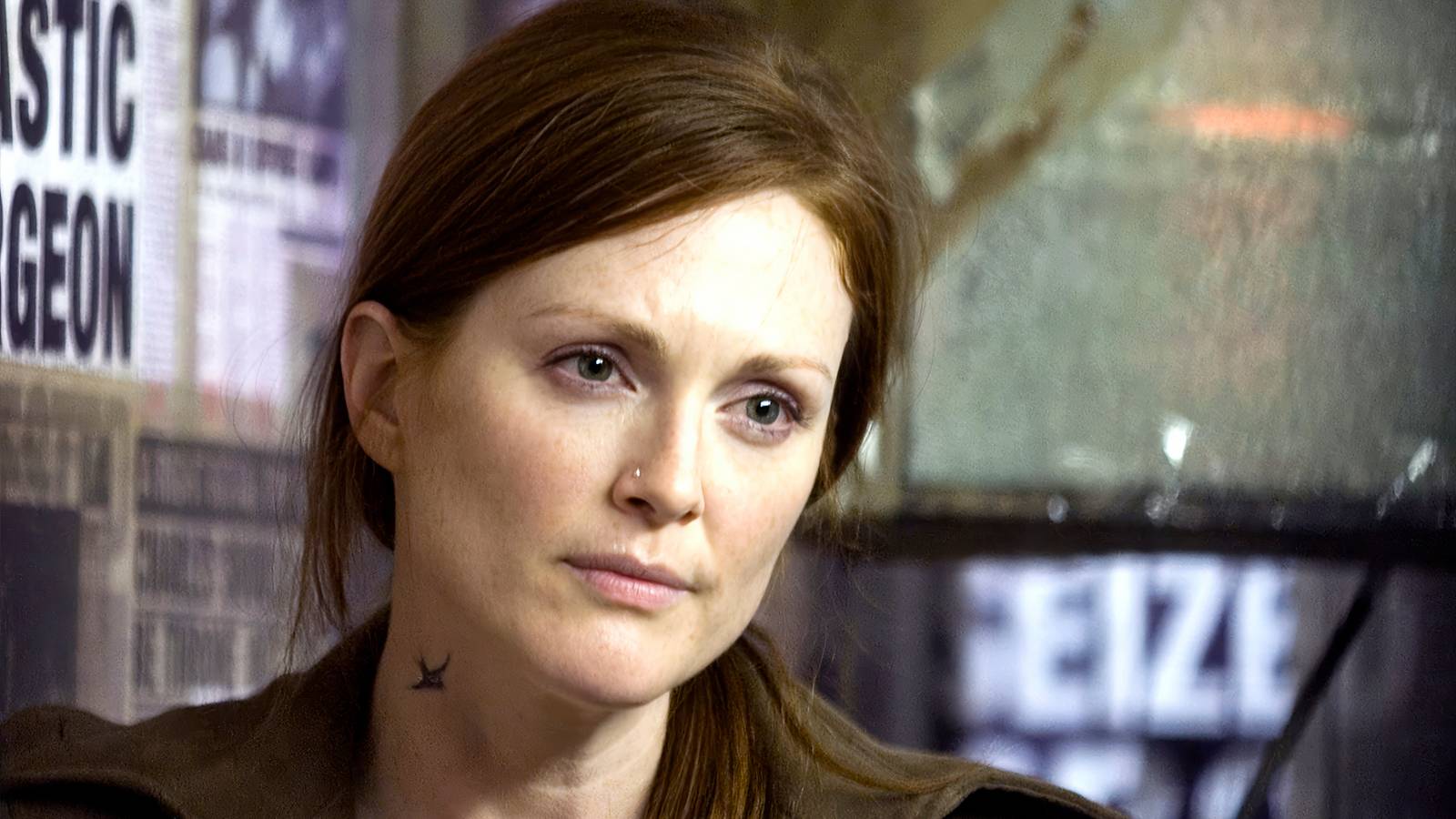
A Surreal Descent: 'Mulholland Drive' (2001)
If you want to experience a waking nightmare, David Lynch's Mulholland Drive is the ultimate trip. Lynch, the modern master of surrealism, crafted a film that begins as a seemingly straightforward Hollywood mystery before completely unraveling into a psychological labyrinth. The story of an amnesiac woman and an aspiring actress gradually fractures, poking holes in perception and narrative itself. It's a film that demands multiple viewings, not to "solve" it, but to fully immerse in its hypnotic, terrifying exploration of dreams, identity, and the dark side of ambition. It remains a pinnacle of the form, proving that the most profound thrills come from confronting the chaos within our own minds.
A Modern Masterpiece: 'Parasite' (2019)
Bong Joon Ho's Parasite did more than win the Oscar for Best Picture; it demonstrated the explosive power of a psychological thriller executed to perfection. On the surface, it's a darkly comic tale of class warfare between two families. But beneath the meticulous plotting and shocking twists lies a relentless engine of social anxiety and mounting dread. The film masterfully manipulates tone, swinging from humor to horror, making the audience complicit in the characters' escalating deceptions. Its genius lies in how it makes the psychological tension of economic inequality feel visceral and inescapable. For a look at other films where performances masterfully portray unraveling psyches, the genre offers many chilling examples.
The Enduring Power of the Mind Game
These three films, though decades apart, share a common thread: they weaponize psychology. M explores the psyche of a predator and the society that hunts him. Mulholland Drive dissects the fragile psyche of dreamers. Parasite traps us in the claustrophobic mindset of the desperate. They prove that the most compelling suspense doesn't come from what's chasing you, but from the unspoken fears and twisted thoughts inside your own head.
The genre's versatility is its strength. It can be a stark black-and-white procedural, a sun-drenched social satire, or a surreal Hollywood hallucination. This diversity ensures its continued evolution, inviting new filmmakers to challenge audiences. Like the best war thrillers that master tension, psychological thrillers are defined by their impeccable control over atmosphere and pacing.
From Lang's pioneering shadows to Lynch's surreal soundscapes and Bong's architectural suspense, these directors understood that true fear is a cognitive event. They built worlds where trust is fragile, reality is subjective, and the greatest monsters are often the ones we recognize in the mirror. That's the defining, and enduring, power of the psychological thriller.