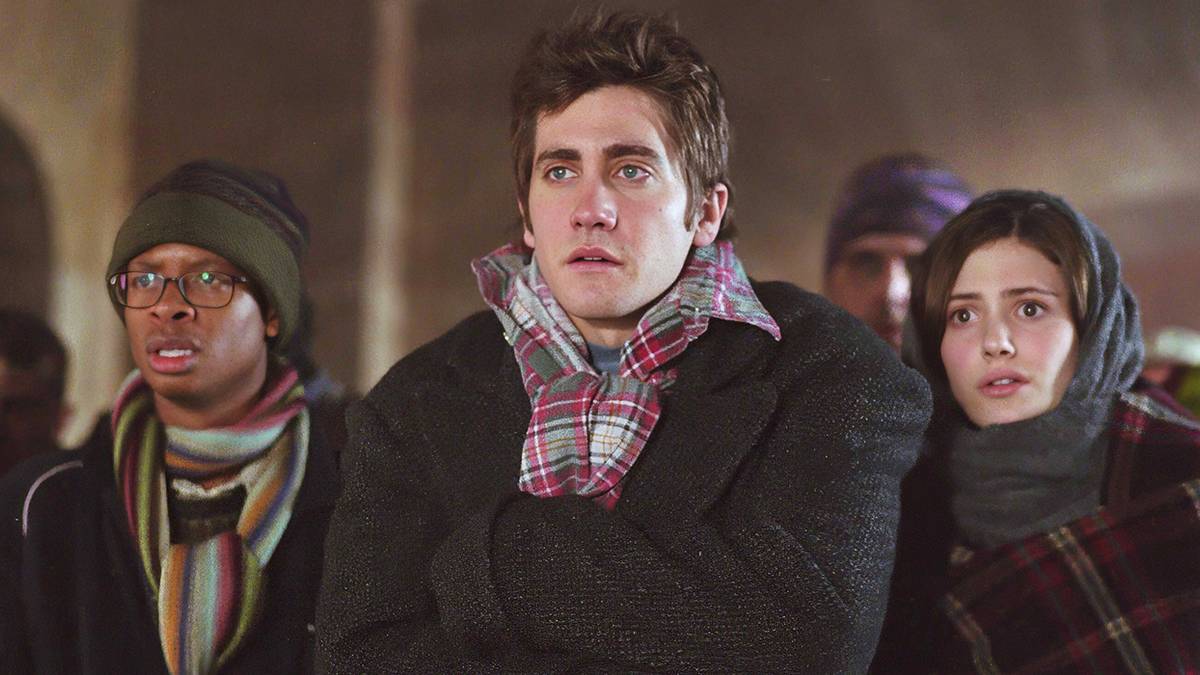
In a month already packed with sci-fi blockbusters like Project Hail Mary, Hoppers, and Iron Lung, one unlikely title has clawed its way back into the spotlight: Roland Emmerich's 2004 climate catastrophe epic The Day After Tomorrow. The film, which stars Jake Gyllenhaal and Dennis Quaid, recently landed at No. 9 on Peacock's U.S. Top 10 Movies list, sandwiched between The Martian and Ordinary Angels.
This streaming resurgence comes as audiences are rediscovering the disaster-movie subgenre that dominated the early 2000s. Back then, Hollywood churned out apocalyptic tales inspired by real scientific debates—none more visually audacious than Emmerich's vision of a superstorm plunging the Northern Hemisphere into a new ice age. The film's return to popularity also coincides with a broader nostalgia for early-2000s sci-fi, as fans revisit the era's unique blend of practical effects and early CGI.

A Familiar Formula, Elevated by Spectacle
Directed by the master of large-scale destruction (he also helmed Independence Day, Godzilla (1998), White House Down, and Moonfall), The Day After Tomorrow follows paleoclimatologist Jack Hall (Quaid) as he discovers evidence of a catastrophic climate shift during an Antarctic expedition. Meanwhile, his son Sam (Gyllenhaal) must survive the ensuing superstorm while trapped in a flooded New York City library. The film grossed over $552.6 million worldwide, making it the sixth-highest-grossing film of 2004.
Critics were divided, however. The movie holds a 45% critics' score and a 50% audience score on Rotten Tomatoes, with many calling it “the Weather Channel on steroids.” While the CGI was widely praised for bringing the frozen apocalypse to life, reviewers noted that the film leaned heavily on genre clichés and failed to engage meaningfully with the serious topic of climate change. Still, for fans of pure popcorn spectacle, it remains a guilty pleasure.
Why Now? The Streaming Boom of Disaster Flicks
The timing of this comeback isn't random. May 2026 has seen a surge in streaming interest for disaster movies, fueled by the success of new sci-fi hits and a growing appetite for high-stakes survival stories. The Day After Tomorrow fits neatly into that trend, offering a nostalgic escape that feels both familiar and thrillingly over-the-top.
For those who haven't revisited it in years, the film's mix of cheesy dialogue, breathtaking destruction, and earnest family drama still delivers. And with Peacock's algorithm pushing it into the Top 10, a whole new generation of viewers is discovering why this 20-year-old epic refuses to be frozen out of the conversation.
As the streaming wars continue, it's clear that classic disaster movies—like other beloved franchises—can still command attention. Whether you're a longtime fan or a curious newcomer, The Day After Tomorrow is worth a watch, if only to marvel at how far (and how little) the genre has evolved.