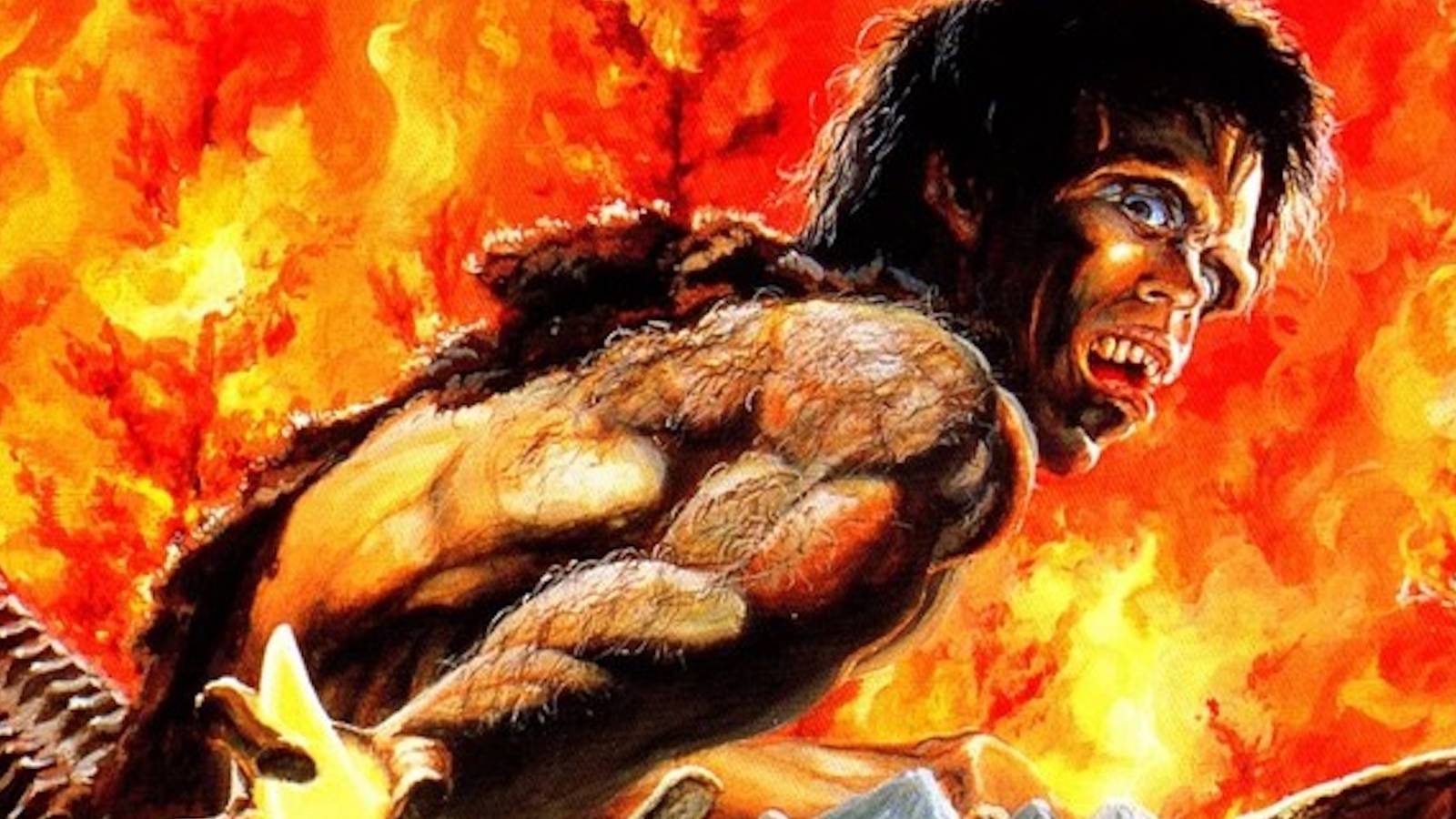
For nearly a century, Mary Shelley's creation has been reanimated on screen, a testament to its enduring power. The core themes—science unchecked, societal rejection, and the search for humanity in a manufactured being—have fueled everything from cinematic masterpieces to B-movie curiosities. The 1965 Japanese offering Frankenstein Conquers the World (also known as Frankenstein vs. Baragon) proudly falls into the latter camp, delivering a gloriously unhinged mash-up of Gothic horror and city-stomping kaiju spectacle.
A Radioactive Origin Story
The film kicks off with a premise only the wildest of imaginations could conjure. In the waning days of World War II, Nazis hand over the still-beating heart of Frankenstein's monster to Japanese allies. Transported to Hiroshima for study, the organ is caught in the city's atomic devastation in 1945. Fast-forward fifteen years, and a feral, rapidly growing boy is discovered scavenging in the rebuilt city. American scientist Dr. James Bowen (Nick Adams) and his colleagues take him in, soon realizing this is no ordinary child—he's building a radical resistance to radiation and needs a massive protein intake to survive his alarming growth spurts.
Suspicion arises that the boy sprouted from that irradiated Frankenstein heart. To test the theory, a morally dubious plan is hatched: sever a limb and see if it regenerates. Before this grim experiment can conclude, the now-giant creature—dubbed Frankenstein—breaks free during a media frenzy, fleeing into the Japanese countryside. The proof is found in a severed, still-living hand, but the plot thickens when a subterranean monster, Baragon, begins terrorizing villages. The military blames the escaped Frankenstein, forcing the misunderstood giant into hiding.
Rubber-Suit Rumble & Atomic-Age Camp
What follows is pure, unadulterated kaiju fun. The film is packed with the charmingly low-budget hallmarks that define the genre's golden age. Miniature boats and submarines that are clearly toys bob in water, the dubbing is wonderfully out of sync, and the creature costumes—worn by legendary suit actor Haruo Nakajima—are endearingly tactile. The climactic battle between the towering Frankenstein and the horned, fire-breathing Baragon is a masterpiece of practical effects and creative destruction, a must-see for fans of classic monster mayhem.
Yet, beneath the glorious cheese, the film makes a surprising effort to honor its literary roots. This Frankenstein, like his predecessors, is an innocent born of humanity's destructive folly. He's captivated by beauty, shown kindness by only a few scientists, and swiftly rejected by a fearful public all too ready to blame the outsider for calamity. His tragic, misunderstood nature shines through the rubber suit, adding a layer of pathos to the popcorn spectacle.
For those who love discovering offbeat cinematic gems, this film is a prime example of the creative, bizarre energy that fueled genre filmmaking in the mid-century. It's the kind of wild ride that makes you appreciate the sheer audacity of filmmakers willing to blend atomic anxiety with a classic monster mythos.
A Legacy That Refused to Die
True to the Frankenstein tradition, the creature's story didn't end with one film. The mutated cells left behind spawned a direct sequel the following year, The War of the Gargantuas, which pits two giant humanoid brothers—one peaceful, one vicious—against each other. This continuation cemented the creature's place in Toho's pantheon, proving that even the most bizarre concepts could have lasting power.
Frankenstein Conquers the World stands as a unique artifact. It's a film where the haunting shadow of Hiroshima gives birth to a giant, where a Gothic horror icon dons a rubber suit to wrestle a dinosaur, and where earnest themes of alienation play out amidst miniature tank battles. It's a testament to the timeless, adaptable nature of Shelley's creation and a delicious slice of 1960s cult cinema that remains as entertainingly bonkers today as it was upon release. For a perfect double feature of classic sci-fi thrills, you could pair it with one of the stellar picks currently streaming.