We've all been there: you settle in for a movie night, the trailer promised something epic, and the first few minutes are a visual feast. But then the plot starts to wobble, the dialogue feels wooden, and you realize you're watching a beautiful train wreck. That's the paradox of the 'bad movie with great effects'—a cinematic unicorn that's technically impressive but narratively bankrupt.
Special effects are like the icing on a cake: they can elevate a good film to greatness, but they can't fix a bad recipe. Some movies, however, manage to nail the icing while forgetting the cake entirely. Here are eight films that, despite their visual prowess, fell short in the storytelling department.
8. 'The Matrix Revolutions' (2003)
The Matrix trilogy is a mixed bag. The first film is a genre-defining classic, and The Matrix Reloaded—while narratively messy—delivers some of the best action sequences in sci-fi history. Then there's The Matrix Revolutions, the finale that left many fans cold. The story feels rushed, the philosophical depth is gone, and the action, while still impressive, lacks the innovation of its predecessors. Yet, on a technical level, the film is a marvel. The visual effects, from the super-powered fights to the epic battle for Zion, are consistently stunning. It's a reminder that even a disappointing sequel can look incredible.
7. 'Pearl Harbor' (2001)
Michael Bay's Pearl Harbor is a textbook example of spectacle over substance. The attack sequence itself is a masterclass in visual effects, blending practical explosions with CGI to create a harrowing, immersive experience. But the film's love triangle and melodramatic script are so clichéd that they undermine the gravity of the real-life event. Compare it to the 1970 film Tora! Tora! Tora!, which used practical effects to tell a more balanced, historically accurate story. Pearl Harbor may look like a million bucks, but it feels like a cheap romance novel.
6. 'Terrifier' (2016)
Damien Leone's Terrifier is a low-budget horror film that became a cult hit thanks to its unrelenting gore and the terrifying Art the Clown. The special effects—mostly practical—are shockingly good for a film made on a shoestring budget. The violence is visceral, creative, and disturbingly realistic. But beyond the blood and guts, there's barely a plot. The film is essentially a series of brutal set-pieces strung together with thin characterizations. It's a testament to the power of practical effects, but also a reminder that even the best gore can't replace a compelling story.
5. 'The Golden Compass' (2007)
Based on Philip Pullman's beloved novel Northern Lights, The Golden Compass had all the ingredients for a fantasy epic: a rich world, a strong heroine, and a talking polar bear. The visual effects, which won an Oscar for Best Visual Effects, are genuinely impressive. The armored bears, the daemons, and the floating dust are rendered with care and imagination. But the film's biggest flaw is its truncated ending, which cuts off the story before the book's climactic and controversial finale. The result is a visually stunning but narratively incomplete film that left audiences and fans frustrated.
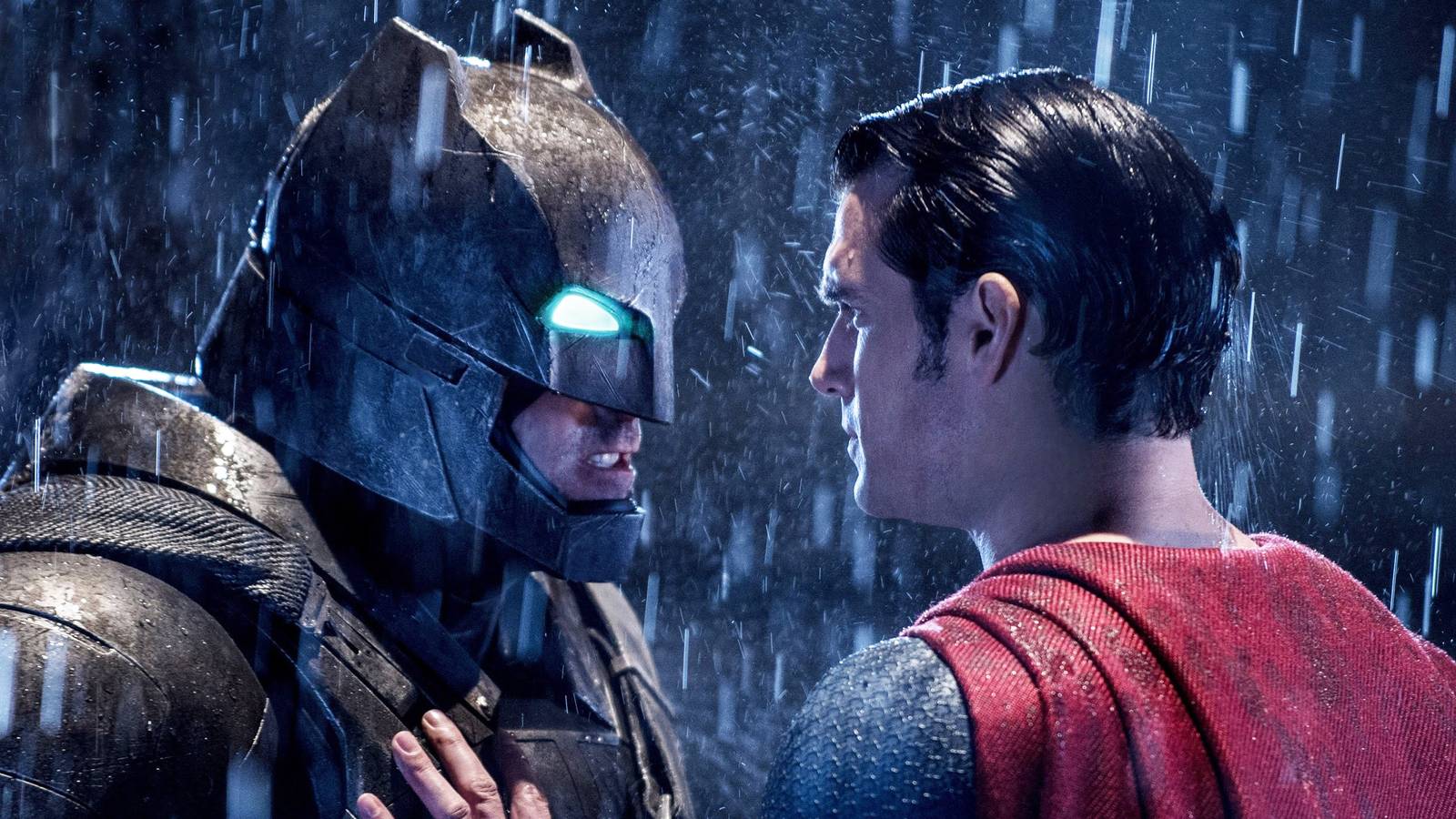
4. 'Batman v Superman: Dawn of Justice' (2016)
Zack Snyder's Batman v Superman: Dawn of Justice is a divisive film, to say the least. Its plot is convoluted, its tone is dour, and its character motivations are often murky. But one thing almost everyone agrees on is that it looks fantastic. The visual effects, from the warehouse fight scene to the final battle with Doomsday, are top-notch. The film's dark, gritty aesthetic is consistent and striking. It's a prime example of a movie that's easier to admire than to love—a technical achievement that fails to connect emotionally.
3. 'The Mummy' (2017)
Tom Cruise's The Mummy was supposed to launch a Dark Universe of monster movies, but it ended up being a critical and commercial disaster. The plot is a mess, the tone is all over the place, and the scares are few. However, the visual effects are undeniably impressive. The sandstorms, the zombie-like warriors, and the resurrection of the mummy herself are all rendered with high-end CGI. It's a shame that such a visually ambitious film was let down by a script that felt like it was written by committee.
2. 'The Cat in the Hat' (2003)
Yes, you read that right. Mike Myers' live-action adaptation of Dr. Seuss's classic is widely considered one of the worst movies ever made. Its humor is crude, its plot is nonsensical, and its performances are over-the-top. But the special effects are surprisingly good for a family comedy from 2003. The Cat's costume, the animated sequences, and the practical sets all hold up well. It's a bizarre case of a film that looks better than it has any right to, given its reputation.
1. 'The Last Airbender' (2010)
M. Night Shyamalan's adaptation of the beloved animated series is a cautionary tale of how not to adapt source material. The film is plagued by poor casting, wooden acting, and a rushed plot that strips away the show's depth and charm. But the visual effects, particularly the bending sequences, are actually quite good. The fire, water, earth, and air effects are fluid and dynamic, and the final battle is visually impressive. It's a shame that the film's many flaws overshadow its technical achievements.
These films prove that even the most dazzling visual effects can't save a bad story. They're a reminder that while we love to be wowed by what's on screen, we need a compelling narrative to keep us invested. So next time you're tempted to watch a movie just for the effects, remember: even the best icing can't make a bad cake taste good.