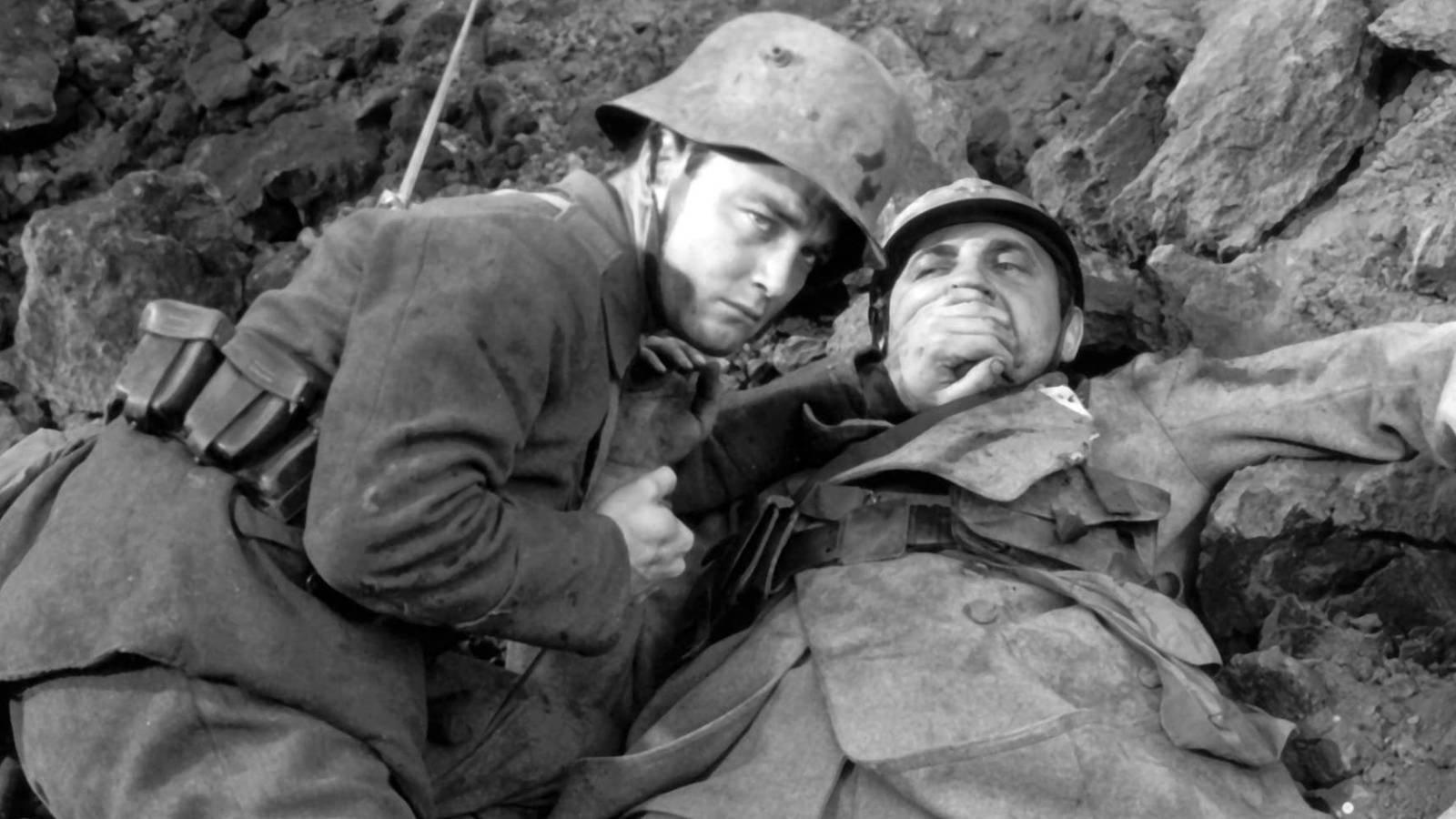
War movies have been a staple of cinema since the early days of film, shaped by the world wars and later conflicts like Vietnam and Iraq. At their best, they serve as powerful anti-war statements, exposing the senseless destruction and moral decay that armed conflict brings. But for all the genre's output, only a handful of films truly commit to showing war as the unvarnished hell it is—without romanticism, without easy heroics, and without looking away.
These three masterpieces demand emotional stamina from viewers, but they reward that endurance with some of the most profound and harrowing cinema ever made. They don't just tell us war is terrible; they make us feel it in our bones.
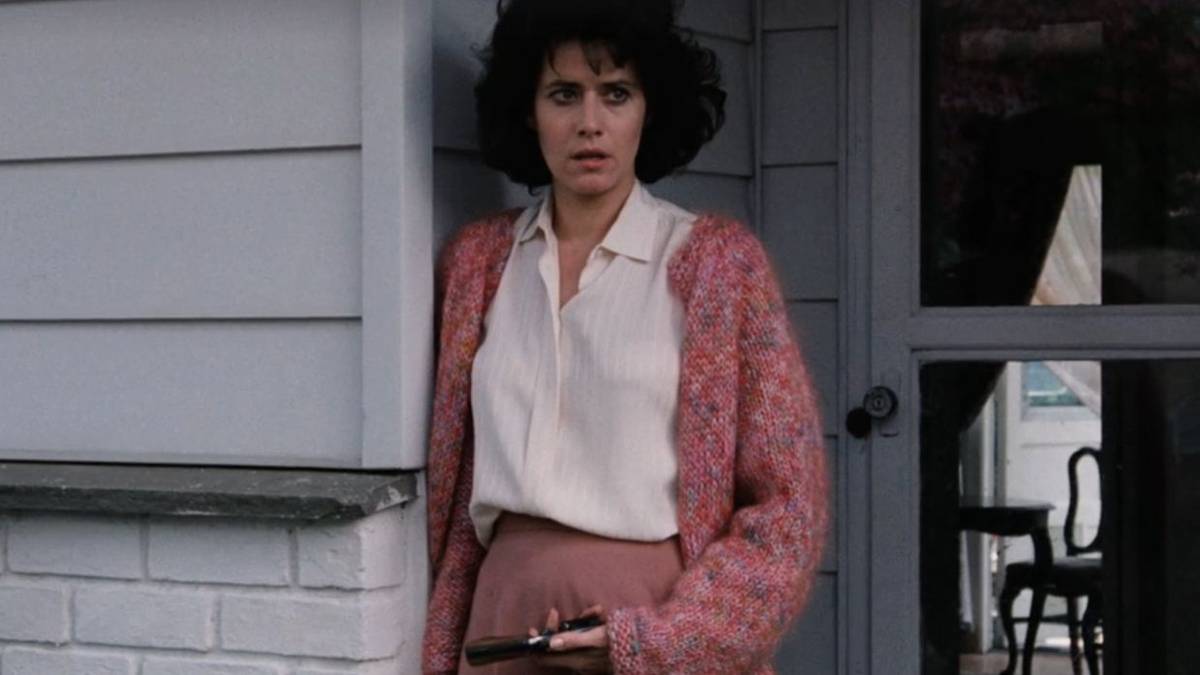
'All Quiet on the Western Front' (1930)
Lewis Milestone's adaptation of Erich Maria Remarque's novel remains a landmark of anti-war filmmaking. It follows a group of German schoolboys who, swept up by patriotic propaganda, enlist in World War I—only to discover the trenches are a nightmare of mud, blood, and shattered ideals. The film's power lies in its unflinching portrayal of how young men are manipulated into sacrificing everything for a cause they barely understand. Lew Ayres delivers a heartbreaking performance as a boy whose idealism is crushed by the machinery of war. Even today, the film's raw depiction of the human spirit breaking under fire is almost too much to bear. The 2022 Netflix version is a worthy companion, updating the story for a new generation.
'Come and See' (1985)
Elem Klimov's Soviet masterpiece is arguably the most brutal war film ever made. It follows Flyora, a young Belarusian boy who joins the partisans during the Nazi occupation, and through his eyes we witness atrocities that blur the line between reality and nightmare. Klimov uses a mix of hyper-realism and surreal, almost hallucinatory imagery to create a deeply disturbing experience. The film shows how war strips away all decency, turning civilians into targets and soldiers into monsters. Aleksei Kravchenko's debut performance is one of the most affecting child performances in cinema history. Come and See is not just a movie; it's an endurance test—but it's also an essential piece of anti-war art.
'Saving Private Ryan' (1998)
Steven Spielberg's epic needs little introduction. Its opening 27-minute depiction of the D-Day landings at Omaha Beach is widely regarded as the most realistic combat sequence ever filmed. The chaos, the fear, the sheer randomness of death—it's all there in brutal, unflinching detail. The story follows Captain Miller (Tom Hanks) and his squad as they risk everything to bring a single soldier home. But the film's true power lies in how it shows the toll war takes on every man involved. Many veterans found the opening too real to watch, and a hotline was even set up for those struggling with the memories. It's a testament to Spielberg's skill that a film so harrowing also manages to be deeply moving.
These three films stand apart because they refuse to soften the truth. They don't use war as a backdrop for a love story or a hero's journey; they make the horror itself the story. For anyone who wants to understand what war really means—and why it must be avoided at all costs—these are essential viewing.