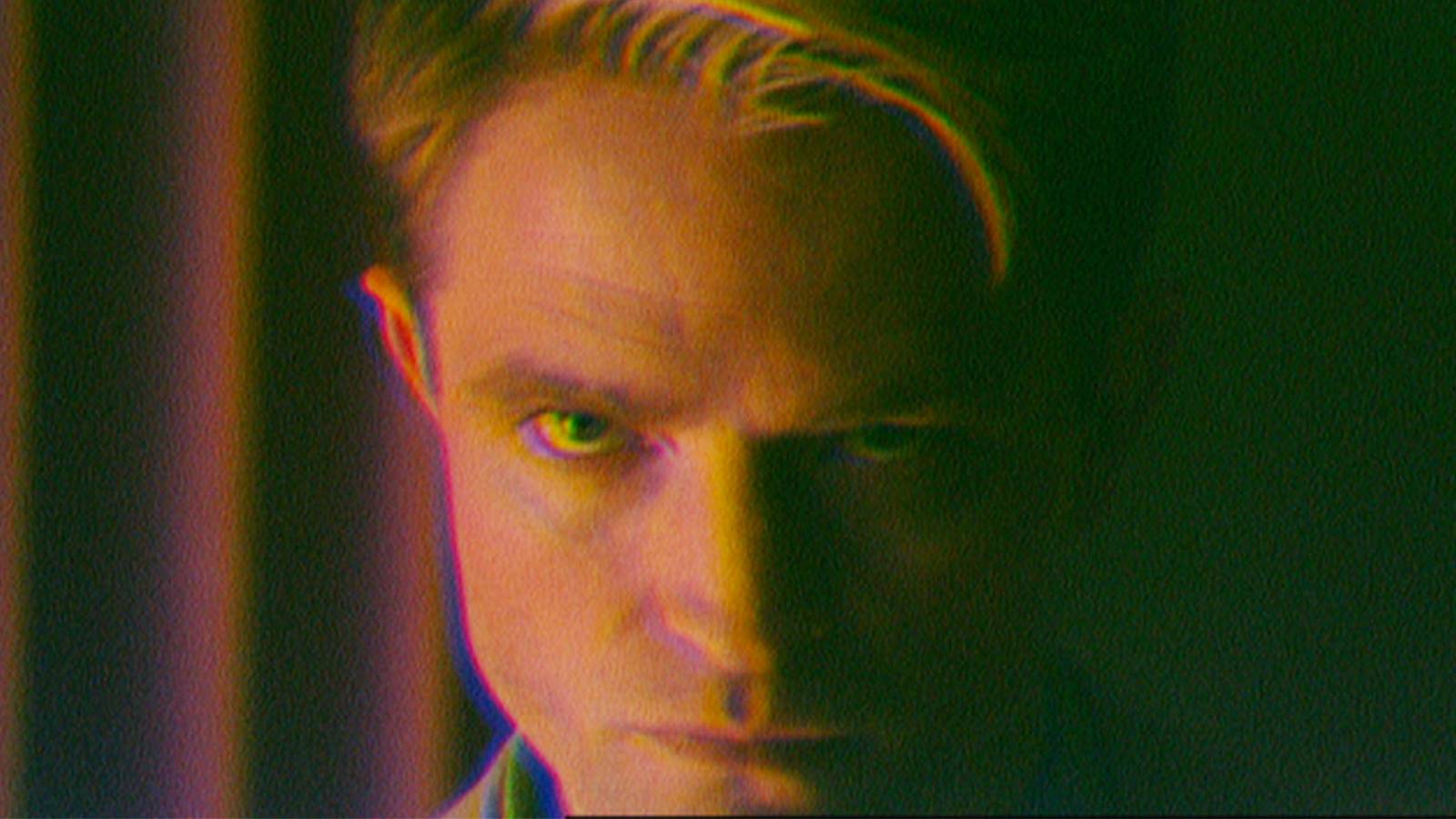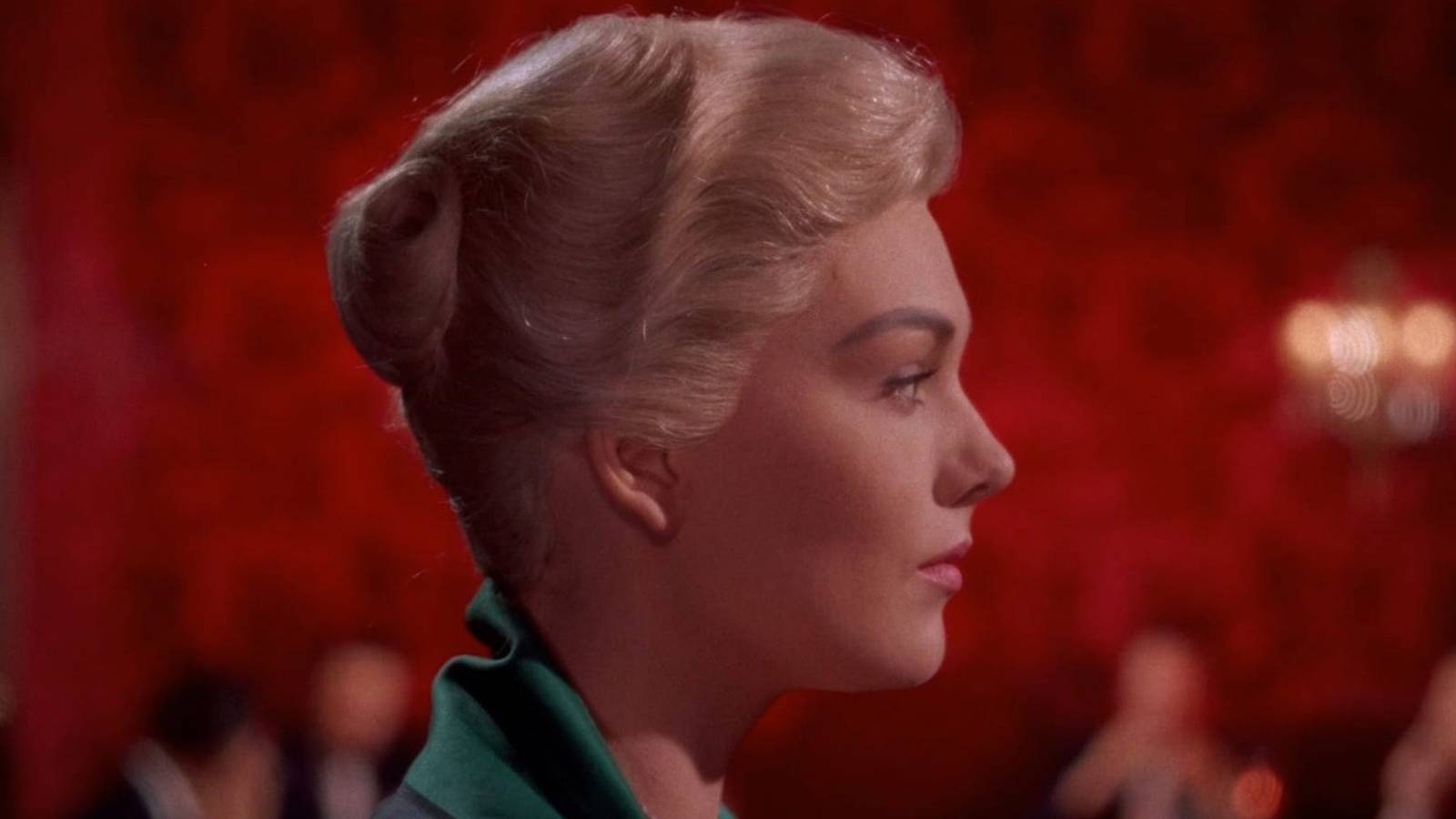
Some films captivate us not with intricate plots or profound messages, but through sheer sensory power. They are experiences defined by their visual language, their rhythm, and the immersive worlds they build, often placing mood and aesthetic far above narrative logic. This collection celebrates those movies—the ones you remember for their look, their feel, and their bold commitment to style as the ultimate substance.
Spring Breakers (2012)
Harmony Korine's polarizing vision presents a sun-drenched, neon-soaked descent into hedonism. Following four college girls who fund their Florida getaway through crime, the film is less a linear story than a pulsating, repetitive trance. It overwhelms with slow-motion sequences, a throbbing electronic score, and imagery that critiques the very excess it depicts. The casting of former Disney stars adds a layer of surreal commentary, making it a disorienting and unforgettable cinematic challenge.

The Great Gatsby (2013)
Baz Luhrmann's adaptation of F. Scott Fitzgerald's novel is a maximalist spectacle that mirrors its protagonist's grand illusions. While the core story of Jay Gatsby's doomed longing remains, the film drowns it in a whirlwind of opulent sets, rapid-fire editing, and an anachronistic soundtrack blending jazz-age flair with modern hip-hop. The result is a dazzling, often overwhelming sensory overload where the spectacle itself becomes the central theme, intentionally overshadowing the characters within its glittering frame.
Koyaanisqatsi (1982)
This groundbreaking non-narrative film communicates entirely through imagery and Philip Glass's iconic score. Without characters or dialogue, it uses time-lapse and slow-motion photography to juxtapose serene natural landscapes with the frenetic, mechanized pulse of modern cities. It transforms ordinary footage into a profound meditation on technology, scale, and a world spinning out of balance, proving that cinema can evoke deep reflection without a single spoken word.
Days of Heaven (1978)
Terrence Malick's pastoral drama features a simple love-triangle plot that serves primarily as a canvas for some of the most breathtaking cinematography ever captured. The film is legendary for its use of 'magic hour' light, painting the Texas Panhandle in ethereal golds and ambers. The visual storytelling is so potent and painterly—earning a well-deserved Oscar—that the human drama feels almost secondary to the awe-inspiring beauty of the natural world and the ingenious techniques used to film it.
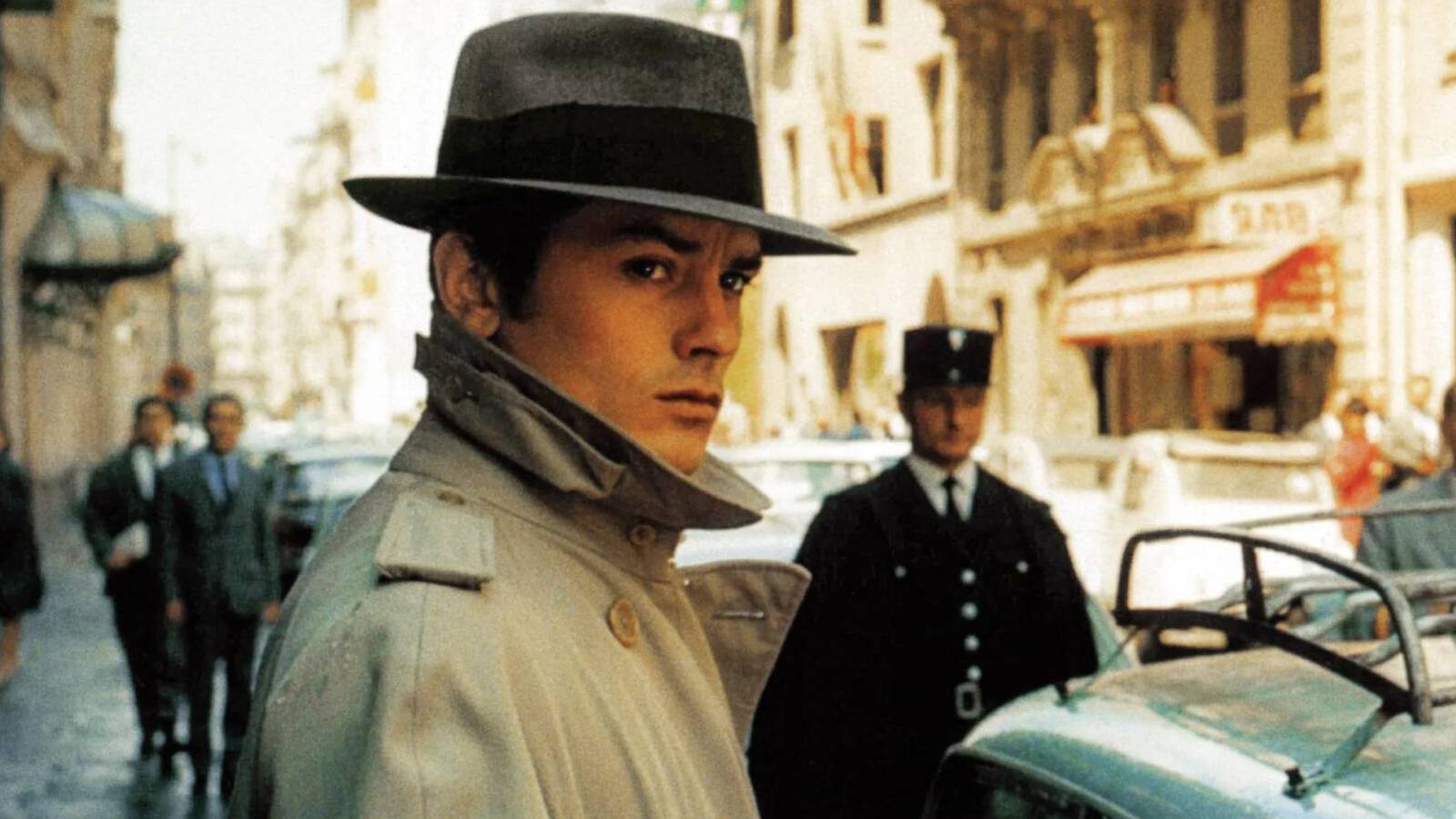
Le Samouraï (1967)
Jean-Pierre Melville's minimalist neo-noir strips the hitman thriller down to its bare, stylish essentials. Alain Delon's iconic performance as the meticulous Jef Costello is defined by silence, routine, and cool detachment. The film's power lies in its controlled atmosphere: every frame is composed with geometric precision, using muted colors and stark lighting to transform Paris into a cold, abstract arena of fate. It's a masterclass in saying more with less, where mood is paramount.
Suspiria (1977)
Dario Argento's horror masterpiece is a symphony of terror conducted with vibrant, unnatural color and a pounding progressive-rock score. The plot—a ballet student uncovering a witch's coven—is merely a vehicle for some of the most stylized, nightmarish imagery in film history. From the iconic blood-red interiors to the surreal, painterly death sequences, Suspiria prioritizes visceral, atmospheric dread over narrative coherence, creating a lasting legacy in the realm of stylish horror.
These films remind us that cinema is an audio-visual art form first. They may frustrate viewers seeking tight plots, but for those willing to surrender to their rhythm, they offer uniquely potent and immersive experiences. Their legacy is built on the bold choice to let image, sound, and feeling lead the way, proving that sometimes the most powerful stories are told without words.