In the summer of 2017, Luc Besson unleashed his most audacious project yet: a sprawling, visually dazzling space opera that had been simmering in his imagination for decades. Valerian and the City of a Thousand Planets was a passion project years in the making, adapted from the classic French comic series Valérian and Laureline. Besson poured his heart—and a staggering $205 million of independent financing—into bringing this universe to life. The result? A box-office catastrophe that has since found a second life on streaming. But if you haven't seen it yet, you're running out of time: the film is set to leave HBO Max on September 1, 2026.
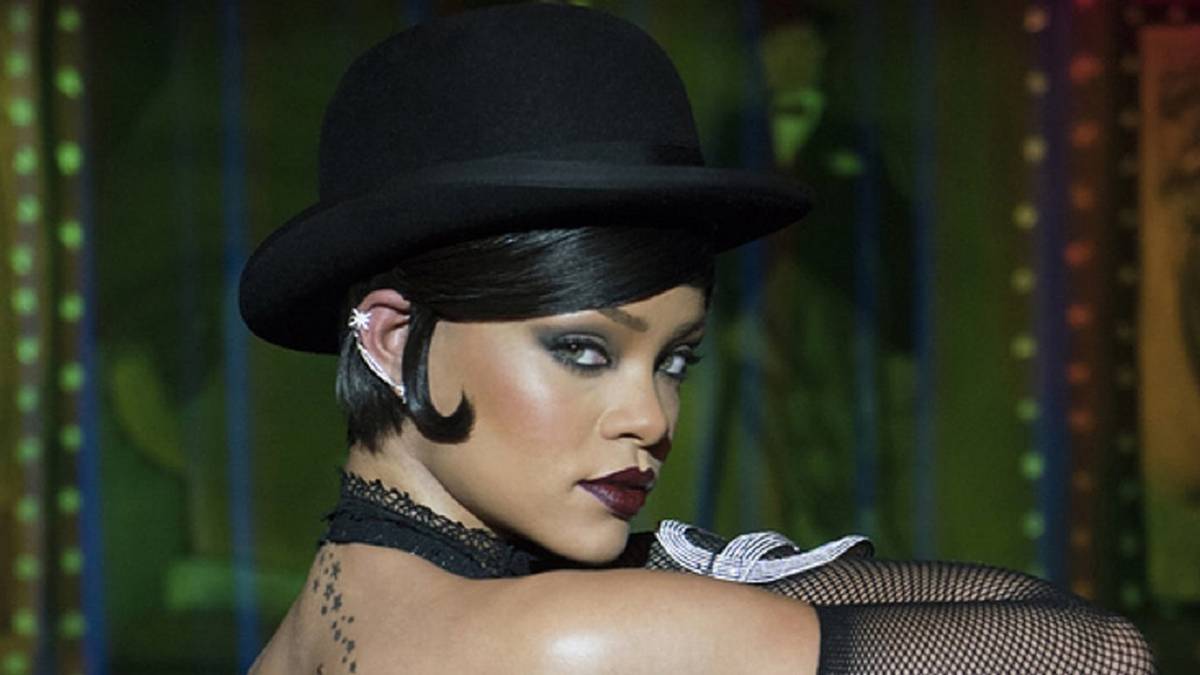
For those who missed the theatrical run, Valerian stars Dane DeHaan and Cara Delevingne as the titular time-traveling agents, with Clive Owen and Rihanna in supporting roles. The plot follows the duo as they investigate a mysterious threat in the sprawling metropolis of Alpha, a city that houses thousands of species from across the galaxy. It's a premise ripe for the kind of imaginative world-building Besson excels at, and the film delivers on that front—even if the narrative sometimes gets lost in the cosmic shuffle.
Critics were divided. The film currently holds a 47% approval rating on Rotten Tomatoes, with the consensus noting that its "sheer kinetic energy and visual thrills" help it "overcome narrative obstacles." Audiences were similarly split, but there's no denying the sheer spectacle on display. From the opening sequence—a poignant montage showing humanity's first contact with alien species—to the vibrant, chaotic streets of Alpha, Valerian is a feast for the eyes.
Financially, however, it was a disaster. Despite grossing $225 million worldwide, the film needed to earn at least $400 million just to break even, given its massive budget and marketing costs. Domestically, it earned a paltry $40 million, largely due to opening opposite Christopher Nolan's Dunkirk. That timing couldn't have been worse, and the film quickly became a cautionary tale about the risks of big-budget independent filmmaking.
Besson's career had been on an upward trajectory after the surprise hit Lucy, which grossed $470 million globally in 2014. But Valerian was a different beast entirely. It was the most expensive independent film ever made, and its failure sent shockwaves through the industry. Besson's subsequent projects, including the recent Dracula starring Caleb Landry Jones and Christoph Waltz, have struggled to recapture that early magic, though Dracula has found a modest audience on digital platforms.
Despite its flaws, Valerian has earned a cult following over the years. Fans appreciate its ambitious scope and the sheer audacity of its vision. It's a film that wears its influences on its sleeve—think Blade Runner meets The Adventures of Tintin—and offers a brand of unapologetic, escapist sci-fi that's increasingly rare in today's franchise-driven landscape.
If you're a fan of visually inventive science fiction, or just curious about one of the most infamous box-office bombs of the decade, now is the time to check it out. Valerian and the City of a Thousand Planets will be leaving HBO Max on September 1, 2026. After that, you'll have to hunt it down on other platforms—or hope it resurfaces elsewhere. For more on what's leaving and staying on your favorite streaming services, keep an eye on our coverage of streaming's ever-shifting library.
In the meantime, if you're in the mood for more sci-fi adventures, check out our top adventure games or our fantasy game rankings for a dose of escapism. And if you're curious about what's next for HBO's DC universe, we've got the latest on scrapped projects that might surprise you.