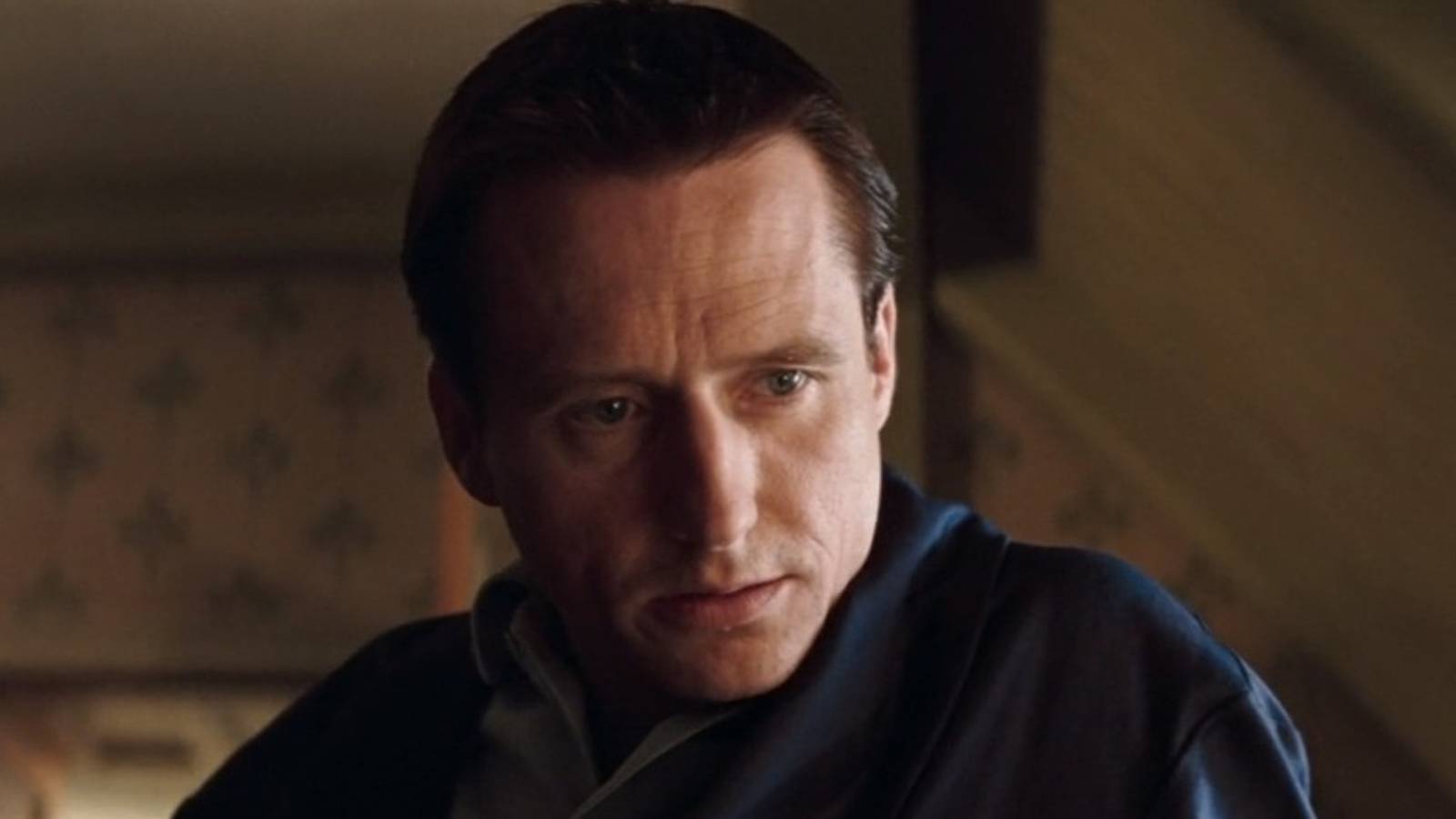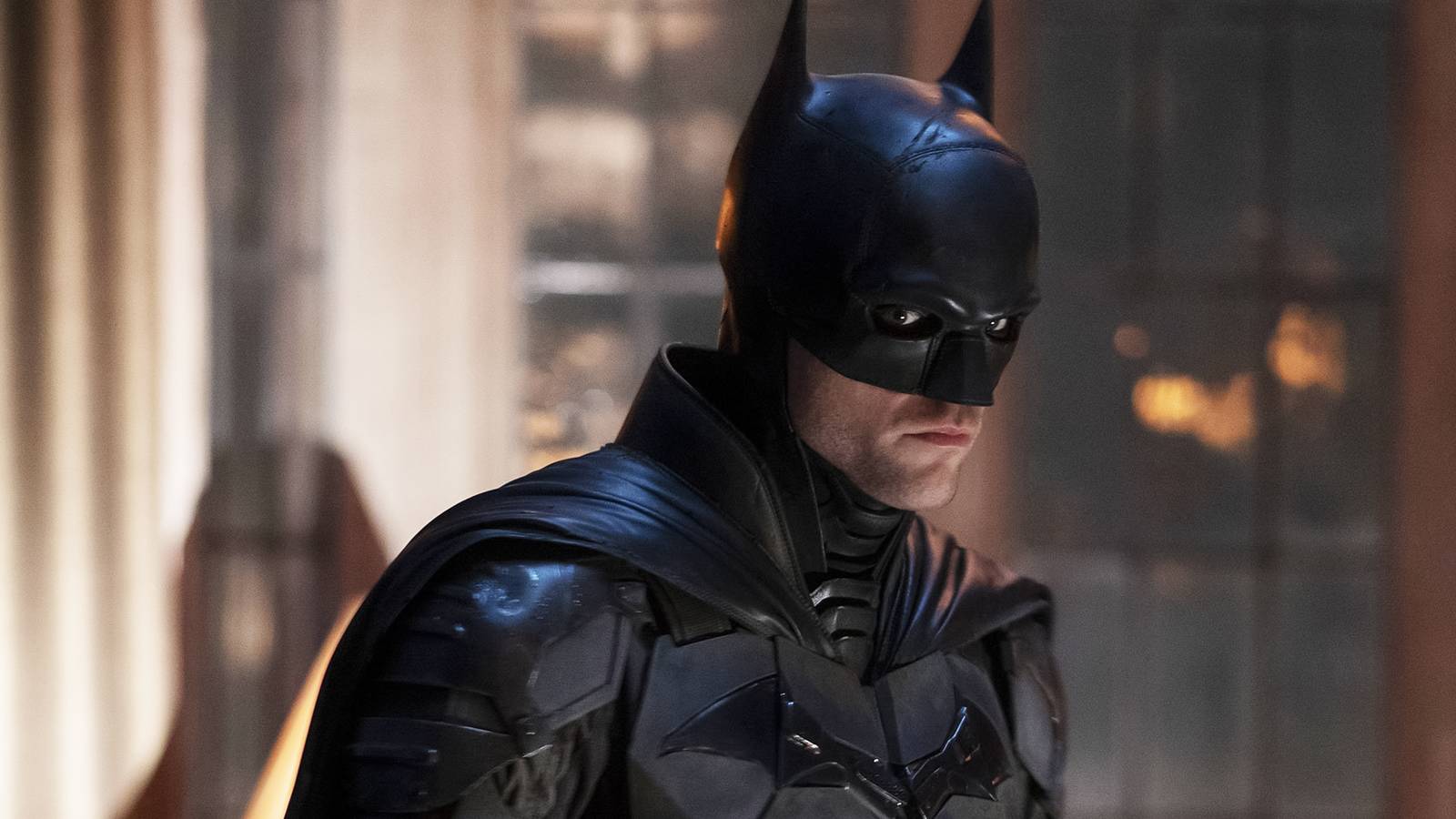
When Val Kilmer passed away in 2025 at age 65 after a battle with throat cancer, fans mourned a truly unique talent. From his iconic turn as Doc Holliday in Tombstone to his brooding intensity in Heat and his scene-stealing cameo in Top Gun: Maverick, Kilmer left an indelible mark on cinema. But now, a new film called As Deep as the Grave is attempting to bring him back—not through archival footage or a body double, but through generative AI. And it feels like the worst possible way to honor his legacy.
The AI Resurrection of Val Kilmer
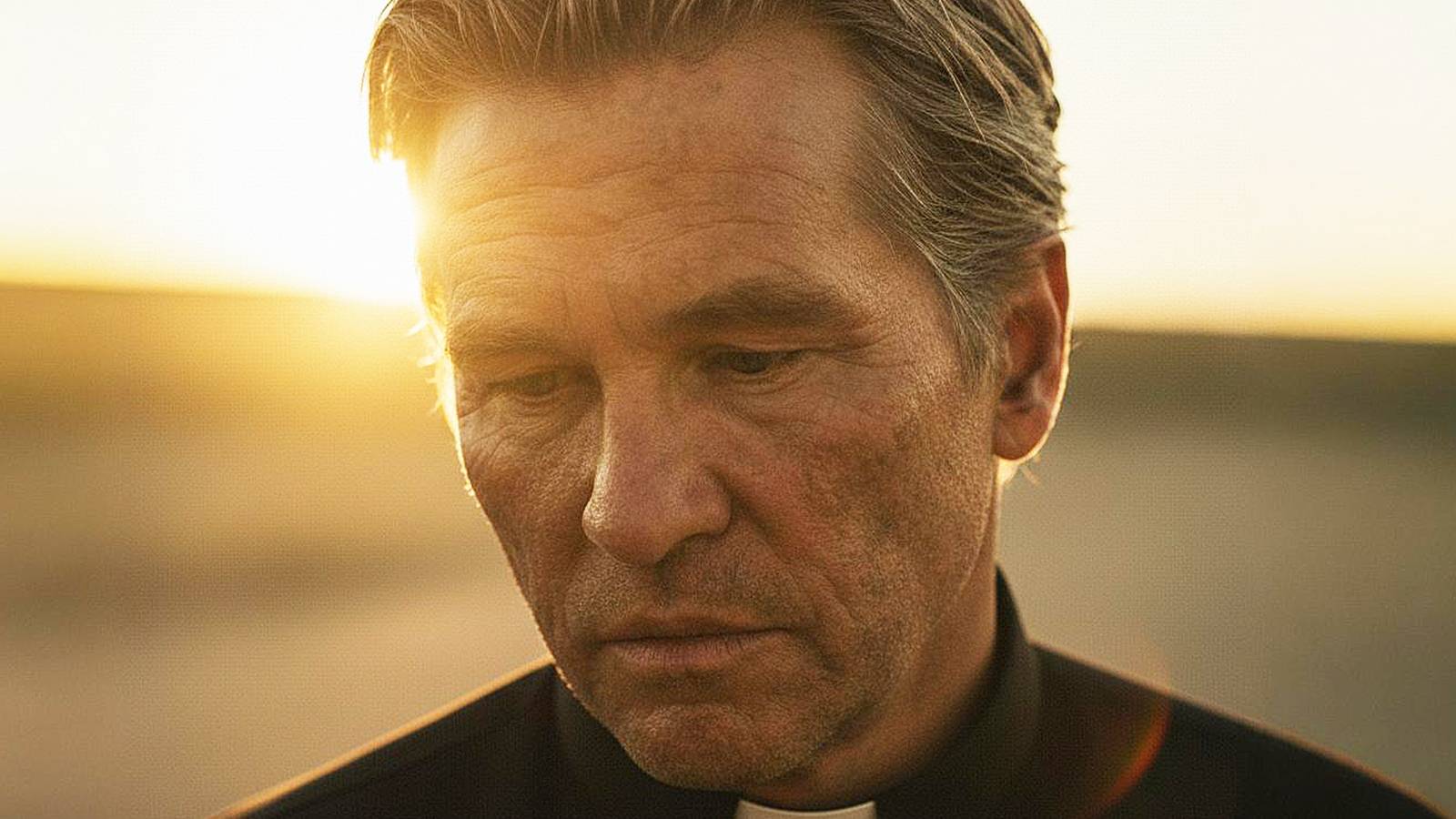
As Deep as the Grave tells the true story of archaeologists Ann and Earl Morris (played by Abigail Lawrie and Tom Felton), who explored the history of the Navajo people in Canyon de Chelly, Arizona. Kilmer was originally cast as Father Fintan, a Catholic priest and Native American spiritualist, but his declining health prevented him from filming a single scene. Rather than recast the role, writer-director Coerte Voorhees turned to AI, creating the first-ever movie performance generated entirely by artificial intelligence.
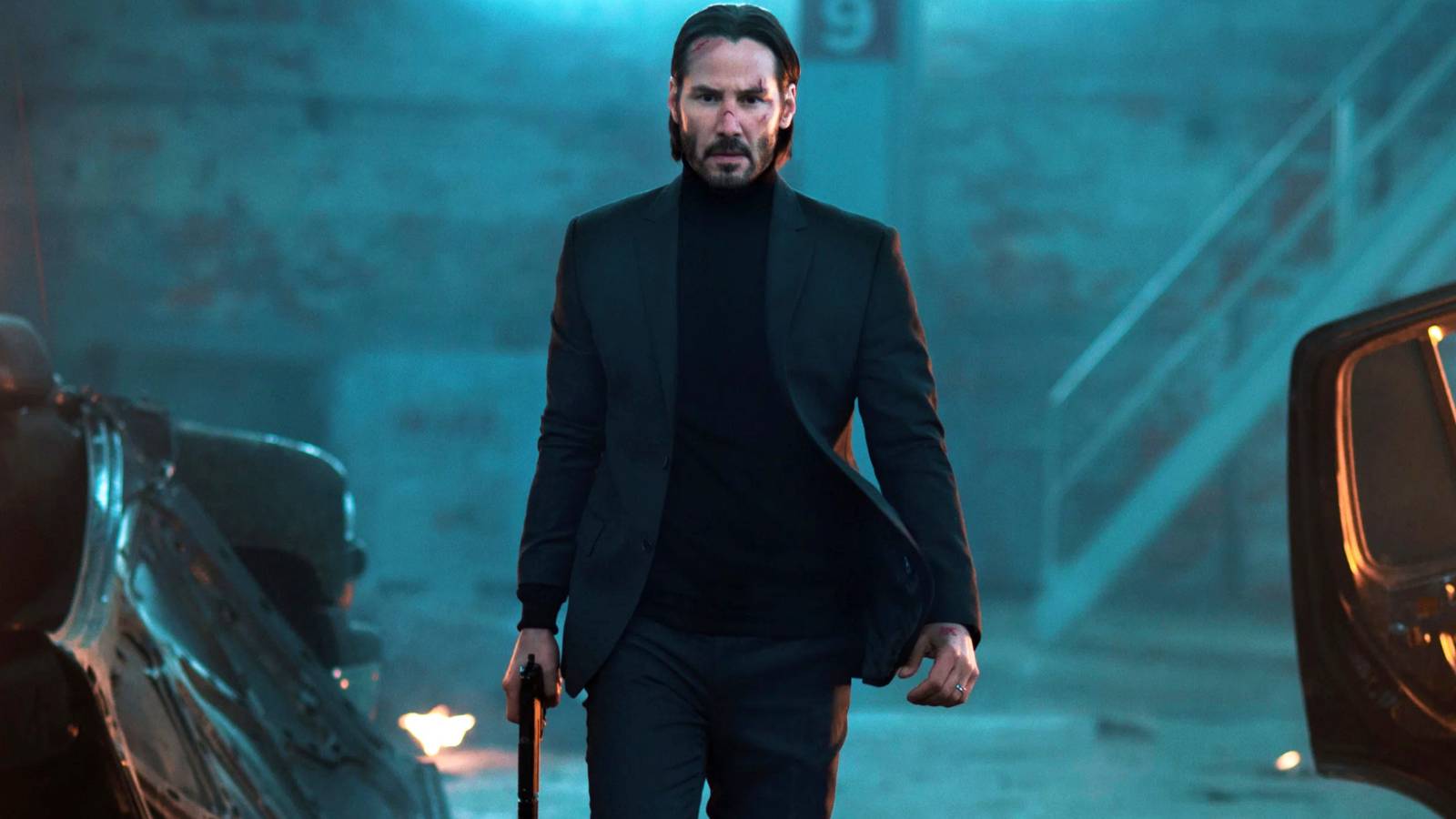
Kilmer's daughter, Mercedes, gave her blessing, stating that her father was "a deeply spiritual man" who would have embraced the technology as a way to expand storytelling. The production also adhered to SAG/AFTRA guidelines. But even with family approval, the decision sets a troubling precedent for Hollywood.
Why AI Can't Replace Val Kilmer
No matter how sophisticated the algorithms, an AI Val Kilmer will never be the real thing. Kilmer was known for his improvisational genius—think of his ad-libbed lines in Tombstone or his spontaneous moments in Top Gun. AI cannot replicate that spark, that unpredictable chemistry between actors that makes a scene come alive. As Val Kilmer's 'I'm Your Huckleberry' remains the ultimate Western mic drop, it's a reminder that his magic was in the moment, not in a database.
Furthermore, the film finds itself in a no-win situation. If the AI Kilmer fails, it becomes a cautionary tale. If it succeeds, the conversation will center on the technology rather than the actor's performance—ironically erasing the very person they're trying to honor. Unlike James Earl Jones, who allowed his archival voice to continue as Darth Vader—a character he'd voiced for decades—Kilmer's AI is playing a brand-new role he never performed. It's a hollow imitation, not a tribute.
A Slippery Slope for Hollywood
This isn't just about one film. As Deep as the Grave could open the floodgates for studios to digitally resurrect deceased actors for new roles, bypassing the need for living performers. While some may see it as a way to preserve legacies, it risks devaluing the very craft of acting. Kilmer's last on-screen appearance in Top Gun: Maverick was a fitting farewell—a genuine, emotional moment that celebrated his career. This AI experiment feels like a step backward.
As the entertainment industry grapples with the ethics of AI, As Deep as the Grave serves as a cautionary tale. For those who loved Val Kilmer, the best way to remember him is to revisit his classic films, not to watch a digital ghost go through the motions.