Vampire movies have a unique power: they can be terrifying, romantic, funny, or heartbreaking—sometimes all at once. The best ones don't treat the vampire as a gimmick but as a pressure point for deeper themes like hunger, seduction, loneliness, and the curse of immortality. These films understand that the bite is never just physical—it's desire, power, grief, or corruption entering a life and changing it forever. Here are the most universally beloved vampire movies of all time, ranked.
7. 'Interview with the Vampire' (1994)
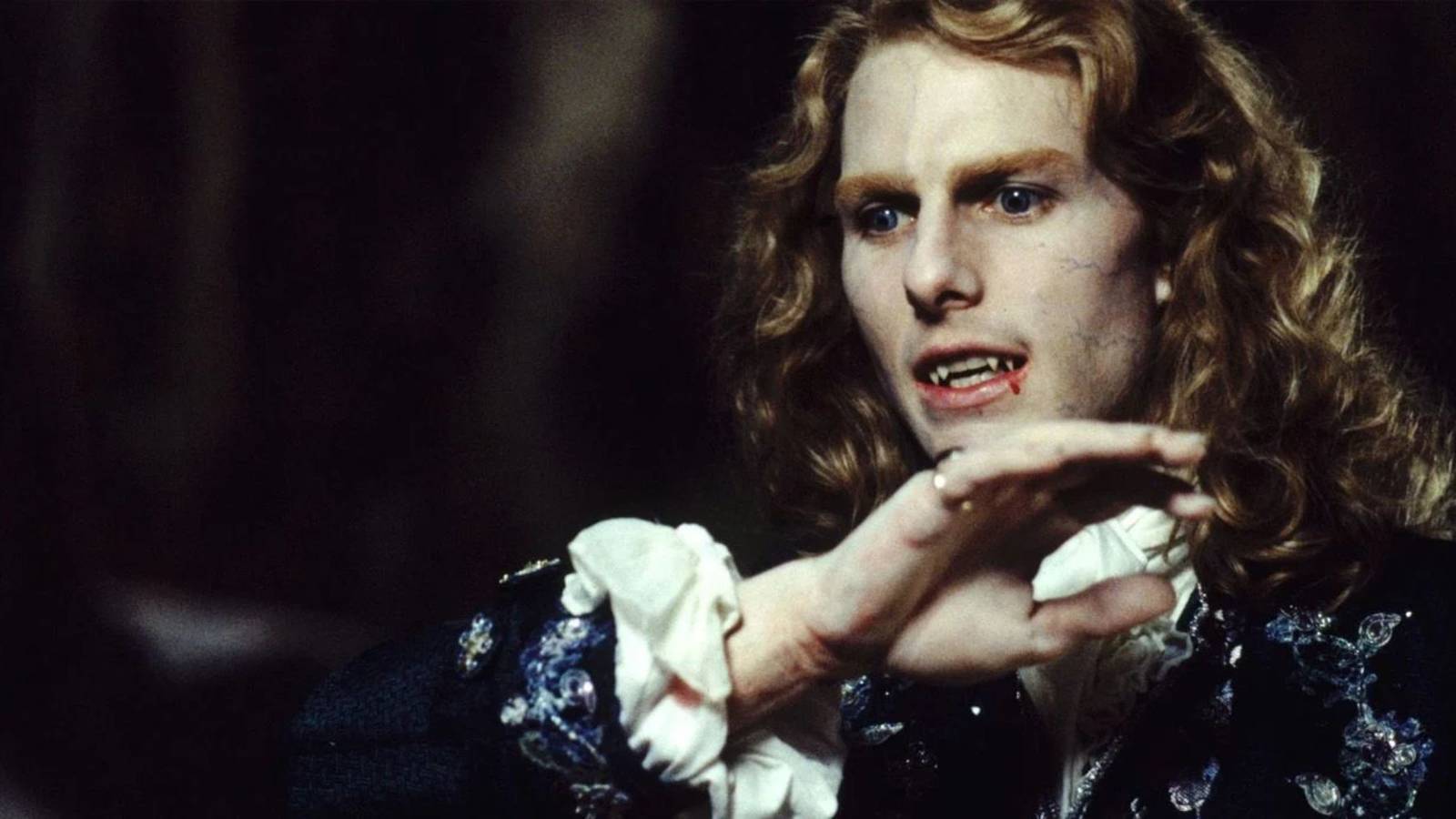
Based on Anne Rice's novel, this film refuses to take the easy monster route. Louis (Brad Pitt) becomes a vampire after losing his will to live, turning his transformation into a bad emotional decision born from grief. Lestat (Tom Cruise) offers him release from pain but chains him to an appetite Louis can't bear without self-loathing. The tension between wanting the heightened existence and recoiling from its cruelty drives the entire story. Then Claudia (Kirsten Dunst) enters, making everything more disturbing—a child's body trapped with adult hunger and intelligence, unable to grow into a livable future. The film becomes a warped family drama about dependency, jealousy, and centuries of resentment. For more on the franchise's evolution, check out AMC's 'Interview with the Vampire' Transforms into 'The Vampire Lestat' for a Rock & Roll Season 3.
6. 'Blade' (1998)
Blade cuts through centuries of gothic gloom and drops the vampire into urban warfare. From the opening blood-rave sequence, the movie is fast, vicious, stylish, and convinced that vampires are a predatory underworld hiding in plain sight. Wesley Snipes plays Blade as a nightmare built specifically for them—a half-vampire who uses his strength to hunt his own kind. His existence is built on tension: he has vampire power but the discipline of someone refusing to become one. Whistler's serum is a daily reminder that self-control is a medical emergency. Deacon Frost (Stephen Dorff) pushes the story beyond good vs. evil, representing a modern, impatient vampire who wants to turn species resentment into open domination. Under the leather and martial arts lies a story about identity weaponized into purpose.
5. 'Bram Stoker's Dracula' (1992)
Francis Ford Coppola's adaptation treats Dracula (Gary Oldman) as infection, seduction, spectacle, and erotic catastrophe all at once. The opening gives him a wound big enough to carry the whole movie: love collapses into blasphemy, grief becomes rage against God, and immortality is born from spiritual rupture. Lucy's arc shows the film at its most dangerous—her flirtation and sleepwalking turn Victorian decorum into a thin curtain over panic and appetite. Mina (Winona Ryder) becomes the deeper battleground, as her connection to Dracula mixes genuine recognition with horror at what it costs. The film doesn't frame her as a passive damsel but suggests some part of her is being addressed by him. By the end, the movie becomes a lush argument about how love and corruption can start using each other's language until nobody can separate the two.
4. 'What We Do in the Shadows' (2014)
Taika Waititi and Jemaine Clement's mockumentary keeps getting funnier because it understands that immortality wouldn't erase pettiness—it would preserve it. The film follows Viago, Vladislav, Deacon, and Petyr as impossible roommates whose centuries of accumulated vanity and passive-aggression have curdled into domestic farce. The argument over dishes lands because even creatures of the night can live like irritating flatmates. Nick's transformation adds that wonderfully embarrassing phase where a newly turned vampire behaves like someone who got into one cool subculture and won't stop talking about it. The humor never lets up, proving that vampire movies can be just as beloved for their laughs as for their scares.
3. 'The Lost Boys' (1987)
This film blends teen angst with vampire horror in a way that still resonates. The Frog brothers' comic-book wisdom and the saxophone-playing vampire on the boardwalk have become iconic. The movie captures the thrill of rebellion and the terror of losing yourself to darkness, all set to a killer soundtrack. It's a cult classic that balances style, humor, and genuine chills, making it a favorite for generations.
2. 'Near Dark' (1987)
Kathryn Bigelow's western-horror hybrid is a lean, mean vampire movie that focuses on a nomadic family of bloodsuckers. The film strips away the romance and glamour, leaving raw hunger and desperation. The scene where a vampire is burned by sunlight is unforgettable. It's a gritty, atmospheric gem that proves vampire stories can be as much about survival as seduction.
1. 'Let the Right One In' (2008)
This Swedish masterpiece is the most emotionally devastating vampire film ever made. It tells the story of a bullied boy who befriends a mysterious girl—who happens to be a vampire. The film explores loneliness, friendship, and the cost of immortality with haunting beauty. The pool scene is one of the most shocking and satisfying moments in horror history. It's a reminder that the best vampire movies use the supernatural to illuminate the human condition.
These films have earned their place in pop culture because they understand that the bite is never just physical. Whether through gothic romance, urban action, or deadpan comedy, they keep pressing the nerve of what it means to be hungry, lonely, and immortal. For more rankings of unforgettable cinematic moments, check out The Most Bone-Chilling Final Shots in Horror Movie History, Ranked and Why These Mystery Movies Are Even Better on a Second Watch.