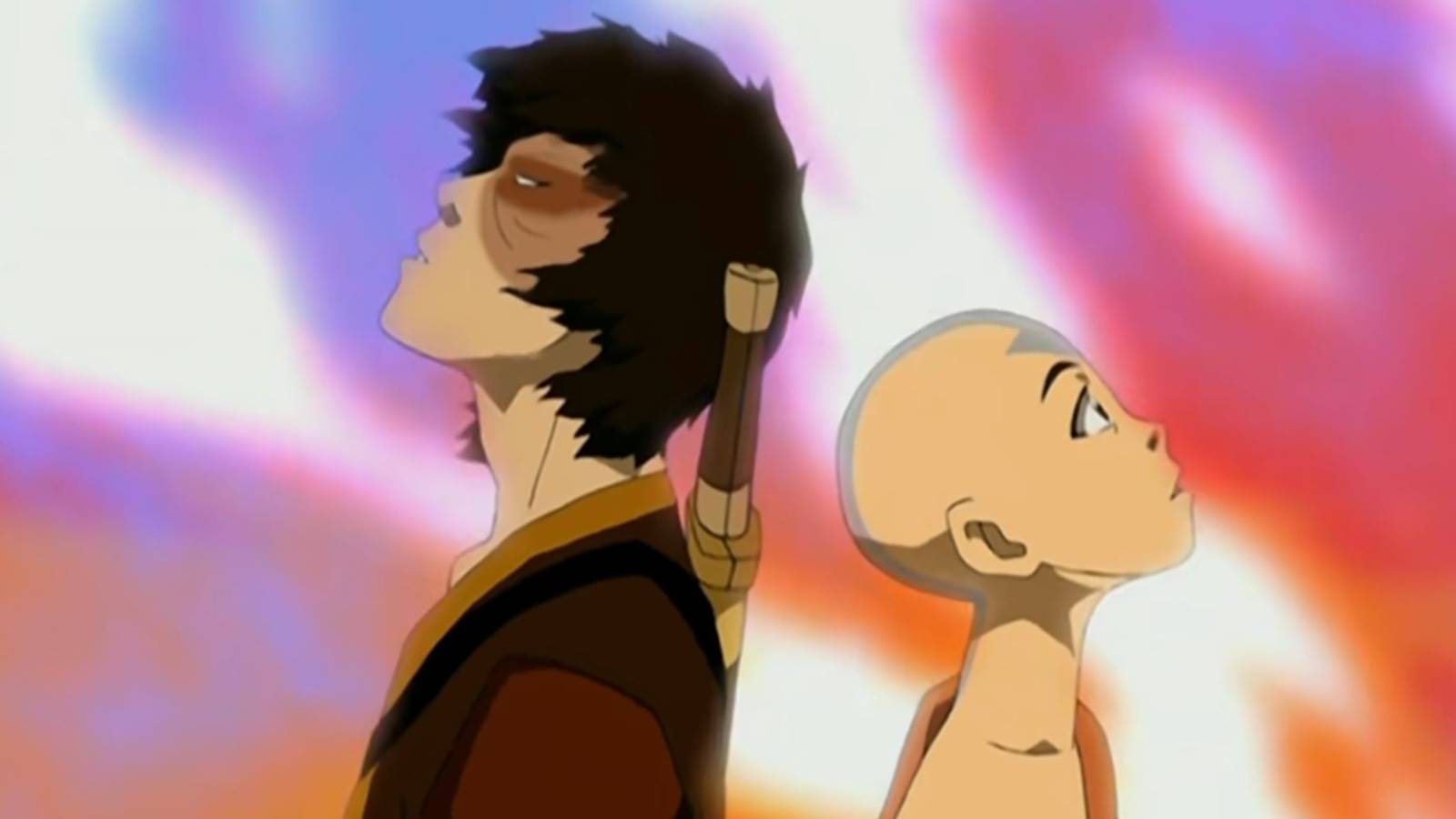
Twenty years after Avatar: The Last Airbender first aired, fans still argue over the best episode, the most satisfying redemption arc, and whether the show qualifies as anime. But one thing is settled: the series' greatest line belongs to Uncle Iroh. In Book Two's "Lake Laogai," the wise old mentor looks at his nephew Zuko and asks two deceptively simple questions: "Who are you? And what do you want?"
That moment has become legendary. It's not because of memes or viral screenshots—it's because those two questions capture the entire soul of the show. No other line in the series, or arguably in all of animation, better distills what Avatar: The Last Airbender is truly about. And two decades later, it still hits harder than any CGI spectacle or live-action remake.
The Scene That Defined Zuko's Journey
The moment comes late in "Lake Laogai," when Zuko is about to steal Appa and continue his obsessive hunt for the Avatar. He's spent years trying to regain the honor his father Ozai stripped away, convinced that capturing Aang will finally give him the life he deserves. But Iroh sees what his nephew can't.
"Is it your destiny? Or a destiny someone else has chosen for you?" Iroh asks, before delivering the line that has stayed with viewers for two decades. What makes this scene unforgettable is the desperation in Iroh's voice. He's not offering casual advice—he's pleading with someone he loves to stop making a terrible mistake. Through most of the series, Iroh is patient and calm, but here, his patience cracks. He's a man trying to save his nephew from a path of self-destruction.
Why Zuko's Ignorance Makes the Quote Stronger
Part of what makes the quote so brilliant is that Zuko ignores it. He lashes out at Iroh and insists he must continue down his chosen path. Eventually, he gets everything he thought he wanted: his honor restored, a welcome back to the Fire Nation, his father's praise. For a brief moment, it seems like Zuko has finally won. Instead, he's miserable.
Looking back, "Who are you? And what do you want?" becomes the question that defines the rest of his story. Zuko's redemption arc isn't just about switching sides—it's about discovering that the destiny he chased for years was never truly his. By the time he joins Team Avatar, the audience already knows the answer to Iroh's question; Zuko simply needed time to learn it himself. The second half of Avatar: The Last Airbender essentially becomes a long answer to that single question.
Iroh Earned the Right to Ask
What separates Iroh from countless fictional mentors is that he didn't arrive at wisdom by accident. Before becoming the owner of the Jasmine Dragon and everyone's favorite tea enthusiast, he spent years pursuing power. He was a decorated general, heir to the Fire Nation throne, and a man who once embraced the same expectations that consumed his brother.
It took the death of his son for Iroh to reevaluate his life and abandon the expectations placed on him. He learned that peace and compassion were far more important than conquest. In many ways, Iroh had already resolved these questions in his own mind. His words to Zuko carry so much weight because he doesn't preach from a place of moral superiority—he speaks as someone who has made mistakes, endured suffering, and gained wisdom from those experiences.
Why It Still Resonates 20 Years Later
Great quotes outlive the stories they come from. Twenty years later, viewers still return to Iroh's words because the questions themselves never stop being relevant. Careers, family expectations, and the pressure to seek validation from others can make it surprisingly easy to lose sight of what we actually want. Iroh cuts through all of that with remarkable clarity. Few lines on television are as simple, but even fewer are as profound.
Uncle Iroh's plea still lands like a lightning strike two decades later. Perhaps that's the ultimate reason the original series remains untouchable—no amount of CGI or big-budget remakes can replicate the emotional truth of that moment. For fans still waiting for Netflix's 'Avatar: The Last Airbender' Season 2, it's a reminder that the original's heart is irreplaceable.