Some of the most gripping crime stories ever put on screen didn't start in a writer's room—they began on the page. From sprawling mafia sagas to tight, twisty neo-noirs, the best crime movies often owe their depth and complexity to the novels that inspired them. But which adaptations truly rise to the top? We've ranked the greatest crime movies based on books, using critical consensus, audience scores, and lasting influence to crown the cream of the crop.
The Gold Standard of Crime Adaptations
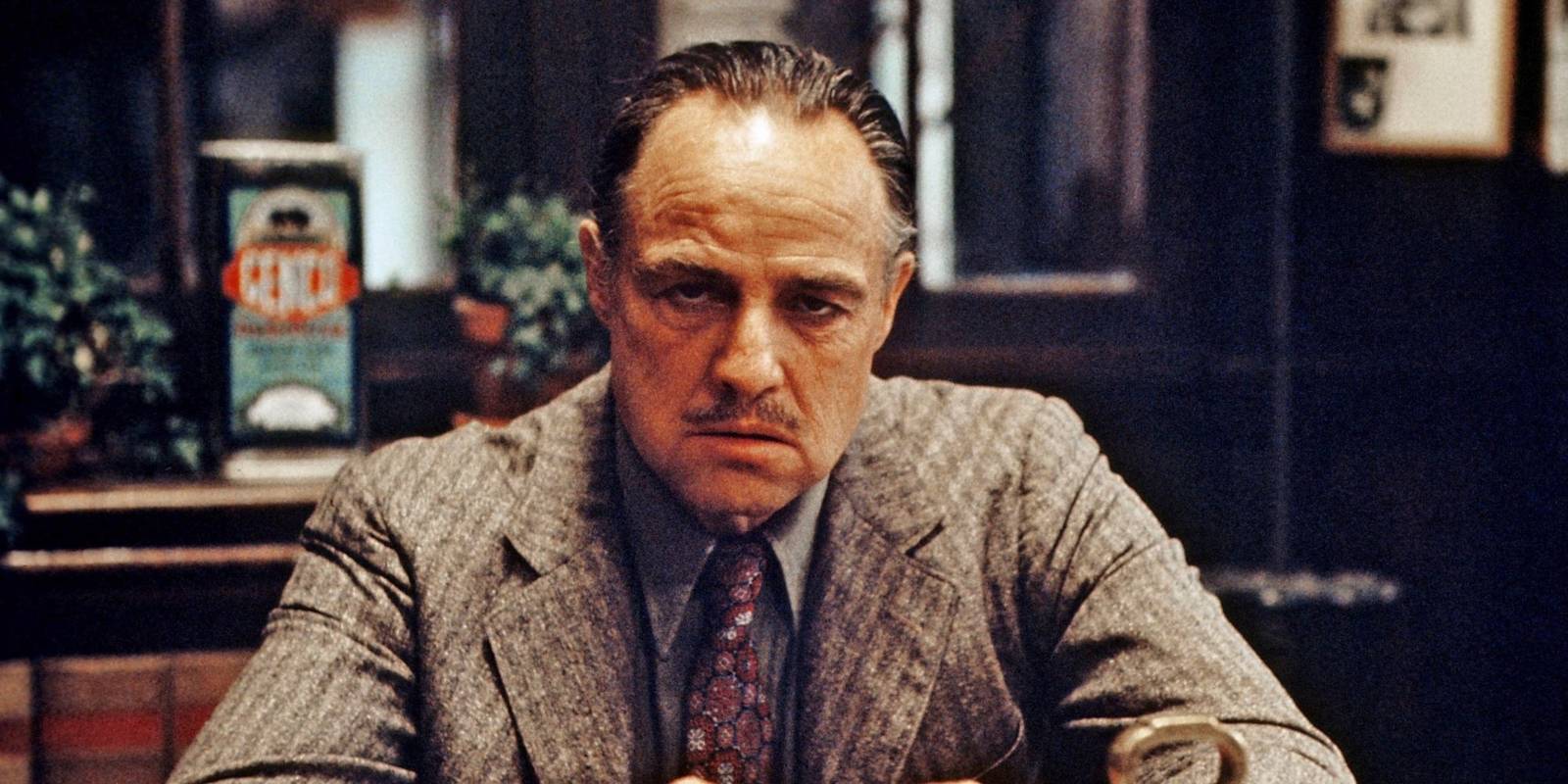
At the pinnacle sits The Godfather (1972), Francis Ford Coppola's masterful take on Mario Puzo's bestseller. It's not just a crime film—it's a cultural touchstone, with a 99% on Rotten Tomatoes and a permanent spot on nearly every 'greatest films' list. The Corleone family's rise and fall remains the benchmark for how to translate literary heft to cinematic grandeur.

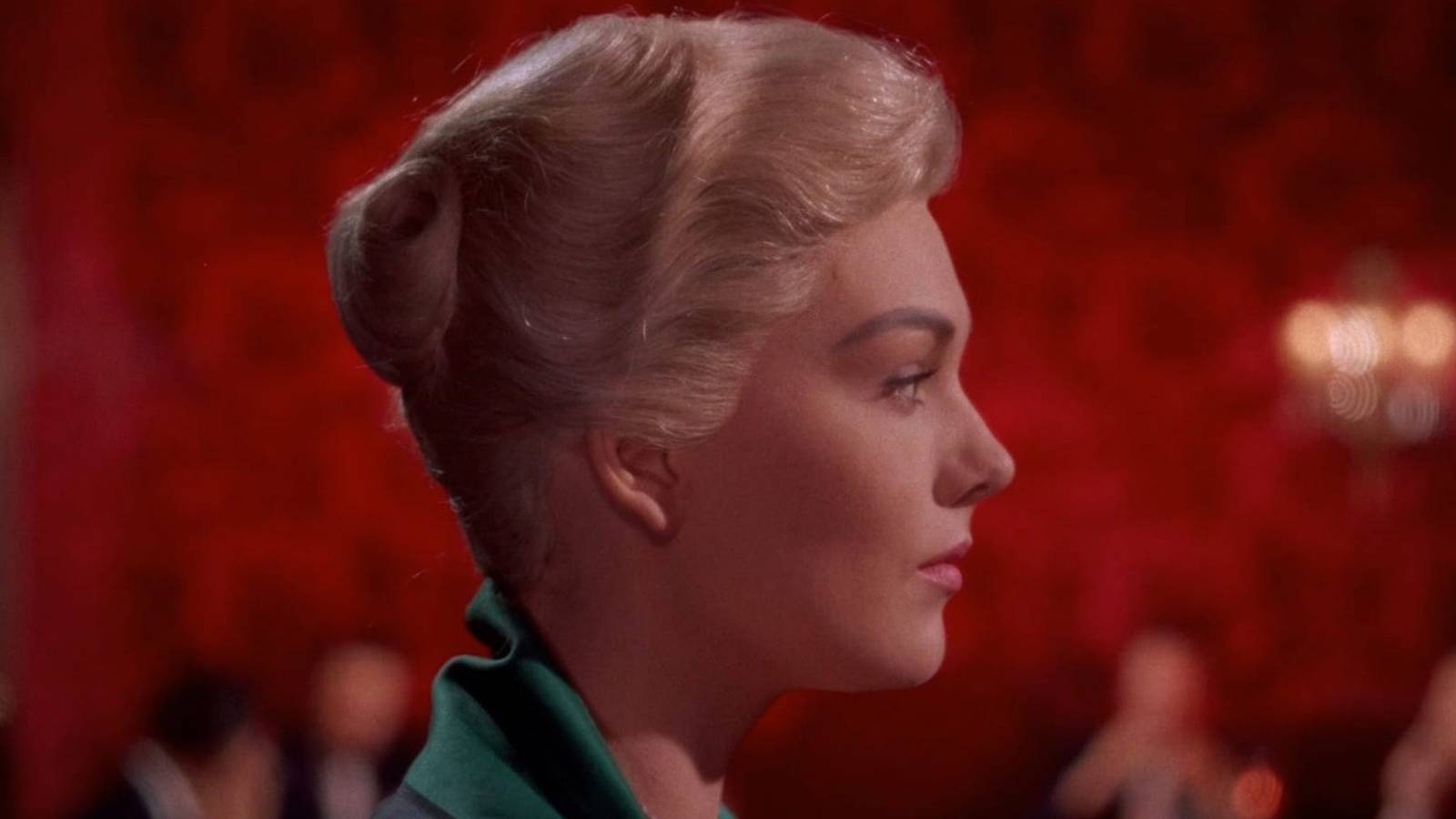
Close behind is L.A. Confidential (1997), Curtis Hanson's dazzling adaptation of James Ellroy's dense novel. With a 99% critics' score, it weaves multiple storylines into a seamless tapestry of corruption and ambition in 1950s Los Angeles. The film proves that even the most intricate plots can thrive on screen when handled with care.
Quentin Tarantino's Literary Debt
Tarantino's Jackie Brown (1997) is a rare gem—a faithful yet inventive take on Elmore Leonard's Rum Punch. With a 96% score, it showcases Pam Grier as a flight attendant caught between the law and criminals. Leonard himself praised the adaptation, calling it the best of his works brought to film. For more on underappreciated cinematic achievements, check out our list of Hidden Gems: 10 Unexpected Movies That Rival Cinema's Greatest Masterpieces.
Modern Classics and Streaming Success
More recent entries like The Departed (2006)—Martin Scorsese's Oscar-winning remake of the Hong Kong film Infernal Affairs, itself based on a graphic novel—hold a 91% rating. Meanwhile, Gone Girl (2014) turned Gillian Flynn's own novel into a cultural phenomenon, with a 87% score and a twist that still haunts viewers. Streaming platforms have also embraced the trend; for instance, Netflix's adaptation of Harlan Coben's thrillers has become a juggernaut, as detailed in How Netflix Turned Harlan Coben's Books Into a Streaming Juggernaut.
Why Books Make the Best Crime Films
Novels offer rich character development and intricate plotting that can elevate a crime story from simple whodunit to profound exploration of morality. Films like No Country for Old Men (2007), adapted from Cormac McCarthy's novel, use sparse dialogue and stark visuals to mirror the book's existential dread. With a 93% score, it's a testament to how literary source material can inspire cinematic poetry.
Other standout adaptations include The Silence of the Lambs (1991), which turned Thomas Harris's thriller into a five-Oscar winner, and Mystic River (2003), Clint Eastwood's haunting take on Dennis Lehane's novel. Both score above 90% and demonstrate the enduring power of well-crafted source material.
The Verdict
From the Godfather's shadowy boardrooms to L.A. Confidential's sun-scorched streets, these films prove that the best crime stories often start on the page. Whether you're a fan of classic noir or modern thrillers, these adaptations offer a masterclass in storytelling. For more on emotionally gripping narratives, explore The 20 Most Emotionally Devastating TV Episodes of the Past Two Decades, Ranked and The 21st Century's Most Perfect Final Movie Shots, Ranked.