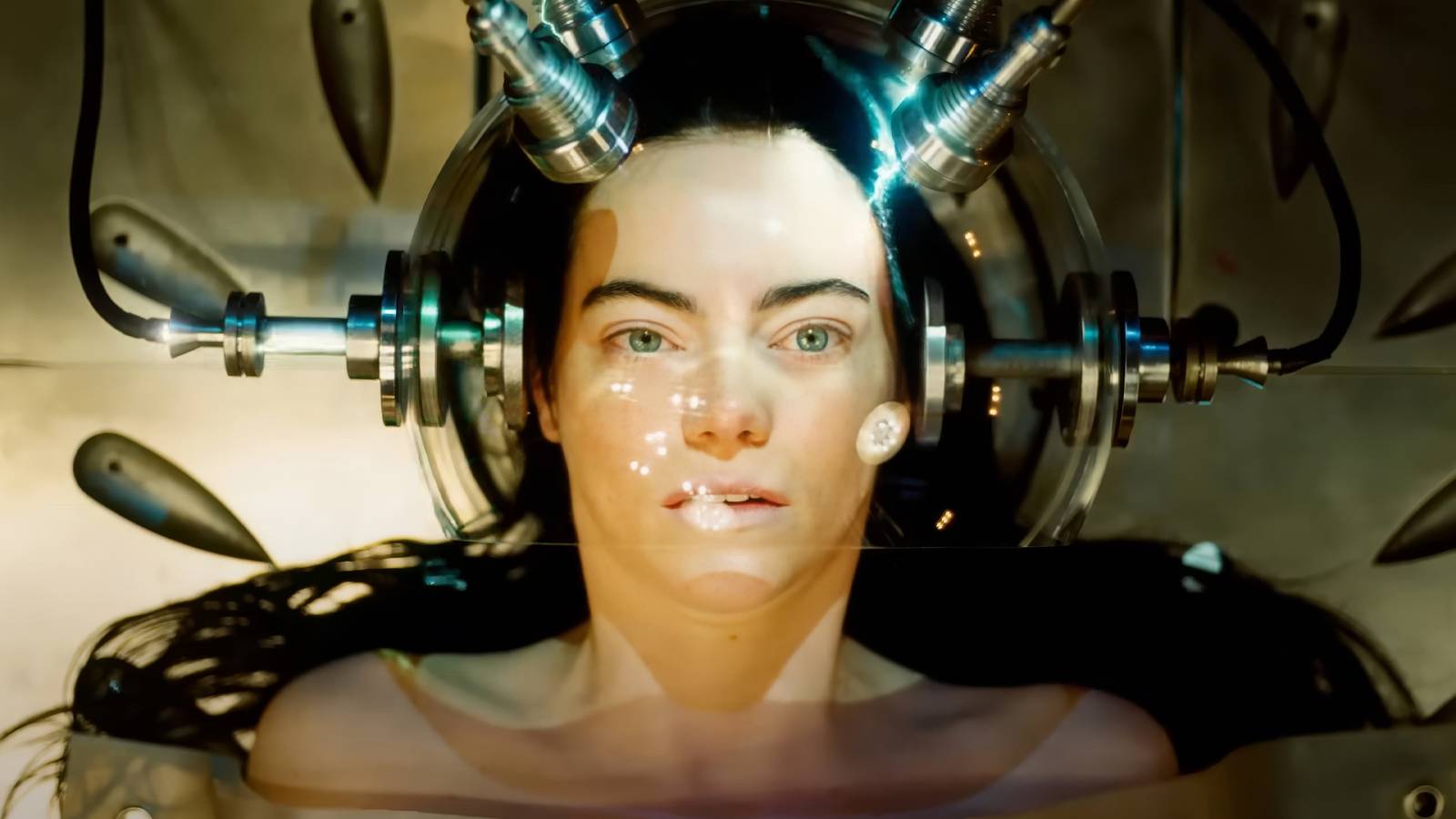
Science fiction has always been a mirror for our times, and the 2020s have proven no exception. This decade has already gifted us with a stunning array of films that push boundaries, challenge conventions, and offer fresh perspectives on the genre. From intimate AI dramas to sprawling multiversal adventures, these movies showcase the incredible versatility and enduring appeal of sci-fi.
As we navigate an era of rapid technological change and global uncertainty, these films provide both escapism and profound commentary. They ask big questions about identity, humanity, and our place in the universe, all while delivering the mind-bending spectacle we crave. Here are the five best sci-fi movies since 2020, ranked.
5. Everything Everywhere All at Once (2022)
Michelle Yeoh delivers a career-defining performance as Evelyn Wang, a weary laundromat owner who is suddenly thrust into a multiversal war. When an alternate version of her husband (Ke Huy Quan) appears, she learns she is the only one who can stop a chaotic villain named Jobu Tupaki from destroying everything. What follows is a dizzying, hilarious, and deeply moving journey across infinite realities.
Directors Daniel Kwan and Daniel Scheinert (known as Daniels) have crafted a film that is bursting with creativity. It seamlessly blends martial arts, absurdist humor, and heartfelt family drama, all while exploring themes of nihilism, love, and the choices that define us. The film's success at the Oscars, including Best Picture, was a refreshing nod to bold, original filmmaking. It remains a wild, exhilarating, and surprisingly emotional ride that only gets better with each viewing.
4. Godzilla Minus One (2023)
Godzilla has been a cinematic icon for decades, but Godzilla Minus One reinvigorates the king of monsters with a powerful, humanistic story. Set in post-war Japan, the film follows a traumatized kamikaze pilot (Ryunosuke Kamiki) who must confront both his past and a terrifying new threat. This Godzilla is not just a force of nature; it's a symbol of the nation's collective trauma and fear.
The film brilliantly balances spectacle with emotional depth. The human characters are fully realized, and their struggles with guilt, survival, and redemption ground the story in a way that makes the monster's rampages all the more impactful. Godzilla Minus One is a return to the franchise's roots, using the creature as a metaphor for the horrors of war and the resilience of the human spirit. It's a thrilling, thought-provoking, and visually stunning achievement that rightfully earned its Oscar for Best Visual Effects.
3. After Yang (2021)
In a world increasingly obsessed with artificial intelligence, After Yang offers a quiet, meditative counterpoint. Directed by Kogonada, the film stars Colin Farrell as a father who tries to repair his family's android son, Yang (Justin H. Min), after he malfunctions. As he delves into Yang's memory bank, he uncovers a deeper understanding of what it means to be human.
This is not a film about robot uprisings or dystopian futures. Instead, it's a gentle, melancholic exploration of connection, memory, and the fleeting nature of life. The film's soft sci-fi approach allows it to ask profound questions about how we relate to technology and, more importantly, to each other. With its stunning cinematography and understated performances, After Yang is a beautiful, bittersweet gem that lingers long after the credits roll.
2. Poor Things (2023)
Yorgos Lanthimos's Poor Things is a bizarre, brilliant, and utterly unique take on the Frankenstein story. Emma Stone gives a fearless performance as Bella Baxter, a young woman who is resurrected by an eccentric scientist (Willem Dafoe) and embarks on a journey of self-discovery. The film follows her as she navigates a whimsical, steampunk-infused Victorian world, encountering both wonder and depravity.
This is a coming-of-age story like no other, filled with Lanthimos's signature dark humor and unflinching honesty. Stone is phenomenal, capturing Bella's childlike curiosity and growing independence with remarkable depth. The film is a visual feast, with its pastel colors and surreal landscapes, but it's also a sharp commentary on feminism, autonomy, and the societal constraints placed on women. Poor Things is challenging, provocative, and utterly unforgettable.
1. Dune: Part Two (2024)
While the original Dune (2021) was a stunning introduction to Arrakis, its sequel, Dune: Part Two, elevates the saga to new heights. Denis Villeneuve's epic continues the story of Paul Atreides (Timothée Chalamet) as he unites with the Fremen to wage war against the Harkonnens. This is sci-fi at its most grand and immersive, with breathtaking visuals, a powerful score, and a story that feels both intimate and monumental.
The film expands the world of Frank Herbert's novel, delving deeper into the politics, religion, and ecology of Arrakis. Chalamet is riveting, and the supporting cast, including Zendaya, Rebecca Ferguson, and Austin Butler, are all exceptional. Dune: Part Two is a masterclass in blockbuster filmmaking, proving that epic sci-fi can be both intellectually stimulating and commercially successful. It's a cinematic triumph that sets a new standard for the genre.