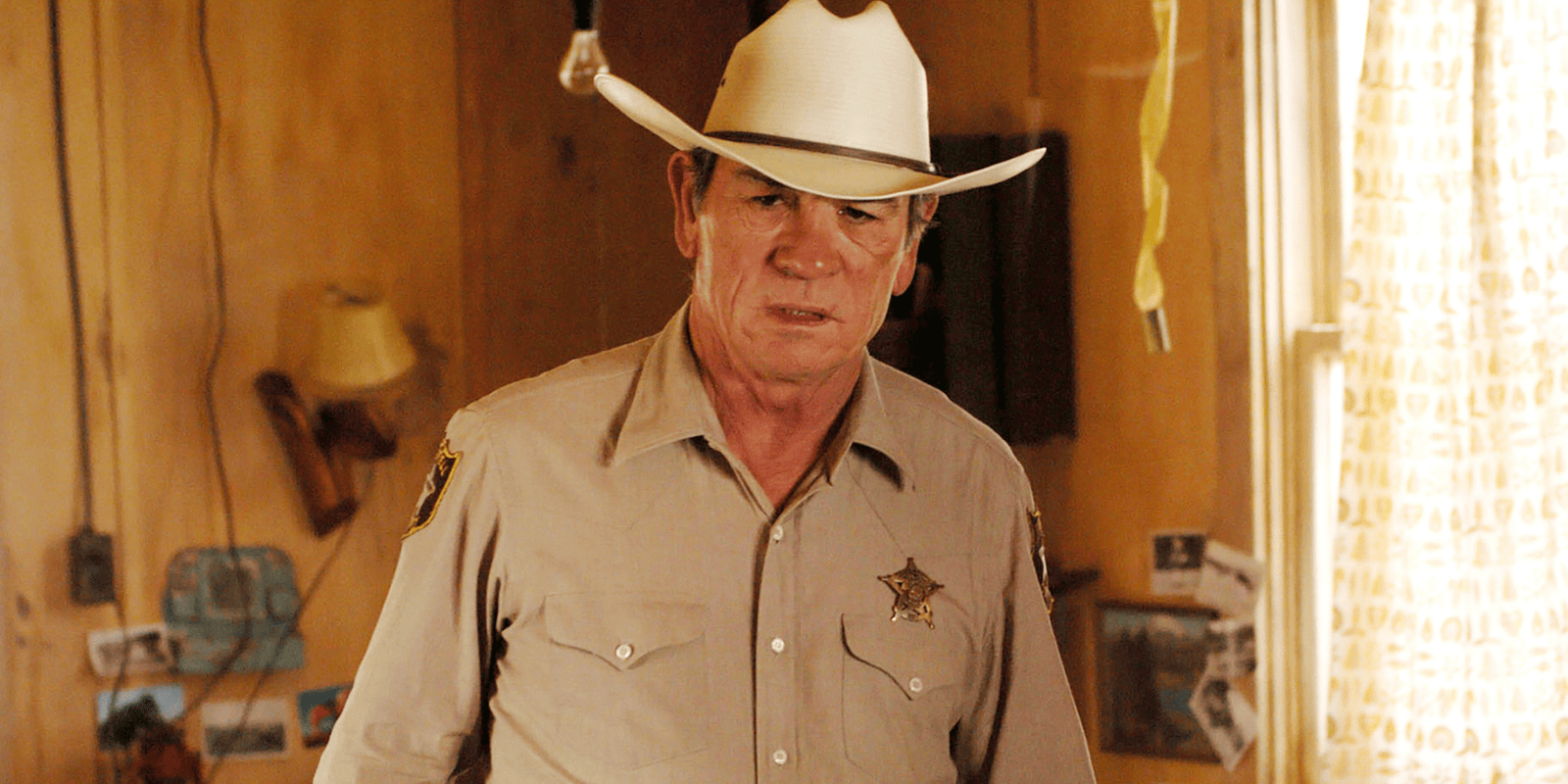
When the Coen Brothers' No Country for Old Men swept the Oscars in 2008, it seemed like everyone involved was celebrating. But behind the scenes, one of its stars was quietly preparing for a different kind of showdown—one that would take him straight to court.
Tommy Lee Jones, who played the stoic Sheriff Ed Tom Bell in the neo-Western thriller, filed a lawsuit against Paramount Pictures claiming the studio had cheated him out of millions of dollars in profits from the film. The actor alleged that Paramount used shady accounting practices to avoid paying him his rightful share of the movie's massive earnings.

The Lawsuit That Shook Hollywood
According to court documents, Jones's contract entitled him to a percentage of the film's net profits. But after No Country for Old Men grossed over $170 million worldwide on a modest $25 million budget, Paramount reported that the film had actually lost money—at least on paper. Jones's legal team argued that the studio had inflated costs and deducted bogus fees to wipe out any profit participation.
The lawsuit became a cautionary tale in Hollywood about the murky world of “Hollywood accounting,” where even blockbuster hits can be made to look unprofitable on spreadsheets. Jones wasn't just fighting for his own paycheck; he was taking a stand against a system that many actors and writers have long criticized.
A Star's Battle for Fair Pay
Jones's legal action wasn't his first rodeo with Paramount. The actor had previously clashed with the studio over profit participation on other projects, including The Fugitive. But the No Country for Old Men case was especially high-profile because of the film's critical and commercial success.
In the end, the two sides reached a settlement, though the terms were never publicly disclosed. Industry insiders estimated that Jones walked away with a significant payout—likely in the millions—but the exact figure remains under wraps. The case served as a reminder that even A-list stars have to fight for what they're owed.
For fans of the Coen Brothers' masterpiece, the lawsuit adds a layer of intrigue to the film's legacy. You can now watch No Country for Old Men for free on Pluto TV, but the story behind the scenes is anything but free.
What This Means for Paramount Today
Paramount has faced its share of legal battles over the years, but the Jones lawsuit remains one of the most notable. It highlighted the studio's aggressive accounting tactics and sparked conversations about transparency in Hollywood. Today, Paramount+ is home to a growing library of original content, including Taylor Sheridan's Tulsa King, but the shadow of past disputes still lingers.
Jones, meanwhile, has continued to work steadily, taking on roles in everything from The Homesman to Ad Astra. But his decision to sue Paramount was a defining moment in his career—a reminder that even the most respected actors won't let studios take advantage of them.
The case also resonated with other talent in the industry. Profit participation lawsuits have become more common in recent years, with stars like Dustin Hoffman and the estate of Star Wars actor Peter Cushing also taking studios to court over similar issues. Jones's victory, however small, was a win for artists everywhere.
As for No Country for Old Men, it remains a timeless classic—a film that won four Oscars, including Best Picture, and cemented the Coen Brothers' place in cinema history. But for Tommy Lee Jones, it was also the film that forced him to fight for what he deserved.