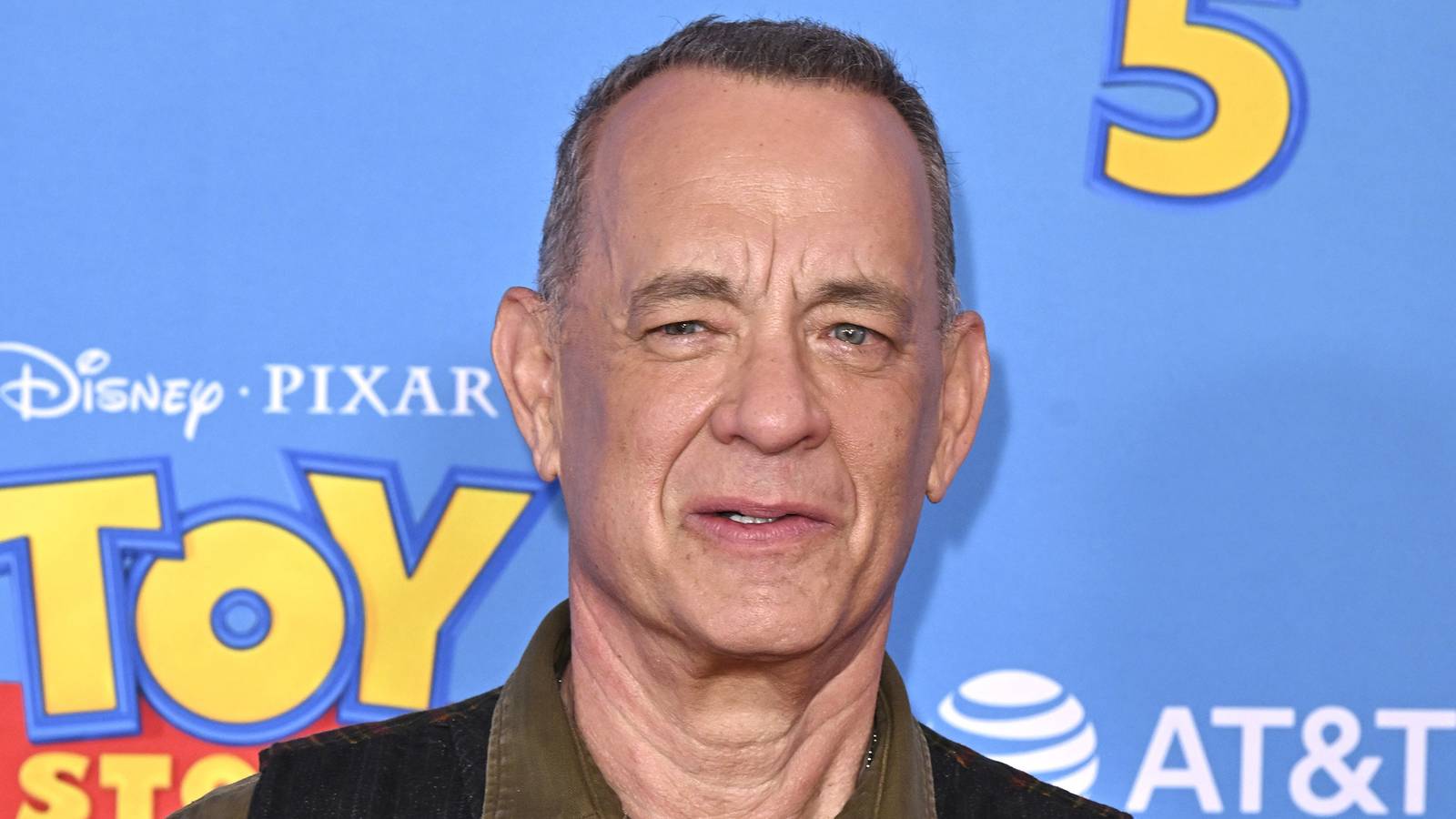
Netflix could have played it safe for America's 250th birthday with a straightforward documentary celebrating the nation's founding. Instead, the streaming giant—with Tom Hanks as co-producer—delivered something far more ambitious. The American Experiment uses the Revolutionary War and the drafting of the Constitution as a springboard for a larger conversation about democracy, compromise, division, and whether the ideas that built the country still hold up today.
The five-part series arrives at a moment when Americans are reflecting on 250 years of history—and wrestling with the principles the Founding Fathers put in place. Rather than inviting viewers to simply celebrate, the docuseries challenges them to think critically about what those celebrations mean. It argues that the past isn't irrelevant; it's alive in the debates we're having right now.
'The American Experiment' Makes History Feel Urgent
History often looks inevitable in hindsight. The colonies declared independence, won the war, wrote the Constitution, and built a nation. But director Brian Knappenberger slows down the familiar timeline to remind us how fragile each step actually was. Independence wasn't guaranteed. The Constitutional Convention nearly fell apart. The young republic spent years wondering if it would survive at all.
From that perspective, the "American experiment" was exactly what the founders believed they were attempting—an uncertainty that gives the series its momentum. Even knowing how the story ends, the documentary focuses on the countless moments when history could have taken another path. It transforms familiar events into decisions that had to be argued over, negotiated, and sometimes barely held together. As the United States reaches another historic milestone, that's a surprisingly effective lens. The anniversary becomes less about honoring the past than recognizing how much of it still shapes the present.
Tom Hanks' Docuseries Doesn't Turn the Founding Fathers Into Legends
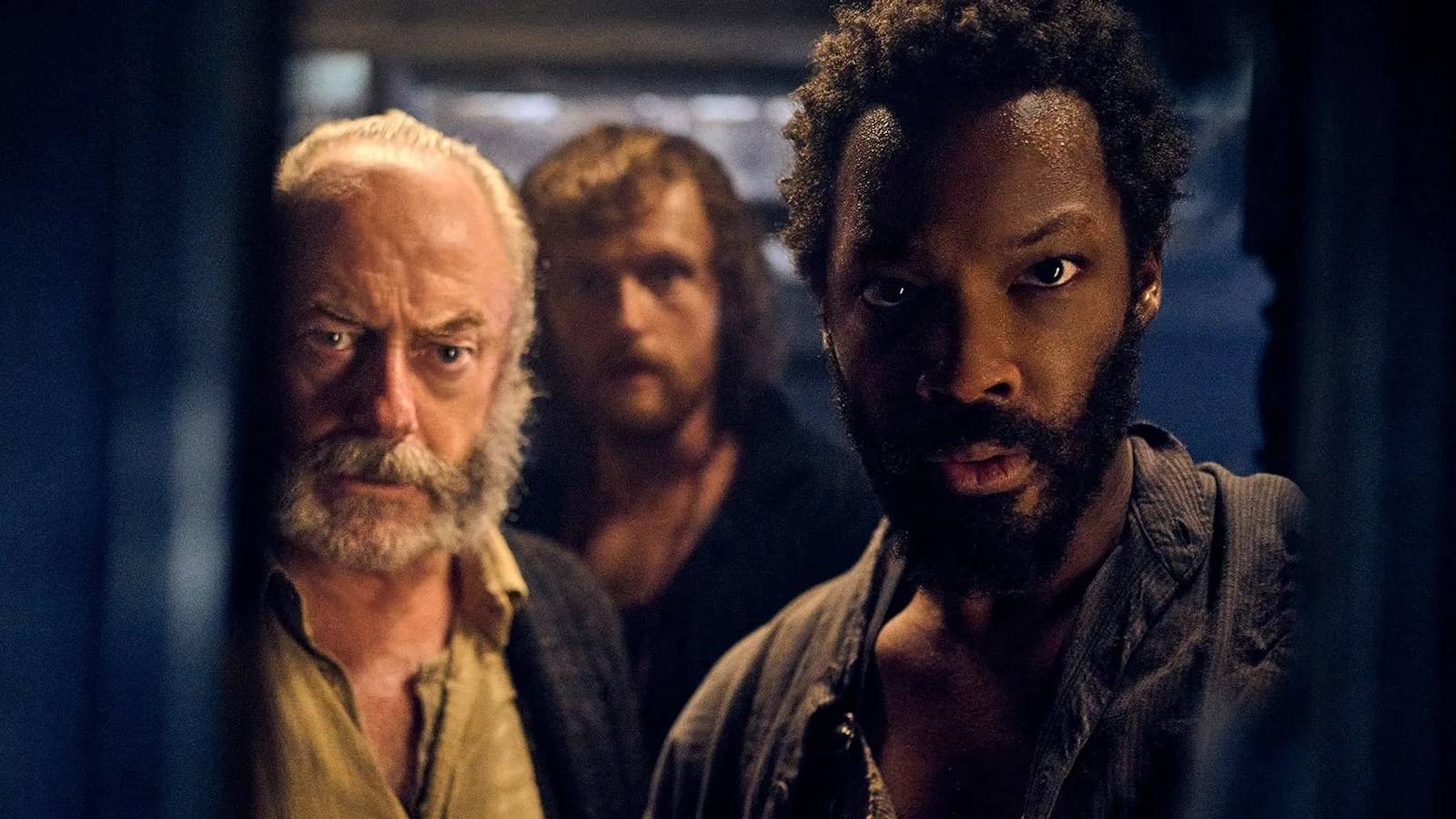
Martin Sheen's readings of George Washington's letters bring gravity to the story, while cinematic reenactments recreate battles, congressional debates, and pivotal Revolutionary-era moments. But the series spends just as much time exploring uncertainty, disagreement, and compromise as it does celebrating triumph.
Washington emerges as an essential figure without becoming a flawless one; the same goes for Jefferson, Franklin, Hamilton, and the other architects of the new republic. They're presented as talented, ambitious people trying to solve problems no nation had faced in quite the same way before. The documentary also refuses to sidestep the country's foundational contradictions. Slavery, unequal representation, and the limits of liberty aren't treated as unfortunate detours from an otherwise perfect story—they're woven into the nation's creation from the beginning, making clear that many of today's debates didn't suddenly appear in the 21st century.
Its Biggest Surprise Is How Directly It Speaks to 2026
The series brings together a diverse array of historians, law scholars, museum directors, tribal representatives, and politicians from across the political spectrum. It includes former vice presidents Mike Pence, Kamala Harris, and Al Gore, as well as Hillary Clinton, Nancy Pelosi, Rand Paul, Jamie Raskin, Stephen Breyer, and dozens of historians specialized in the Revolutionary era.
This could easily be dismissed as hype, but it only supports the series' thesis: The Constitution is not merely a document from the past. It continues to be interpreted, challenged, and defended. Not every interview lands with equal weight, and some viewers will inevitably focus more on the politicians than the history. Even so, the conversations consistently point back to the same idea—a fitting message for a documentary released during America's 250th anniversary. Rather than presenting democracy as something settled generations ago, The American Experiment argues it's a process that's constantly being tested by the people living through it.
Television doesn't often become part of a national conversation without chasing controversy, and The American Experiment takes the opposite route. It earns its relevance by trusting that history, presented honestly and without easy answers, can still feel urgent. In a year filled with splashy streaming releases, this Netflix docuseries may end up being remembered not because it looked backward, but because it understood exactly why so many people are looking there now.
For more on Netflix's ambitious projects, check out our review of Netflix's 'Little House on the Prairie' and why 'Tale of the Nine-Tailed' is a must-watch K-drama fantasy.