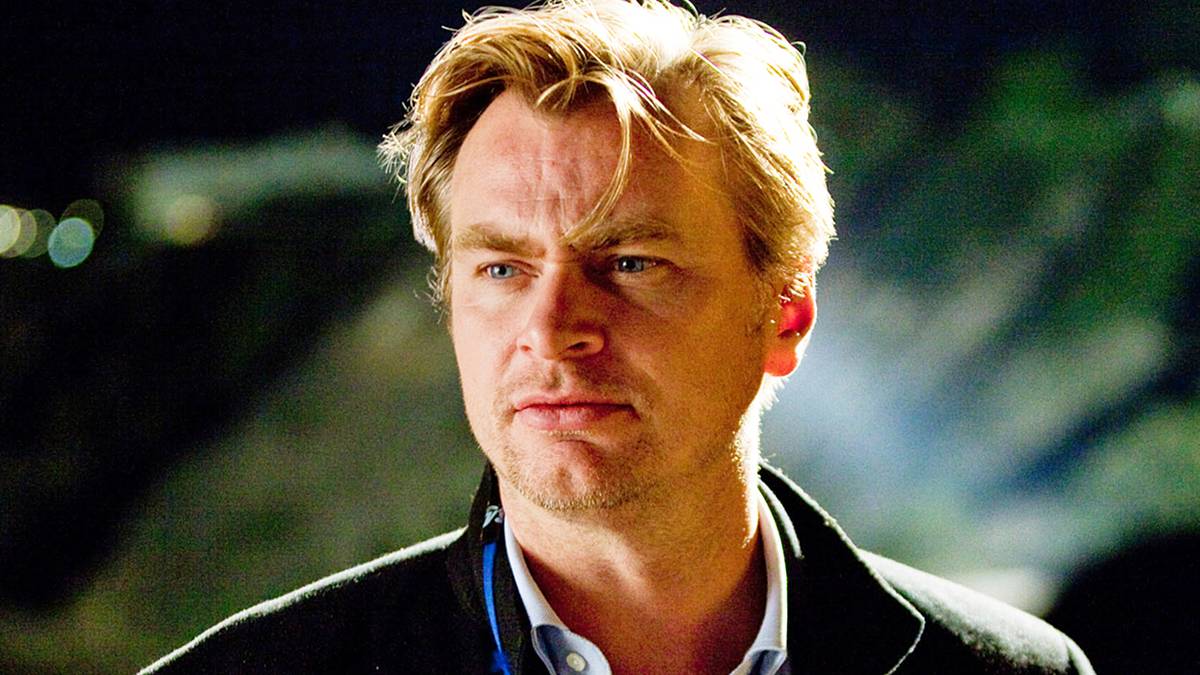
When Christopher Nolan set out to reboot Batman with Batman Begins, he was determined to strip away the camp and ground the Caped Crusader in a gritty, believable world. That meant reimagining Gotham's rogues gallery with a sense of realism—and it led to a behind-the-scenes clash over one villain's iconic look.
According to co-writer David S. Goyer, Nolan initially argued against including the Scarecrow's signature mask. As Goyer recalled in The Art and Making of The Dark Knight Trilogy, Nolan insisted every element of the story had to feel authentic. "Chris insisted that every thing and every character have a sense of verisimilitude," Goyer said. "And so he asked if Scarecrow had to use a mask."
For Goyer, a lifelong comic fan, the answer was a firm yes. But Nolan wasn't convinced. "He said, 'But I don't like the mask.' And I said, 'The Scarecrow has to use a mask. He has to,'" Goyer added. Nolan eventually relented—but only after they found a plausible reason for Dr. Jonathan Crane to wear it. "There had to be a 'why,' and it had to be real. That was Chris' mantra the whole time we were working on the script—'it has to be real, it has to be real.'"
That "why" came in the form of a gas mask. In the film, Cillian Murphy's Crane dons a burlap sack with a breathing apparatus inside—not for theatricality, but to protect himself from his own fear toxin. The mask becomes a practical tool for a villain who weaponizes hallucinogens, a detail that satisfied Nolan's need for grounded logic.
Costume designer Lindy Hemming also played a key role in making the Scarecrow feel real. She dressed Murphy in ill-fitting suits with too-short sleeves and a small collar, creating an awkward, scarecrow-like silhouette. Over 100 sketches and 20 prototype masks were considered before settling on a design that was "less cartoonish" than the comics but still spooky. "It came off really spooky, but it was terribly simple," Hemming noted.
The Scarecrow wasn't the only villain Nolan approached with caution. He and Goyer deliberately chose characters like Ra's al Ghul and Scarecrow because they hadn't been featured in previous Batman films, allowing them to craft fresh origin stories. Influenced by classics like Batman: Year One and The Long Halloween, Nolan's trilogy would later introduce the Joker, Two-Face, and Bane—each reimagined with the same commitment to realism.
Nolan's insistence on authenticity paid off. Batman Begins launched a trilogy that redefined superhero cinema, proving that even a man in a bat suit could feel grounded—if you find the right reasons for the mask.