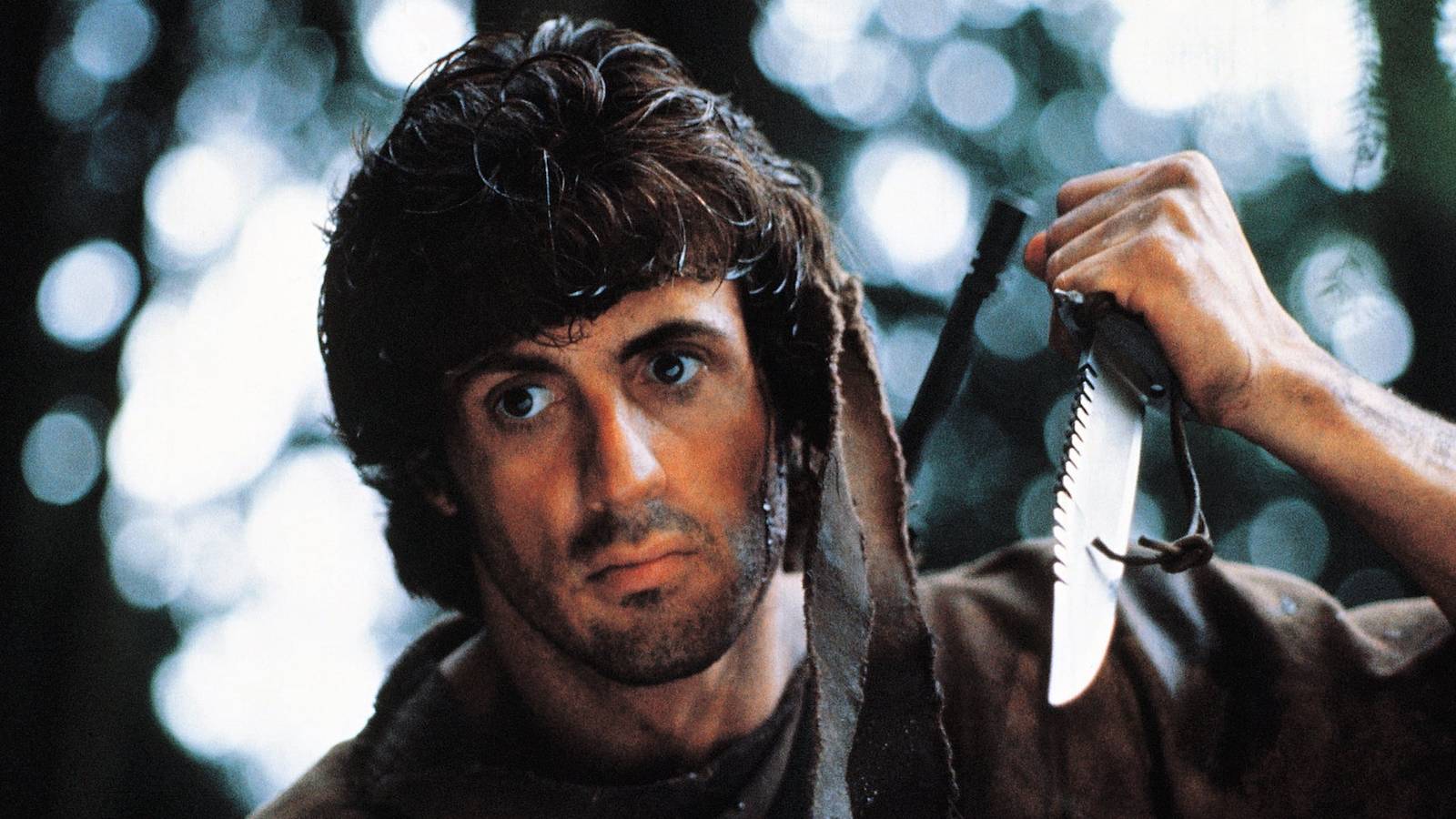
Before John Rambo became a symbol of explosive action, his first cinematic outing in 1982's First Blood was a raw, emotional drama about the scars of war. While Sylvester Stallone's character is famously linked to Vietnam veterans, the film's soul was forged from the real-life trauma of a hero from a different conflict: World War II veteran Audie Murphy.
The Real-Life Hero Behind the Legend
Audie Murphy wasn't just any soldier. He was one of the most decorated American combatants of WWII, receiving every valor award the U.S. Army offered. He fought in pivotal campaigns across Europe, from Sicily to the liberation of France, and was credited with over 250 enemy kills. But when the guns fell silent, a new, invisible battle began.
Like the fictional Rambo, Murphy returned home grappling with severe post-traumatic stress disorder. He suffered from graphic nightmares, depression, and unpredictable mood swings, often sleeping with a loaded pistol for comfort. His struggle to reintegrate into civilian life, marked by a reliance on medication and bouts of violence, painted a tragic portrait of a hero haunted by his own bravery.
From Memoir to Movie Inspiration
Murphy channeled his experiences into a 1949 memoir, To Hell and Back, and later played himself in its film adaptation. His public battle with PTSD made him a symbol of both wartime valor and postwar struggle. This duality caught the attention of author David Morrell in the early 1970s.
As a professor at the University of Iowa, Morrell watched his own students—Vietnam veterans—struggle to articulate their trauma. He recalled Murphy's story, which he had followed since childhood, and saw a powerful parallel. First Blood was born from this connection, conceived as a stark warning about the cost of neglecting returning soldiers.
A Franchise's Divergent Path
The original First Blood film, while diverging from Morrell's darker novel ending, retained its core focus on trauma and systemic failure. Stallone's poignant breakdown at the film's climax offered a glimmer of hope for recovery, a moment of vulnerability rarely seen in action cinema of the era.
However, the sequels, like other franchises that reinvent themselves, took a sharp turn. Rambo: First Blood Part II and its successors traded psychological depth for patriotic spectacle, transforming the damaged veteran into an unstoppable weapon of war—the very narrative the first film sought to critique.
A Legacy Beyond the Battlefield
Despite the franchise's shift, the original film's power endures. It remains a timeless examination of the conflict between a veteran and the society he returns to, a theme as relevant today as it was during the Vietnam or WWII eras. Murphy's legacy, both as a war hero and a man who fought a private war at home, ensured that Rambo's story began not as a cartoonish power fantasy, but as a human cry for understanding.
The story of adapting real-life heroism continues in Hollywood, much like the recent buzz around David Harbour stepping into an iconic role for a new 'Rambo' project. Yet, the poignant origin of the character in Audie Murphy's reality is what gives First Blood its enduring, emotional weight—a reminder that the greatest battles are sometimes fought long after the war is over.