Horror remakes are a risky business. When done right, they can breathe new life into a classic, offering a fresh perspective that honors the original while standing on its own. But when they go wrong, they go really wrong, leaving fans wondering why anyone thought it was a good idea to touch a beloved film in the first place. The following ten remakes are the absolute worst of the worst—films that not only failed to capture the magic of their predecessors but actively tarnished their legacies.
A Nightmare on Elm Street (2010)
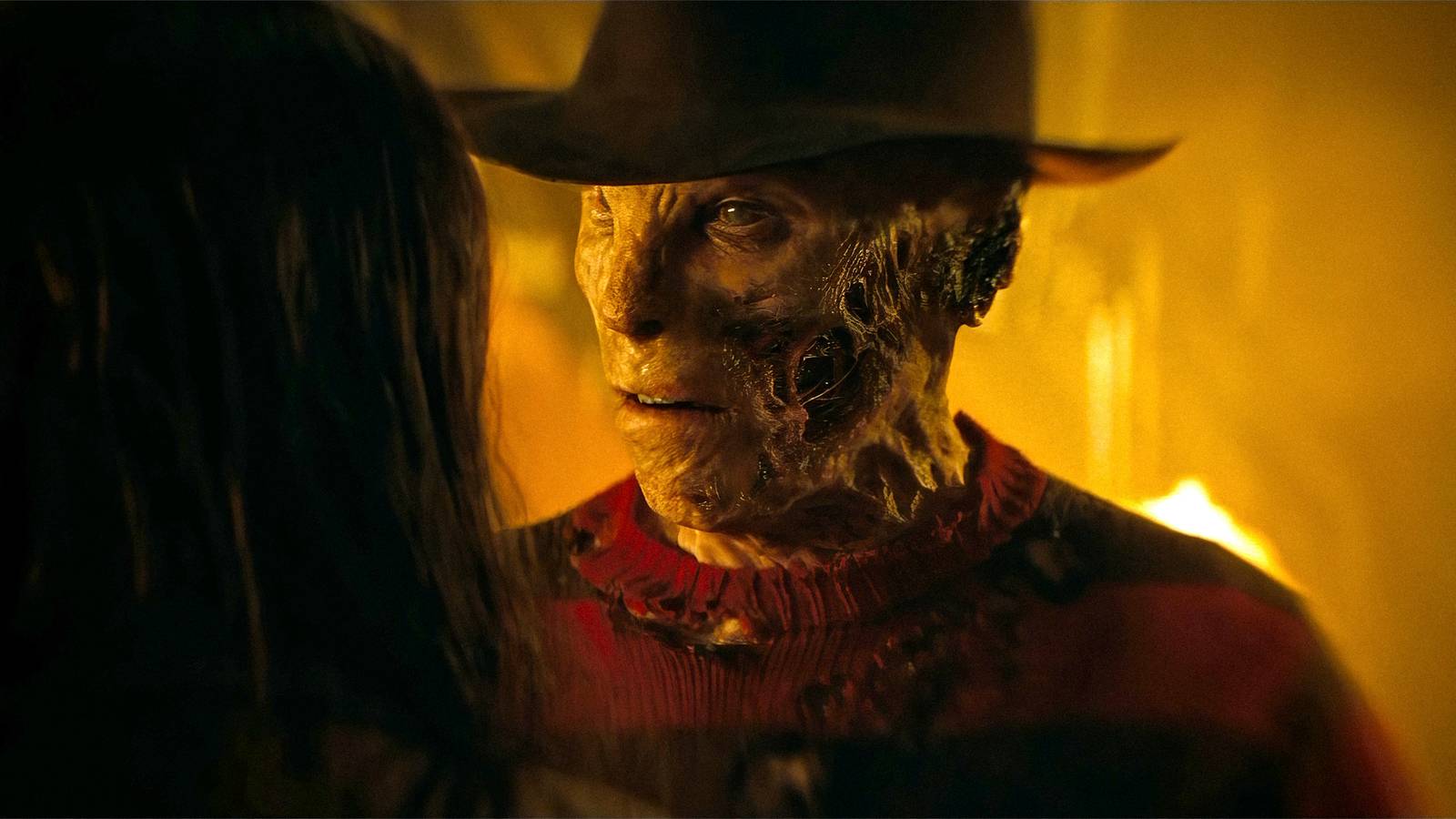
Any attempt to remake A Nightmare on Elm Street without Robert Englund as Freddy Krueger was already fighting an uphill battle. Englund's iconic blend of menace and dark humor is what made the character so unforgettable. When the 2010 reboot was announced, with Jackie Earle Haley stepping into the role, fans were skeptical. Unfortunately, their doubts were justified.
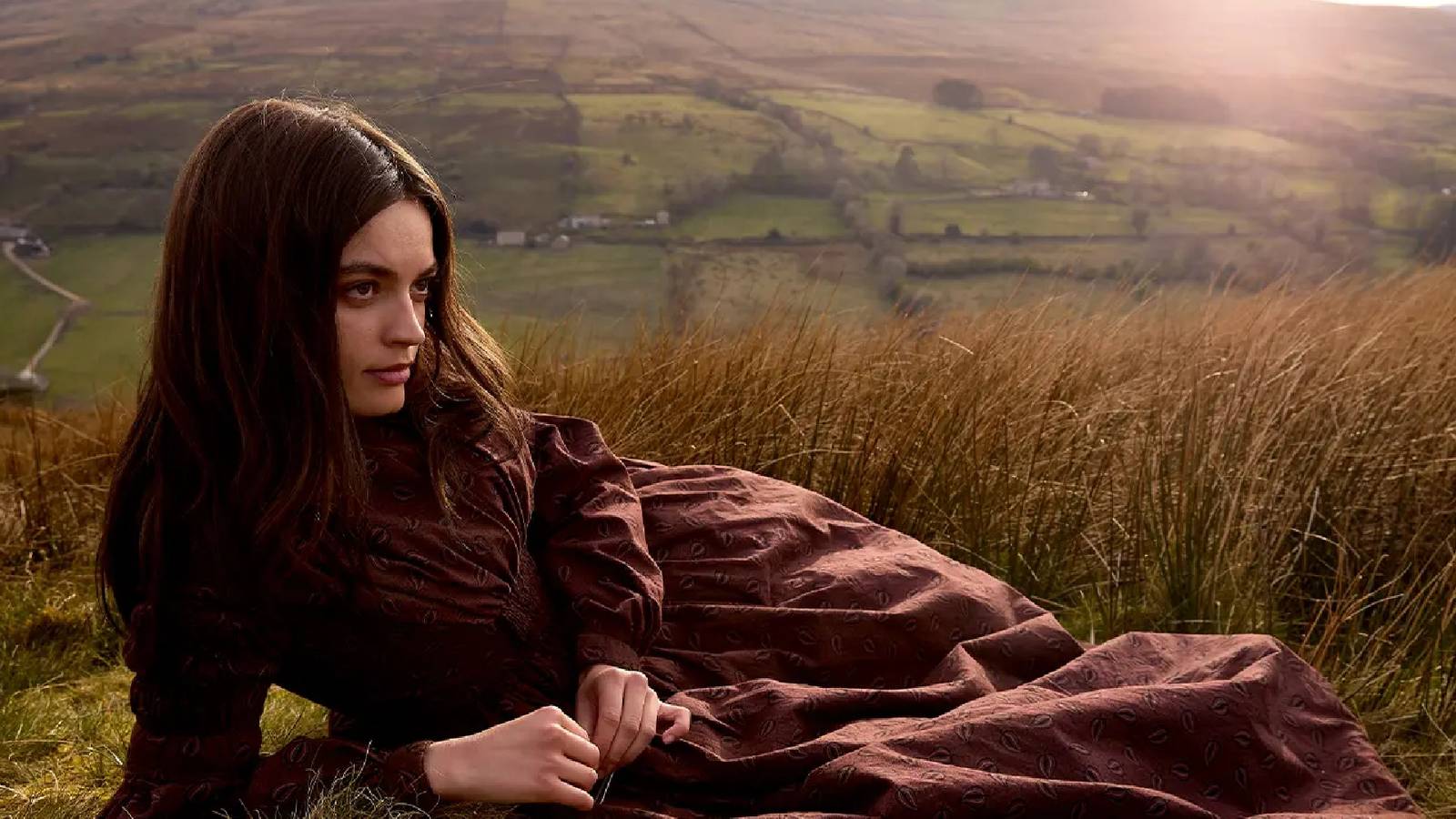
The film follows the same basic plot as the original—Freddy, a child killer, is burned to death by the parents of Springwood, only to return in the dreams of their children to exact his revenge. But where the original was a masterclass in tension and terror, this remake falls flat. Haley tries his best, but the script gives him little to work with, stripping away the character's wit and making him a one-dimensional predator. The supporting cast of teens is forgettable, and Rooney Mara's Nancy lacks the arc that made Heather Langenkamp's portrayal so compelling. The decision to make Freddy a child molester adds a layer of gratuitous darkness that feels unnecessary and distasteful. This is a nightmare, but for all the wrong reasons.
Black Christmas (2006)
The original Black Christmas (1974) is a pioneering slasher that helped define the genre, featuring one of the first final girls in Olivia Hussey. The 2006 remake, directed by Glen Morgan, is a soulless retread that misses everything that made the original work. It trades the dark humor and suspense for loud jump scares and gratuitous gore, wasting the talents of Lacey Chabert and Michelle Trachtenberg in the process.
The plot is simple: sorority sisters are stalked during the holidays by a killer in a Santa suit. It sounds like a recipe for fun, but the execution is so flat and boring that it makes you long for the original's subtlety. The remake's reliance on shock value over atmosphere is a fatal flaw, and the result is a film that should be left on the shelf, unopened, like a fruitcake you never wanted.
Day of the Dead (2008)
George Romero's zombie classics have been remade with varying degrees of success. The 2004 Dawn of the Dead was a rare hit, but Steve Miner's Day of the Dead is a catastrophic miss. This remake trades the claustrophobic bunker setting of the original for a wide-open, action-heavy shoot-'em-up, and the result is a film that lacks any sense of tension or dread.
The story follows a group of survivors in a small Colorado town as they fight off fast-moving zombies, a trope that was already tired by 2008. Mena Suvari and Ving Rhames do their best with the material, but they're given little to work with. The original Day of the Dead was a social commentary on class and prejudice, but this remake strips away all that depth, leaving only mindless violence. It's a shallow, forgettable film that does a disservice to Romero's legacy.
One Missed Call (2008)
The early 2000s saw a wave of J-horror remakes, and most of them were terrible. One Missed Call is perhaps the worst of the bunch. The premise—people receive voicemails from their future selves, predicting their deaths—had potential, but the execution is laughably bad. The film is a confusing mess, with poor pacing and a plot that makes little sense.
The cast, including Shannyn Sossamon and Edward Burns, is wasted on a script that feels like it was written by a committee of studio executives trying to cash in on a trend. The scares are cheap, the acting is wooden, and the film is so dull that you'll be checking your own phone for a way out. This is one call you should definitely let go to voicemail.
More Remakes That Missed the Mark
These are just a few of the worst offenders, but the list goes on. Cabin Fever (2016) was a pointless redo of Eli Roth's 2002 cult hit, with none of the original's charm or gross-out humor. War of the Worlds (2005) tried to update the classic sci-fi tale but ended up with a bloated, effects-heavy spectacle that lacked the original's sense of wonder and terror.
Even The Fog (2005) and Prom Night (2008) failed to capture the magic of their predecessors, offering nothing but cheap scares and forgettable performances. These remakes are a reminder that not every classic needs a modern update. Sometimes, the original is best left untouched.
Why Do We Keep Getting Bad Remakes?
The allure of a built-in audience is strong, and studios are often more interested in profit than in artistic integrity. But as these films prove, a remake that doesn't respect its source material is doomed to fail. Fans can spot a cash grab from a mile away, and they're not afraid to voice their disappointment.
If you're looking for a good scare, skip these remakes and revisit the originals. Or, if you're brave enough, check out some of the worst horror movies ever made for a different kind of fright. And if you're in the mood for something genuinely terrifying, keep an eye out for Neon's latest horror hit, which proves that the genre is still capable of innovation.
In the end, these remakes serve as a cautionary tale: just because you can remake a classic doesn't mean you should. The best horror films are the ones that take risks, not the ones that play it safe. So here's to the originals, and to hoping that Hollywood learns from its mistakes.