In the ever-expanding universe of fantasy literature, few recent works have managed to capture the imagination quite like James Islington's The Will of the Many. While the genre has seen a surge of innovative voices and bold new ideas, this novel stands head and shoulders above the rest, earning its place as the finest epic fantasy of the past decade.
Set in a world still recovering from a cataclysmic event three centuries prior, The Will of the Many introduces readers to the Catenan Republic, a sprawling empire built on the backs of its citizens. The Republic's power structure, known as the Hierarchy, is a chilling system where individuals surrender their physical and mental energy—referred to as "Will"—to those above them. At the bottom, the Octavi give up half their Will and receive nothing in return, while the elite Princepts enjoy the combined energy of hundreds, ceding none of their own. It's a dystopian vision that feels both fantastical and disturbingly plausible.

Our protagonist, Vis, is a seventeen-year-old runaway scraping by in the Republic's brutal prisons and underground fighting rings. His life takes a dramatic turn when he catches the eye of Senator Magnus Quintus Ulciscor, who offers him a chance at freedom—and perhaps even a future where he won't have to surrender his Will. But this opportunity comes with a dangerous mission that plunges Vis into a web of conspiracy, political intrigue, and personal revelation. Islington masterfully doles out secrets about Vis's past and Ulciscor's motives, keeping readers on the edge of their seats.
Worldbuilding That Redefines the Genre
What truly sets The Will of the Many apart is its meticulous worldbuilding. Islington takes a slow-burn approach, introducing the intricacies of the Hierarchy and the Republic's institutions gradually, allowing the world to unfold organically. This isn't just worldbuilding for its own sake; every detail serves the story and themes, from the oppressive social structure to the mysterious Aurora Columnae—ancient artifacts that enable the transfer of Will. The result is a setting that feels lived-in and deeply thought out, without ever overwhelming the reader.
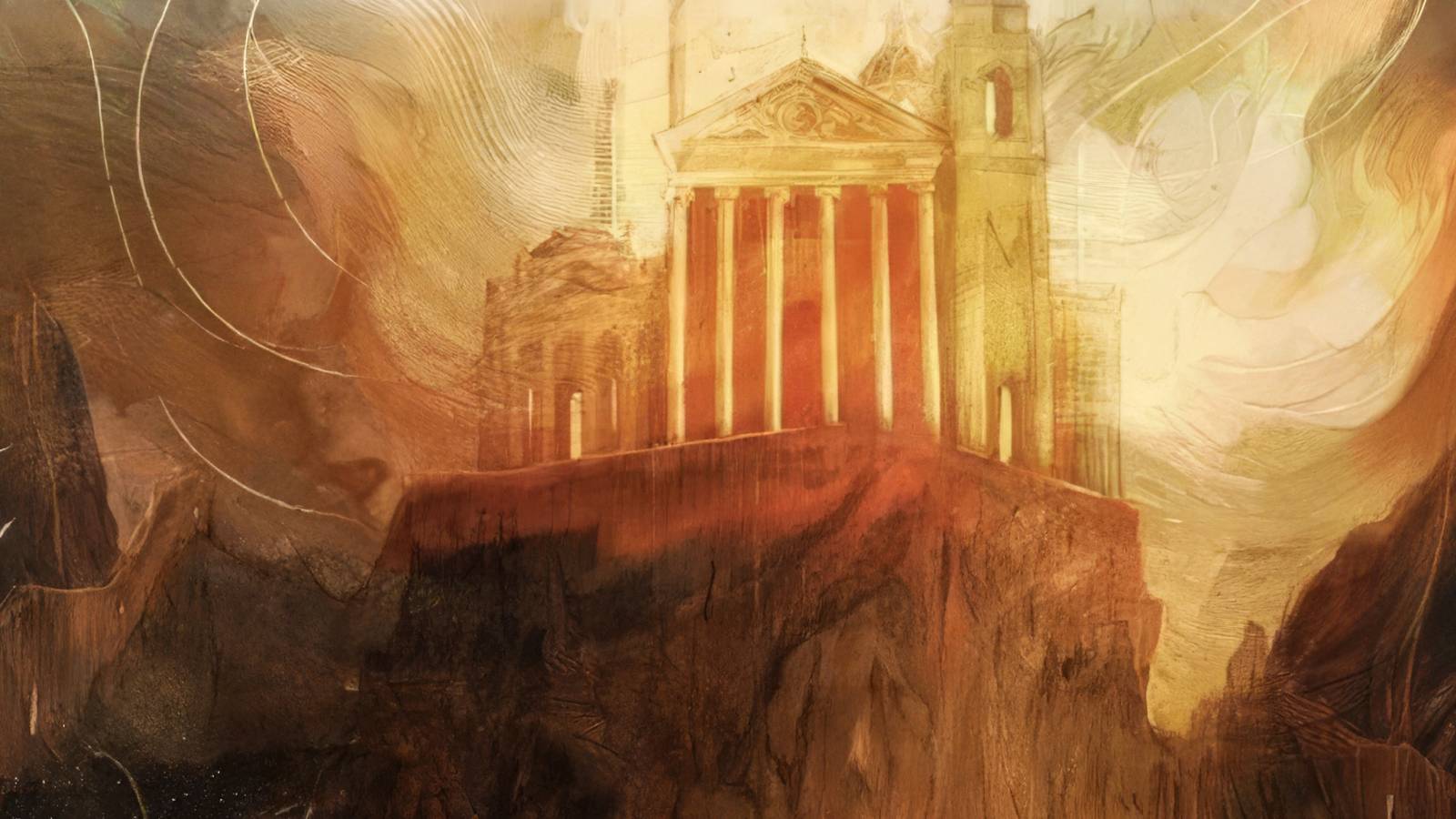
The Roman Republic inspiration is a stroke of genius. While many fantasy worlds draw from medieval Europe, Islington's choice to model his empire on Rome—complete with senators, togas, and gladiatorial combat—feels refreshingly original. It's a visual and thematic departure that gives the novel a distinct identity, and it's surprising more authors haven't mined this rich historical vein. The political machinations, military might, and stark inequality of Rome translate perfectly into a fantasy context, creating a world that's both familiar and alien.
At the heart of this world is the concept of Will itself—a power system that's as creative as it is ruthless. It's not magic in the traditional sense, but rather a blend of science and supernatural ability, with the Aurora Columnae acting as conduits for this energy. The applications of Will are vast, from enhancing physical prowess to influencing others, and Islington uses it to explore themes of power, consent, and exploitation. It's a system that feels both innovative and thematically resonant.
A Masterpiece of Epic Fantasy
The Will of the Many is more than just a great fantasy novel; it's a masterclass in storytelling. The plot is a gripping coming-of-age tale set against a backdrop of political intrigue and shifting allegiances, reminiscent of John le Carré's spy thrillers but with a fantasy twist. Islington's prose is evocative and atmospheric, painting vivid pictures of this world while maintaining a brisk pace that keeps the pages turning.
Vis is a protagonist who is both compelling and complex, with a rich inner life that often puts him at odds with the world around him. His journey is one of survival, identity, and moral ambiguity, making him one of the most memorable characters in recent fantasy. The supporting cast is equally well-drawn, from the enigmatic Ulciscor to the various figures Vis encounters along the way.
For fans of political fantasy and epic worldbuilding, The Will of the Many is an absolute must-read. It's a book that rewards careful attention and offers something new with each reread. If you're looking for a fantasy epic that defies expectations and delivers on every level, look no further. And if you're hungry for more great fantasy, check out our list of fantasy epics that rival House of the Dragon or explore some forgotten fantasy novels that only get better with time.
In a decade filled with outstanding fantasy, The Will of the Many stands tall as a true modern classic. Its blend of intricate worldbuilding, compelling characters, and thought-provoking themes sets a new standard for the genre. Whether you're a longtime fantasy fan or new to the genre, this is a book that demands to be read.