Adventure stories have been captivating readers for centuries, long before blockbuster movies and binge-worthy series took over. These tales of daring voyages, hidden treasures, and epic quests laid the groundwork for modern entertainment. At ShowtimeSpot, we've ranked the 10 greatest adventure book masterpieces of all time—the ones that truly built the genre. From 17th-century classics to modern thrillers, each entry offers unforgettable characters, high stakes, and that pure rush of venturing into the unknown.
10. 'Robinson Crusoe' (1719)
Daniel Defoe's Robinson Crusoe remains surprisingly readable after 300 years. The story follows a shipwrecked sailor stranded on a deserted island, forced to rely on his wits to survive. It introduced core adventure ingredients: the castaway hero, the struggle against nature, and survival through ingenuity. Beyond its genre impact, the novel is a milestone in English literature, pioneering realist fiction with meticulous detail on building shelter, growing crops, and taming animals. It's no wonder this tale influenced countless adventure games and stories.

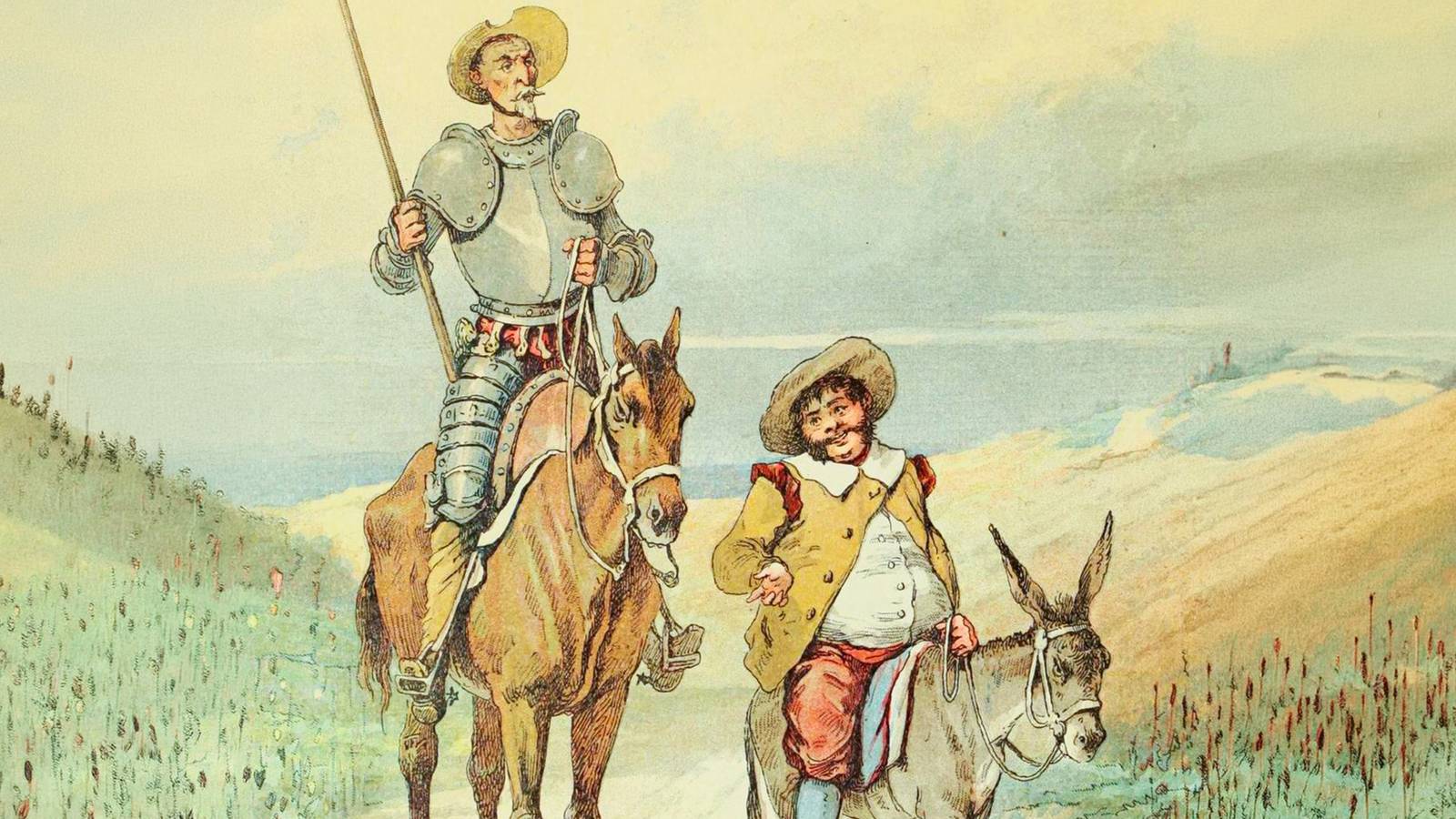
9. 'Don Quixote' (1605)
Miguel de Cervantes' Don Quixote seems simple: an aging man reads too many chivalric romances, loses his grip on reality, and wanders Spain as a self-proclaimed knight. Accompanied by his loyal squire Sancho Panza, he mistakes windmills for giants and inns for castles. Yet the novel is one of the most important ever written. Readers laugh at his delusions while admiring his courage and idealism. The word "quixotic" was born from this character, describing someone exceedingly idealistic. It's a masterpiece that blends humor with profound humanity.
8. 'Eye of the Needle' (1978)
Ken Follett's Eye of the Needle is a taut espionage thriller set during World War II. It follows Henry Faber, a ruthless German spy who uncovers Allied invasion plans. Trapped on a remote island with a lonely woman, the story becomes a deadly psychological cat-and-mouse game. Follett's narrative momentum is relentless, escalating danger with every page. Faber is a complex antagonist—intelligent, disciplined, and disturbingly sympathetic despite his brutality. This book proves that adventure can thrive in the shadows of espionage.
7. 'Master and Commander' (1969)
Patrick O'Brian's Master and Commander inspired the Russell Crowe film Master and Commander: The Far Side of the World. Set during the Napoleonic Wars, it follows Captain Jack Aubrey and ship surgeon Stephen Maturin aboard the HMS Sophie. The novel's immersive authenticity brings shipboard life to vivid detail, from nautical maneuvers to daily routines. The naval battles are among the finest ever written, emphasizing strategy and leadership over raw violence. Every engagement is a tense contest of nerve and split-second decisions.
6. 'Twenty Thousand Leagues Under the Seas' (1870)
Jules Verne's Twenty Thousand Leagues Under the Seas follows Professor Aronnax, captured aboard the revolutionary submarine Nautilus commanded by the mysterious Captain Nemo. Together, they explore underwater forests, giant sea creatures, shipwrecks, and hidden civilizations. The book radiates wonder, envisioning the sea as a magical frontier. This idea of cutting-edge technology transporting people to unknown worlds became a pillar of sci-fi. Nemo himself is a great character—idealistic, troubled, neither hero nor villain. For fans of underrated sci-fi gems, this is essential reading.
5. 'The Count of Monte Cristo' (1844)
Alexandre Dumas' The Count of Monte Cristo is a sprawling tale of betrayal, imprisonment, and elaborate revenge. Edmond Dantès, wrongfully imprisoned, escapes and discovers a hidden treasure, transforming into the enigmatic Count of Monte Cristo. He systematically dismantles those who ruined his life, using disguise, manipulation, and intellect. The novel is a masterclass in plotting, with twists that still thrill today. It explores themes of justice, redemption, and the cost of vengeance, making it one of the most enduring adventure stories ever written.
4. 'Treasure Island' (1883)
Robert Louis Stevenson's Treasure Island defined the pirate adventure genre. Young Jim Hawkins finds a treasure map and sets sail with a crew that includes the charismatic, one-legged Long John Silver. The novel introduced iconic elements: treasure maps with X marks the spot, peg-legged pirates, and buried gold. Stevenson's prose is vivid and fast-paced, with moral ambiguity that elevates it beyond a simple children's tale. Long John Silver remains one of literature's greatest antiheroes—charming, cunning, and utterly unpredictable.
3. 'The Hobbit' (1937)
J.R.R. Tolkien's The Hobbit began as a children's story but became a cornerstone of fantasy adventure. Bilbo Baggins, a reluctant hobbit, joins a band of dwarves to reclaim their treasure from the dragon Smaug. Along the way, he encounters trolls, goblins, elves, and the mysterious Gollum, whose riddle game changes everything. The novel balances whimsy and danger, with Bilbo's growth from timid homebody to clever hero. Its influence on fantasy and adventure is immeasurable, paving the way for epic sagas like The Lord of the Rings.
2. 'The Adventures of Huckleberry Finn' (1884)
Mark Twain's The Adventures of Huckleberry Finn is more than a river journey—it's a profound exploration of freedom, race, and morality. Huck Finn escapes his abusive father and teams up with Jim, a runaway slave, floating down the Mississippi River on a raft. Their adventures include feuds, con artists, and narrow escapes, but the heart of the story is Huck's moral awakening as he questions society's values. Twain's use of vernacular speech and sharp satire revolutionized American literature. It remains a powerful, controversial, and essential adventure.
1. 'The Odyssey' (c. 8th century BC)
Homer's The Odyssey is the original adventure epic. It follows Odysseus's ten-year journey home after the Trojan War, facing cyclopes, sirens, and the wrath of gods. This ancient poem established the template for every quest story that followed: a hero's long voyage, tests of cunning and courage, and a triumphant return. Odysseus is the archetypal adventurer—resourceful, flawed, and determined. Its themes of perseverance, loyalty, and the longing for home resonate across millennia. For sheer influence and timeless thrills, The Odyssey remains the greatest adventure book of all time.
These masterpieces prove that adventure isn't just about action—it's about discovery, growth, and the human spirit's unquenchable desire to explore. Whether you're a fan of classic literature or modern thrillers, these books offer journeys you'll never forget. For more rankings, check out our list of top psychological thrillers or best 2000s movie soundtracks.