Sometimes a TV show decides to shake things up. It can be a brilliant move—think Paradise or Lucifer finding their footing after a shift. But more often than not, a dramatic change in direction leaves viewers cold. When a series abandons what made it special, it risks becoming unrecognizable. Here are eight shows that took a wrong turn and never fully recovered.
'Riverdale' (2017–2023)
Riverdale started as a moody, grounded take on Archie Comics characters. The murder of Jason Blossom gave the first season a compelling mystery. But as the seasons rolled on, the show got progressively weirder. By the time the characters graduated high school, the series jumped the shark entirely. Archie became invulnerable after an explosion, Betty joined the FBI, Veronica conquered Wall Street, and Jughead developed mind-reading powers. The supernatural elements felt forced, and the time jump only made things worse. The show should have ended when the teens left high school.
'The Walking Dead' (2010–2022)
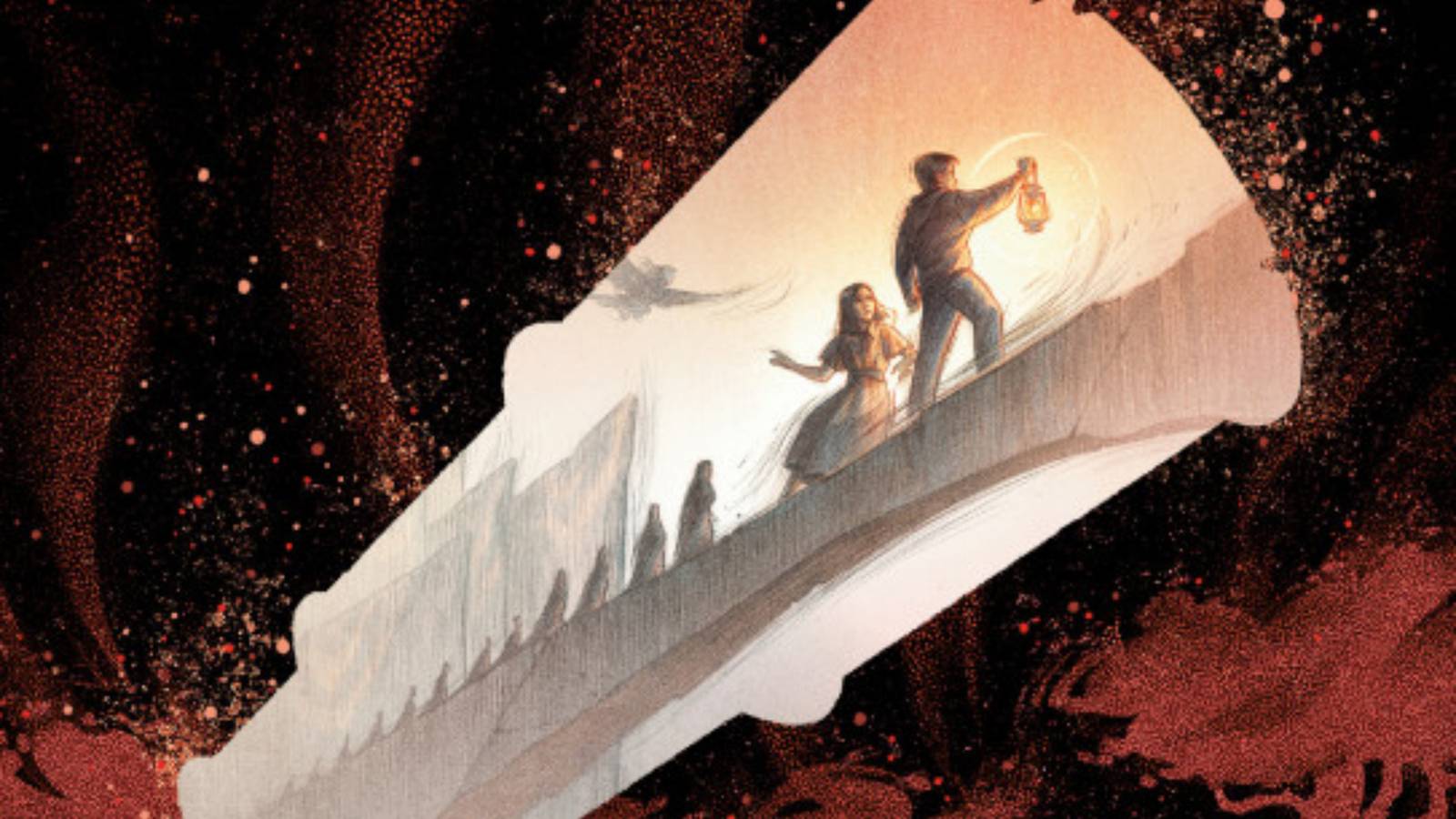
AMC's zombie epic had a spectacular fall from grace. The drawn-out Saviors storyline and the infamous Negan kill scene frustrated fans. Many stopped watching after two beloved characters were brutally murdered. The show then fell into a repetitive pattern with the Whisperers. But The Walking Dead managed to claw its way back, thanks to Negan's redemption arc and the introduction of the Commonwealth. Rotten Tomatoes scores dipped in seasons 7 and 8 but rose again for the final three seasons. It's a rare example of a show recovering from a bad formula change. For more on the franchise's future, check out Daryl Dixon skipping SDCC.
'How I Met Your Mother' (2005–2014)
The comfort of How I Met Your Mother came from its familiar settings: Ted's apartment, McLaren's Pub, the rooftop. The final season abandoned all that for a wedding weekend at a hotel. The focus shifted from Ted's journey to Barney and Robin's nuptials, a relationship many fans doubted. The long-awaited meeting with the mother felt anticlimactic, and the ending angered viewers. The show lost its cozy formula and never found a replacement.
'Prison Break' (2005–2017)
The first season of Prison Break was a taut thriller: Michael Scofield gets himself locked up to break his brother out of death row. Once the escape happened, the show had nowhere to go. It morphed into a convoluted government conspiracy series. The ticking clock was gone, and subsequent seasons felt like filler. In hindsight, the show should have been a miniseries.
'Hijack' (2023–Present)
Apple TV+'s Hijack delivered a tense first season about a plane hijacking. But after the story wrapped, it had no clear direction. The second season, which took years to arrive, follows Sam (Idris Elba) long after the event. The shift from real-time thriller to a more conventional drama has left fans wondering if the show should have stayed a one-season event.
'Euphoria' (2019–Present)
HBO's Euphoria was praised for its raw, stylized look at teenage life. But as the show progressed, it leaned harder into melodrama and shock value. The focus on Rue's addiction remained strong, but side characters' storylines became increasingly outlandish. A look back featurette reminds fans of the show's earlier, more grounded days. The shift toward excess has divided the audience.
'The Vampire Diaries' (2009–2017)
This supernatural drama started as a love triangle between Elena, Stefan, and Damon. After Elena left the show, the series struggled to find its footing. It introduced new villains and time jumps, but the magic was gone. The show's formula of romance and danger was replaced by convoluted mythology. A recent shocking finale scene in the spin-off Interview with the Vampire shows how the franchise has evolved, but the original series never recovered from its core change.
'Glee' (2009–2015)
Glee began as a quirky underdog story about a misfit glee club. As the show gained popularity, it shifted focus to guest stars, over-the-top performances, and social issue episodes. The characters became caricatures, and the original charm was lost. The show's formula of heart and humor was replaced by chaos and camp. It's a cautionary tale of success leading to a loss of identity.
When a TV show changes its formula, it's a gamble. Sometimes it pays off, but often it leaves fans wishing for what could have been. These eight shows are proof that not every pivot is a winning move.