Netflix's track record with fantasy adaptations has been a rollercoaster. The Witcher lost its early momentum, and Shadow and Bone was canceled before its time. But perhaps the most frustrating case is The Sandman, a series that launched in 2022 to critical acclaim, only to stumble over a pacing problem it never managed to fix.
Based on the iconic DC Comics series by Neil Gaiman, Sam Keith, and Mike Dringenberg, The Sandman follows Morpheus (Tom Sturridge), the Lord of Dreams, as he escapes decades of captivity and works to restore order to the Dreaming. Along the way, he confronts evil in many forms and reunites with his siblings, the cosmic Endless. The show was praised for its faithful adaptation of the comics, but its narrative structure left something to be desired.
Standalone Stories Were the Show's Strength
What made Season 1 of The Sandman so compelling was its ability to tell complete, self-contained stories within a larger arc. The pilot, "The Sleep of the Just," is a perfect example: it shows Morpheus's capture and the chaos that ensues when the Dreaming is left unattended, all while delivering a satisfying beginning, middle, and end. This approach felt refreshing in an era of binge-worthy, serialized TV, and it set the series apart from other fantasy offerings.
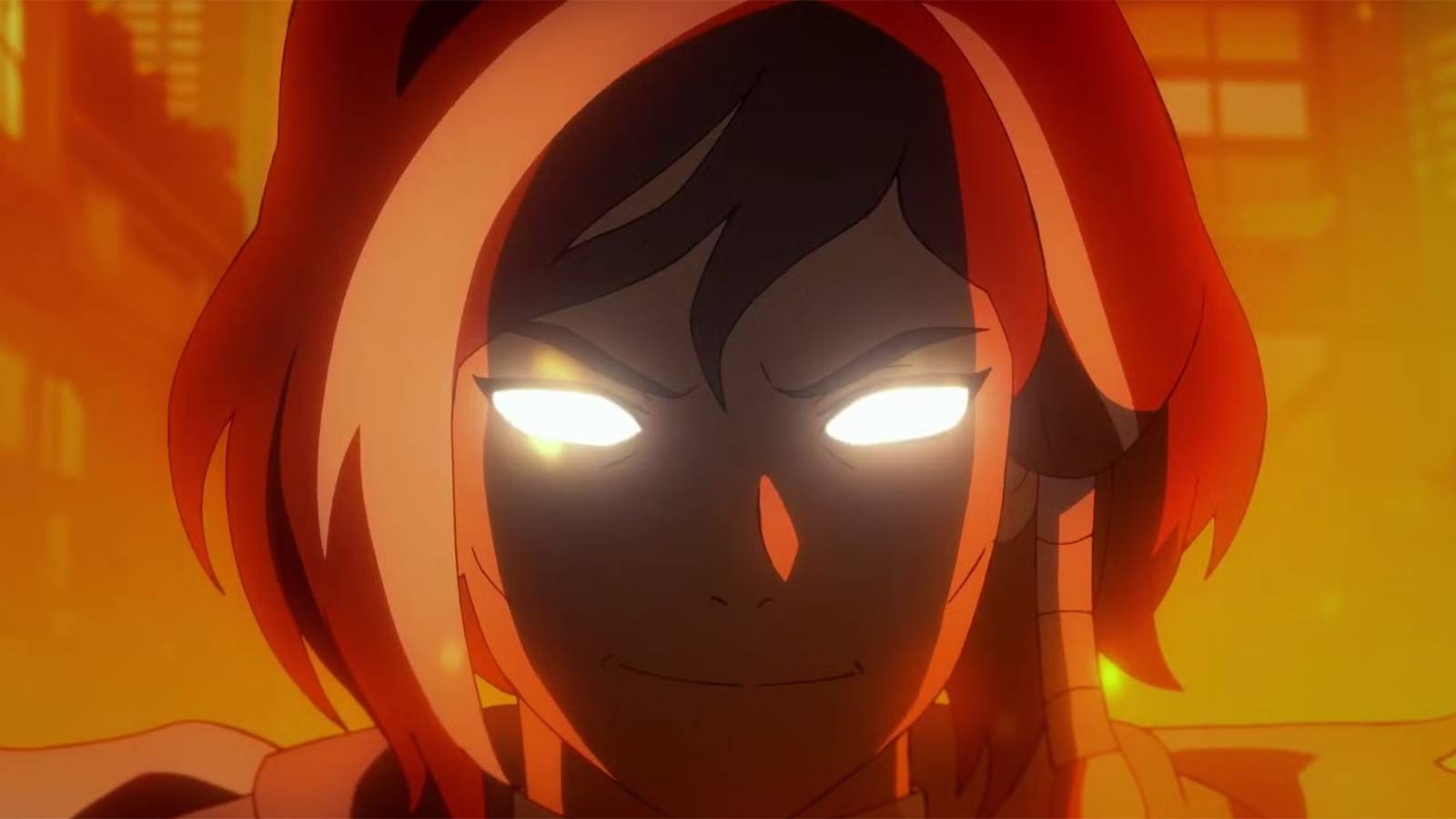
Netflix even followed up with a standalone special featuring two tales: "Dream of a Thousand Cats," an animated story about a cat who dreams of meeting Morpheus, and "Calliope," where Morpheus frees his former wife from a cruel author. These episodes kept fans engaged and stayed true to the show's unique charm.
Season 2 Lost the Plot
But when The Sandman returned for Season 2, it felt like a different show. The season leaned heavily into serialized storytelling, pitting Morpheus against Lucifer (Gwendoline Christie) and introducing more of the Endless, including Death (Kirby Howell-Baptiste). While the stakes were epic, the pacing was rushed, racing through major comic storylines without the careful attention that made Season 1 shine. Netflix's decision to split the season into two "volumes" only made matters worse, leaving fans and critics feeling unsatisfied.
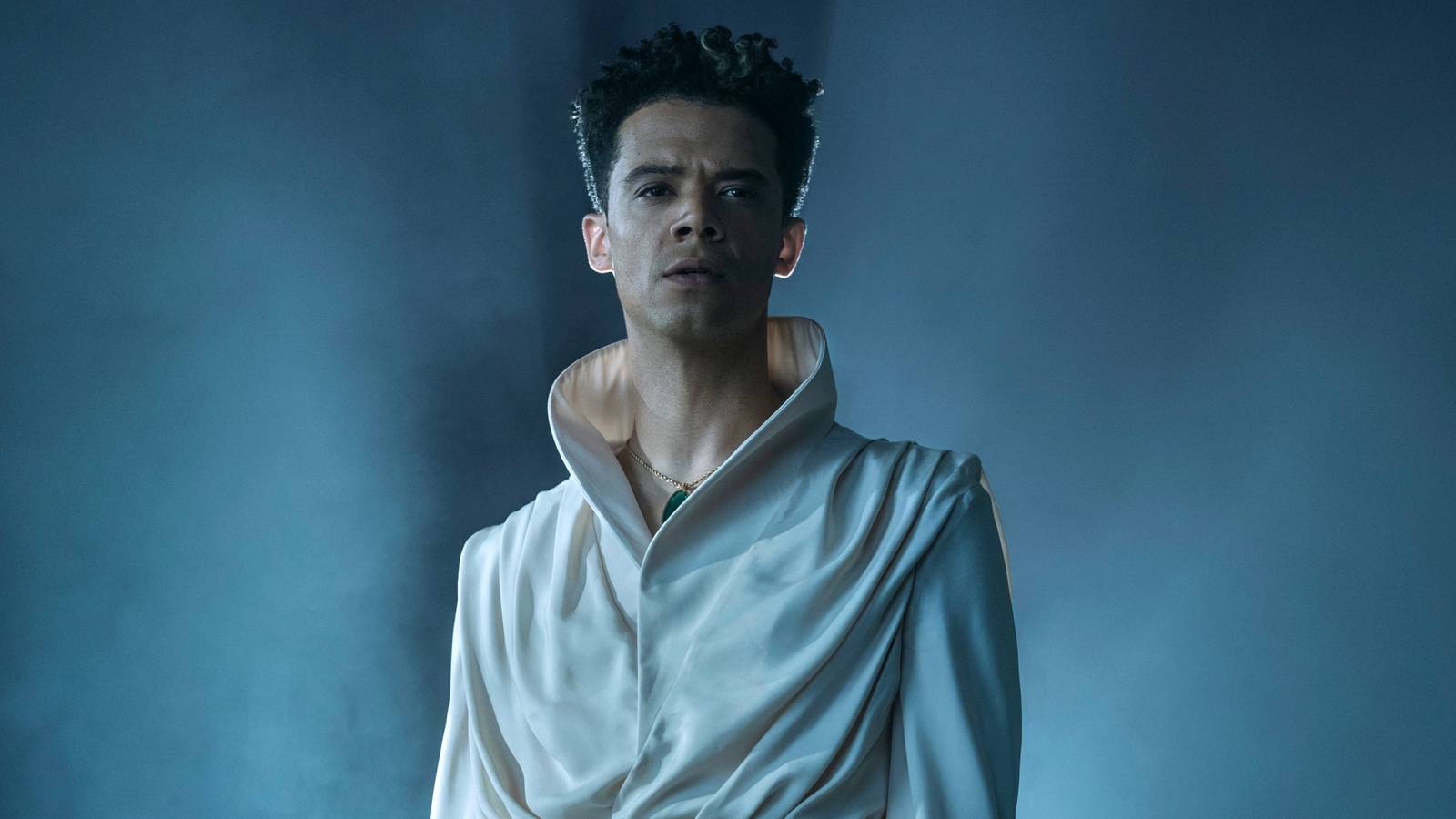
Producer Allan Heinberg has expressed a desire to continue the series, saying, "I could happily go on writing 'Sandman' forever because you can write about anything. You can tell any kind of story in any genre, and you can do it intelligently, elegantly and passionately." He also hinted at future possibilities, such as Daniel Hall (Jacob Anderson) taking over as Dream, but the show's fate remains uncertain.
If The Sandman ever returns, it should look back at what made its debut so special. The standalone episodes were a breath of fresh air, and the series would benefit from embracing that format again. For now, it stands as a cautionary tale about the importance of pacing in fantasy storytelling. For more on the genre, check out the best fantasy miniseries ever made or explore fantasy worlds that redefine worldbuilding.