World War II movies are almost always intense by nature—the largest global conflict in history doesn't exactly lend itself to lighthearted fare. But some films push that intensity to the limit, whether through brutal combat sequences, psychological dread, or the sheer weight of historical tragedy. Here are the most intense WWII movies ever made, ranked.
10. 'The Dirty Dozen' (1967)
This classic war-heist hybrid follows a group of condemned criminals who are offered a chance at redemption—or at least a less ignoble death—by undertaking a suicide mission behind enemy lines. The setup is pure adrenaline, with the training sequences building to a chaotic, violent finale. It's a template that's been copied countless times, but few have matched its raw energy.

9. 'Downfall' (2004)
Set in Hitler's bunker during the final days of the Third Reich, Downfall is a masterclass in mounting dread. Even knowing the outcome, the film's claustrophobic tension and unflinching portrayal of Nazi leadership make it a grueling watch. It's famous for its memes, but the original film is a devastating portrait of collapse.
8. 'The Great Escape' (1963)
This epic POW escape saga runs nearly three hours but never drags. The tension is relentless as Allied prisoners plot their breakout from a supposedly inescapable camp. It's both thrilling and sobering, balancing escapist entertainment with the real costs of war.
7. 'Letters from Iwo Jima' (2006)
Clint Eastwood's companion piece to Flags of Our Fathers tells the Battle of Iwo Jima from the Japanese perspective. It's a deeply empathetic and emotionally devastating film that confronts the inevitability of death with surprising humanity. The intensity here is more psychological than visceral, but no less powerful.
6. 'Dunkirk' (2017)
Christopher Nolan's immersive take on the Dunkirk evacuation is a sensory assault. Using interlocking timelines and minimal dialogue, the film creates a constant state of anxiety. It's less about character than about the experience of being trapped on a beach with enemy fire closing in—a unique and nerve-wracking approach to war cinema.
5. 'Come and See' (1985)
Often cited as one of the most harrowing films ever made, Come and See follows a young boy in Nazi-occupied Belarus. Its surreal, nightmarish imagery and unrelenting brutality make it an almost unbearable watch. This is not entertainment; it's a descent into the hell of war, and it leaves a permanent scar.
4. 'Saving Private Ryan' (1998)
The opening Omaha Beach sequence remains one of the most intense combat scenes in cinema history. Steven Spielberg's film doesn't let up from there, following a squad on a dangerous mission to bring one soldier home. The violence is graphic and unflinching, but it serves a deeper purpose: honoring the sacrifice of the Greatest Generation.
3. 'The Battle of Okinawa' (1971)
This Japanese epic depicts the brutal final campaign of the Pacific War. It's a sprawling, chaotic film that doesn't shy away from the horrors of close-quarters combat and the desperation of both sides. The intensity comes from its sheer scale and the knowledge that this battle was a preview of what an invasion of Japan would have looked like.
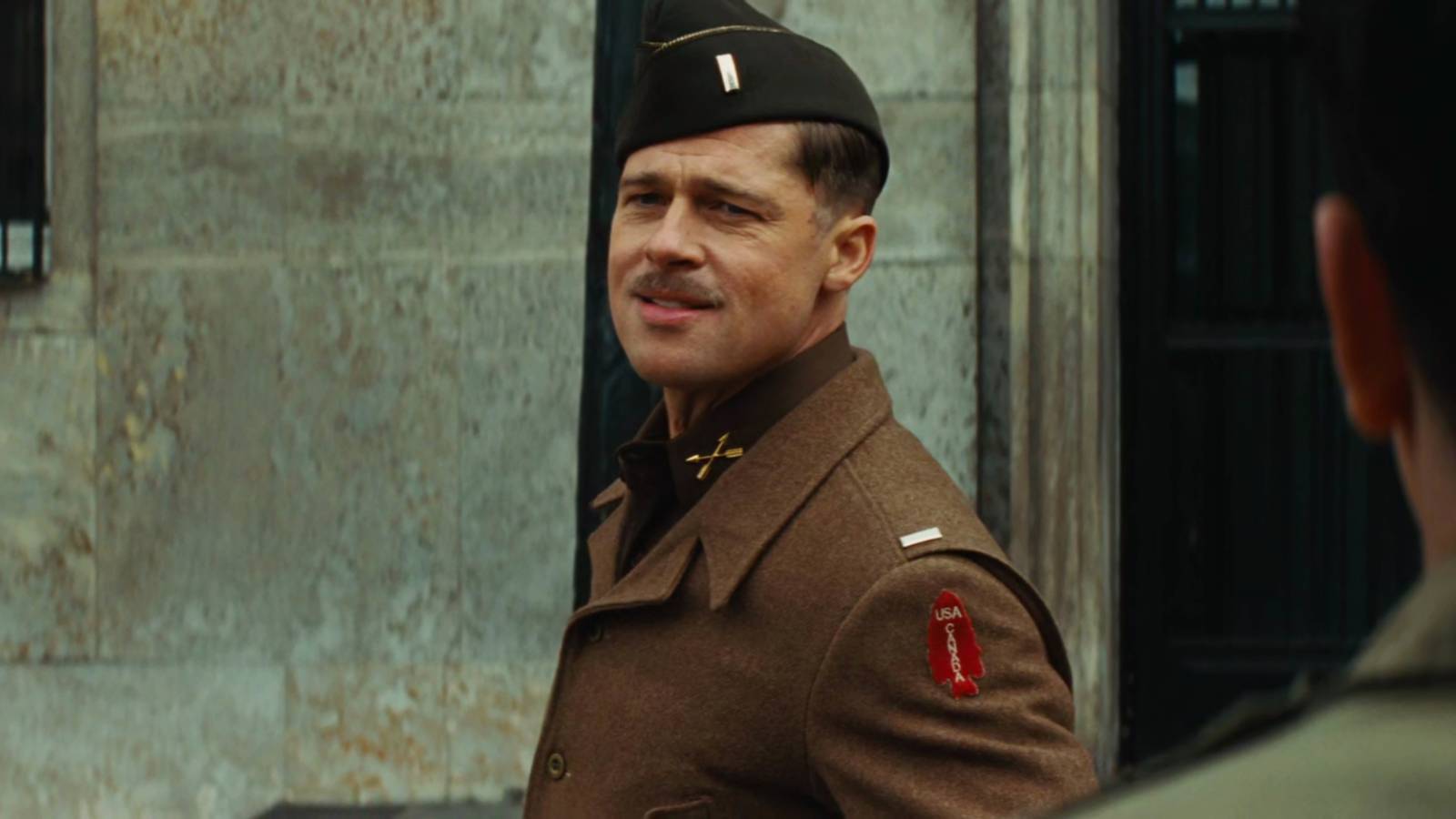
2. 'Inglourious Basterds' (2009)
Quentin Tarantino's revisionist war fantasy is a masterclass in suspense. The opening scene alone—a tense conversation between a Nazi colonel and a French farmer—is more gripping than most entire movies. The film balances dark humor with shocking violence, creating a unique kind of intensity that's both thrilling and unsettling.
1. 'Come and See' (1985)
Yes, it appears twice because nothing tops it. Come and See is the most intense WWII movie ever made, period. Its blend of surrealism, realism, and unrelenting horror creates an experience that's less a film and more a trauma. It's not for the faint of heart, but it's essential viewing for anyone who wants to understand the true cost of war.
For more on the best of war cinema, check out our ranking of the most flawless westerns of the 21st century and our list of the best fantasy epic movies of the past 50 years.