Violence is an uncomfortable subject, but in horror cinema, it can be a powerful tool to explore the darkest corners of the human psyche. While some films use gore purely for shock value, the most effective ones weave brutality into a meaningful narrative, using it to comment on society, politics, or human nature. The following films are not for the faint of heart—they push boundaries with relentless bloodshed, graphic torture, and psychological torment. Yet, they stand out because their violence serves a purpose, making them unforgettable examples of extreme horror.
8. The Purge (2013)
James DeMonaco's dystopian thriller introduced a chilling concept: for 12 hours each year, all crime is legal, including murder. The film follows the wealthy Sandin family as they fight to survive a home invasion during the annual Purge. Starring Ethan Hawke and Lena Headey, the movie was a commercial hit despite mixed reviews, criticized for its heavy-handed allegories. However, its claustrophobic tension and graphic violence have made it a favorite among fans of brutal horror-thrillers. The film's depiction of societal breakdown and the lengths people will go to survive is both disturbing and thought-provoking.

7. Confessions (2010)
Tetsuya Nakashima's Japanese psychological thriller is a masterclass in emotional violence. Based on Kanae Minato's novel, it follows Yuko, a teacher whose young daughter is murdered by her students. Instead of physical gore, the film delivers cold, calculated revenge that psychologically devastates everyone involved. Takako Matsu's performance is haunting, and the film's exploration of grief and vengeance is more brutal than any bloodshed. It's a gut-wrenching experience that lingers long after the credits roll, earning its place among the most violent films in terms of emotional impact.
6. Hostel (2005)
Eli Roth's controversial horror follows three backpackers in Europe who stumble upon a hostel that promises debauchery but delivers unimaginable torture. The film's graphic depiction of sadistic violence sparked debates about the limits of on-screen gore. Yet, Roth's work is more than just shock—it's a dark commentary on exploitation and the commodification of human life. Hostel has since become a cult classic, influencing a wave of torture-horror films. Its brutal set pieces are unforgettable, making it a landmark in extreme cinema.
5. Saw III (2006)
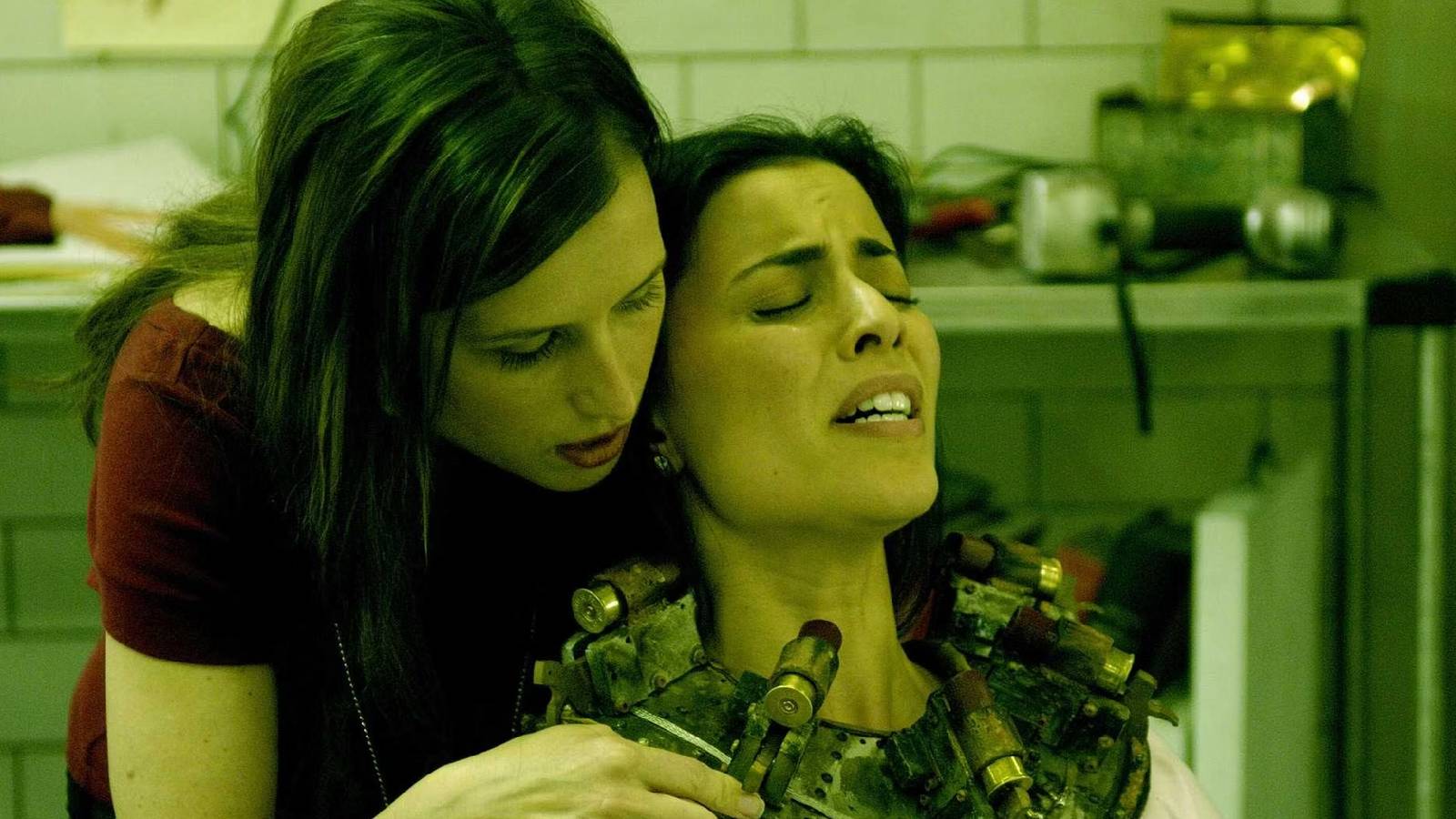
The third installment in the Saw franchise takes the series' signature traps to new levels of brutality. Jigsaw, played by Tobin Bell, is dying, and his apprentice Amanda must keep a doctor alive to save him. Meanwhile, Jeff is put through a series of gruesome tests to confront his grief. The film's violence is relentless, but it's tied to themes of morality, sacrifice, and the consequences of one's actions. Saw III is a visceral experience that challenges viewers to question their own ethics, making it more than just a gorefest.
4. The Hills Have Eyes (2006)
Alexandre Aja's remake of Wes Craven's classic is a brutal survival horror about a family attacked by mutated cannibals in the desert. The violence is unflinching, with graphic rape, torture, and murder. But the film uses this brutality to explore themes of family, revenge, and the monstrous nature of humanity. The stark desert setting amplifies the sense of isolation and hopelessness. It's a harrowing watch, but its social commentary on nuclear testing and its aftermath adds depth to the horror.
3. Martyrs (2008)
Pascal Laugier's French extremity masterpiece is widely considered one of the most disturbing films ever made. It follows a young woman who seeks revenge on those who tortured her as a child, only to uncover a secret society that seeks to transcend suffering. The film's violence is relentless and graphic, but it's in service of a philosophical exploration of pain, transcendence, and the human condition. Martyrs is not just shocking—it's a profound and haunting meditation on the nature of suffering, making it a landmark in extreme horror.
2. A Serbian Film (2010)
This controversial Serbian horror is infamous for its extreme depravity, including graphic sexual violence and child abuse. Directed by Srdjan Spasojevic, it follows a retired porn star who agrees to one last film, only to be drawn into a nightmare of exploitation. The film's violence is deliberately provocative, intended as a political allegory about Serbia's past. While many find it unwatchable, its defenders argue it's a powerful critique of totalitarianism and the exploitation of innocence. It remains one of the most banned and debated films in horror history.
1. Cannibal Holocaust (1980)
Ruggero Deodato's found-footage horror is the ultimate in violent cinema. It follows a documentary crew that goes missing in the Amazon, and the footage they left behind reveals their horrific fate at the hands of cannibal tribes. The film's graphic violence, including real animal killings, caused it to be banned in many countries. Yet, it's also a biting satire on media sensationalism and the exploitation of indigenous cultures. Cannibal Holocaust remains a benchmark for extreme cinema, challenging viewers to confront their own complicity in violence.
These films are not for everyone, but they represent the pinnacle of violence in horror, using gore to explore profound themes. Whether it's social commentary, psychological torment, or philosophical questions, each film proves that violence can be more than just shock—it can be art. For more on the genre, check out our list of flawless horror films from the 2010s or explore joyful Pixar movies for a lighter watch.