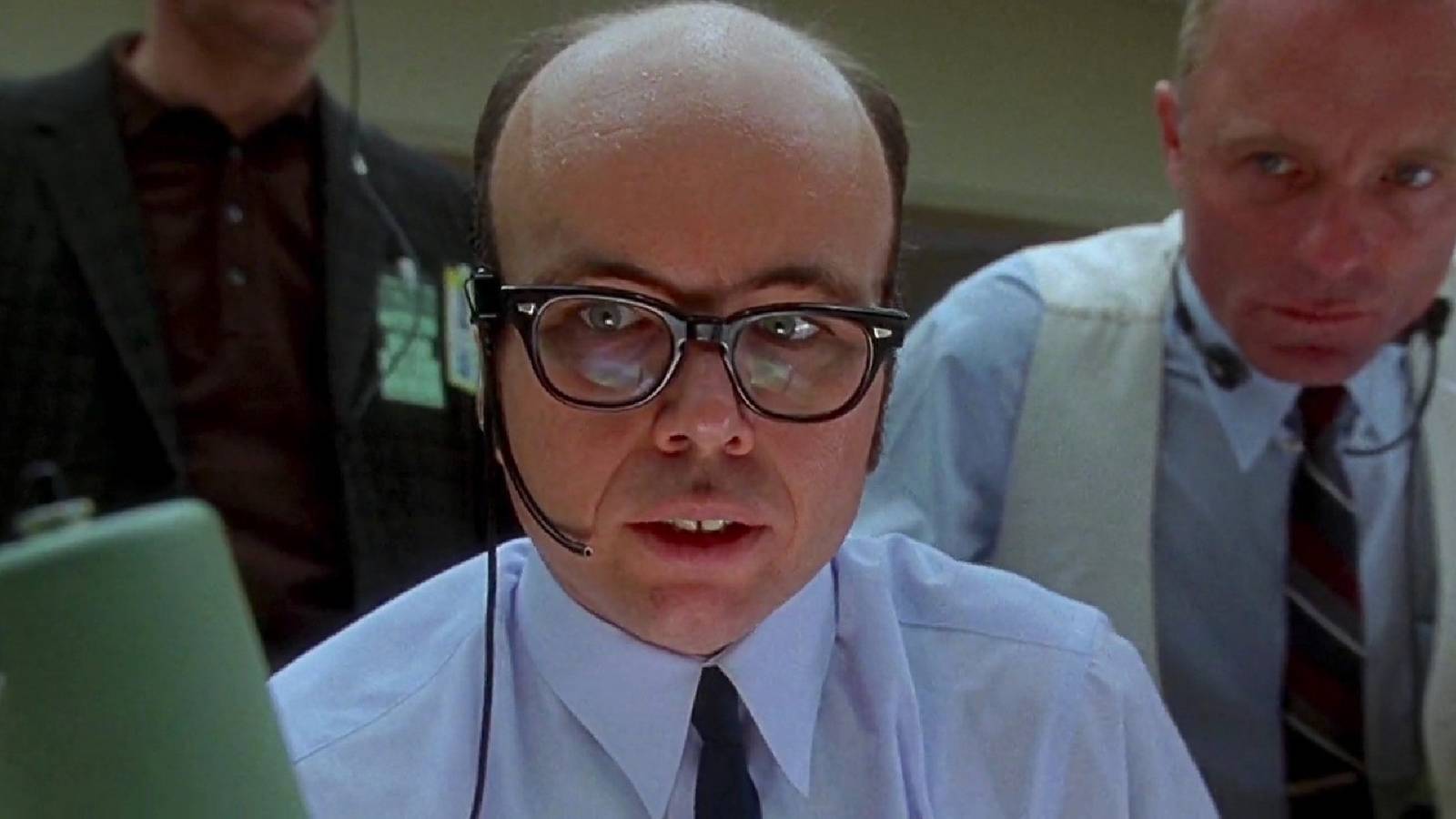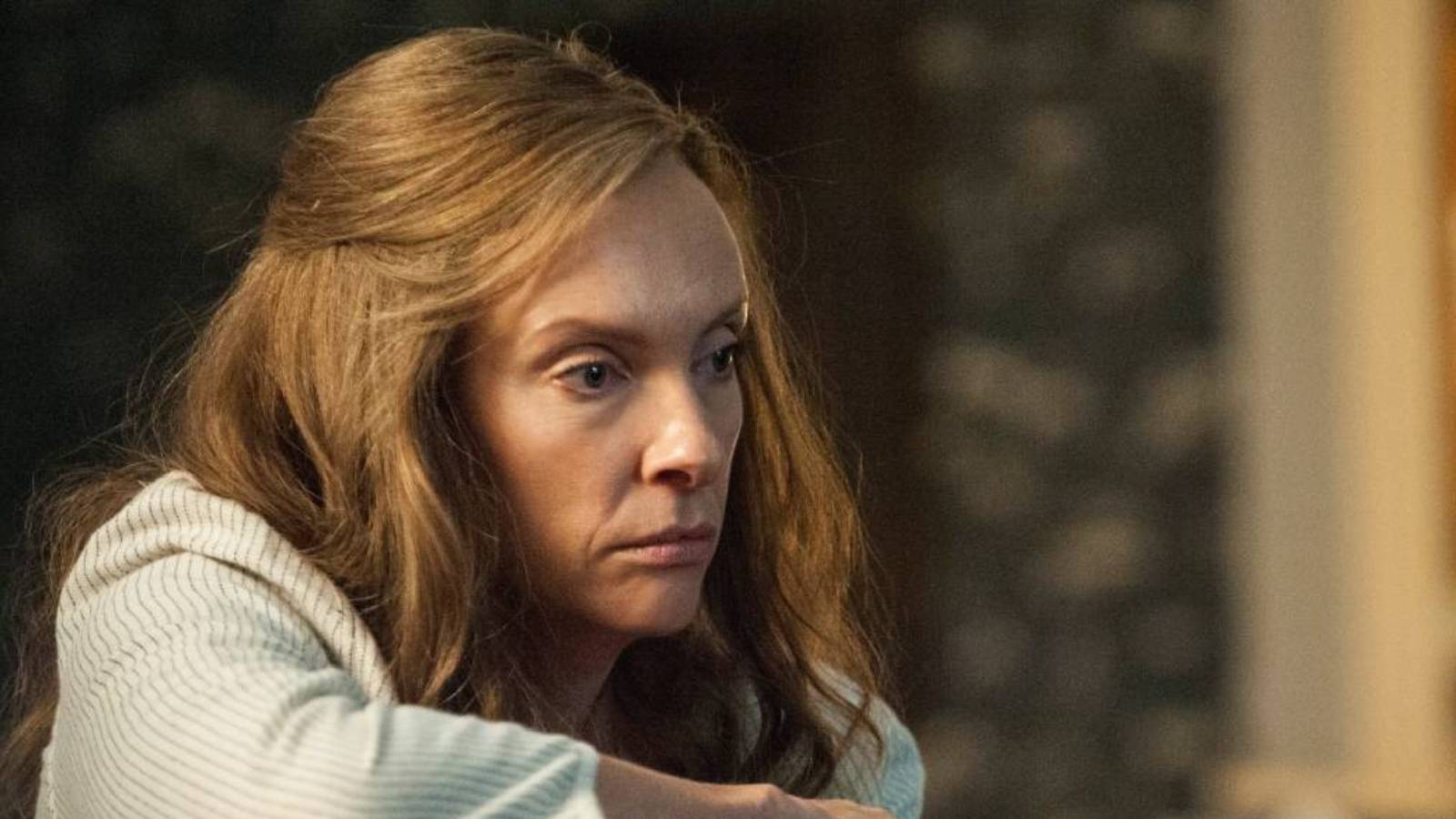
There's a special kind of horror movie that turns viewers into insufferable evangelists. You find yourself defending a subtle sound cue, insisting that the camera lingering on an empty doorway for three extra seconds is pure genius. Someone calls it "pretty good," and suddenly you're explaining why that dinner scene, that goat, that teacup, or that horrifying shape near the ceiling has lived rent-free in your head for years. That level of devotion usually means the film got nearly everything right.
Horror is brutally unforgiving when it comes to perfection. One stupid explanation can shrink a nightmare. One cheap jump scare can break the spell. The six films below somehow keep their nerve. They know exactly what to show, what to hide, when to let the audience laugh, and when to leave a terrible image sitting there long enough that looking away feels like surrender. Let's dive in.
6. Train to Busan (2016)
A father who has been failing his daughter in small, ordinary ways boards a train with her to Busan, and the country begins collapsing before they get there. Train to Busan barely needs time to establish the rules. The infected move fast, attack in swarms, and react to sight in ways that passengers gradually learn to exploit. Suddenly glass doors, train cars, tunnels, and luggage racks become survival tools.
The reason the movie hits harder than most zombie stories is that selfishness becomes just as dangerous as infection. Seok-woo (Gong Yoo) begins the trip thinking almost entirely in terms of protecting himself and Su-an (Kim Su-an). Sang-hwa (Ma Dong-seok), the enormous husband everyone immediately trusts in a crisis, approaches survival with a completely different instinct. Then Yon-suk (Kim Eui-sung) keeps proving how much damage one frightened man with social authority can cause. The station sequences are terrific, the bathroom maneuver is clever, and that run through packed train cars still makes you tense even when you know exactly who is waiting behind each door. It is a crowd-pleaser with teeth.
5. It Follows (2014)
The horror arrives after sex, gets explained with almost embarrassing bluntness, and then starts walking. That is the genius-level simplicity behind It Follows. Jay (Maika Monroe) learns that something will pursue her continuously, taking the form of different people, and the only way to redirect it is to pass the curse to someone else. No elaborate mythology arrives to make the situation comfortable.
So you start scanning backgrounds like a paranoid person. Is that old woman supposed to be there? Why is that guy walking directly toward the camera? Why is nobody else reacting? The creature's slow pace becomes worse than running would be because it turns distance into temporary relief rather than safety. Even Detroit feels slightly unstuck in time, with old cars, strange technology, and empty neighborhoods making normal life harder to place. The tall man entering the bedroom is still one of the nastiest visual jolts of the decade. The movie teaches you how to fear someone simply walking toward you, then lets your own imagination keep doing the work.
4. The Wailing (2016)
For a surprisingly long time, The Wailing lets Jong-goo (Kwak Do-won) be kind of a mess. He is a small-town policeman, scared easily, slow to understand what is happening around him, and hardly the guy you would choose when villagers start becoming violently ill after a mysterious Japanese stranger (Jun Kunimura) arrives nearby. The early investigation even has enough dark comedy to make the eventual dread feel like it sneaked in through a side door.
Then Jong-goo's daughter Hyo-jin (Kim Hwan-hee) starts changing, and every explanation becomes dangerous. The stranger may be responsible. The shaman Il-gwang (Hwang Jung-min) may be helping. The mysterious woman in white (Chun Woo-hee) may know the truth. Or somebody may be lying in a way Jong-goo cannot afford to misread. The long ritual sequence is incredible partly because two separate spiritual acts unfold with enough force that deciding who is attacking whom becomes almost impossible. This is the rare horror movie where confusion does not feel like missing information. It feels like the trap itself. You keep wanting Jong-goo to make one correct choice, and the movie keeps making certainty harder to earn.
3. The Witch (2015)
A baby disappears during a game of peekaboo. The film cuts away and shows you, with horrifying clarity, that the family's worst fears are nowhere near imaginative enough. From there, The Witch settles around an isolated Puritan family already capable of destroying itself without supernatural assistance.
Thomasin (Anya Taylor-Joy) is old enough to become the target whenever crops fail, siblings misbehave, or her parents need somewhere to put their fear. The twins talk to Black Phillip as if the family goat is a perfectly reasonable conversational partner. Caleb (Harvey Scrimshaw)'s encounter in the woods becomes deeply uncomfortable long before his feverish return home turns the household into religious panic. The period language and severe setting never create distance because the family arguments are painfully recognizable. And the final shot, with Black Phillip's offer hanging in the air, remains one of the most chilling endings in modern horror. It's a slow burn that earns every ounce of its dread.
2. Get Out (2017)
Jordan Peele's directorial debut is a masterclass in social horror, blending razor-sharp satire with genuine terror. Chris (Daniel Kaluuya) visits his white girlfriend's family estate, where the polite smiles and awkward conversations slowly curdle into something far more sinister. The film works on multiple levels: it's a gripping thriller, a biting commentary on race in America, and a horror movie that never loses its grip.
Every element is meticulously crafted, from the unsettling performances (especially Allison Williams's Rose and Bradley Whitford's Dean) to the iconic "sunken place" imagery. The film's genius lies in its ability to make you laugh and squirm in the same scene, then hit you with a twist that recontextualizes everything. The final act, with Chris's escape and the police car's arrival, is a gut-punch that lingers long after the credits. Get Out isn't just a great horror movie; it's a cultural touchstone that redefined the genre for a new generation.
1. Hereditary (2018)
Ari Aster's debut is a family tragedy that spirals into something far more terrifying. When the matriarch of the Graham family dies, her daughter Annie (Toni Collette) begins to uncover disturbing secrets about her ancestry. What follows is a slow, agonizing descent into madness and supernatural horror that feels almost unbearable to watch.
Collette delivers a performance for the ages, capturing grief, rage, and terror with raw intensity. The film's imagery—the miniature dioramas, the naked figures in the corners, the final crown—is seared into your memory. Aster's direction is precise, building tension through long takes and unsettling sound design. The infamous car scene, the beheading, the attic reveal—each moment is crafted to maximize dread. Hereditary is not just a horror movie; it's an experience that leaves you shaken, questioning everything you thought you knew about family, grief, and the devil. It's the most perfect horror film of the decade because it refuses to let you go.