War has inspired some of the most powerful and devastating literature ever penned. While many stories focus on heroism and valor, the most honest accounts often dwell on the futility, trauma, and sheer hopelessness of armed conflict. These novels don't shy away from the psychological scars and the absurdity of war, offering readers a visceral, unflinching look at humanity's darkest moments.
From the satirical chaos of Joseph Heller's Catch-22 to the haunting realism of Tim O'Brien's The Things They Carried, these books are not easy reads. They are, however, essential for understanding the true cost of war. Here are the most hopeless war books of all time, ranked by their sheer emotional weight and despair.

7. Catch-22 (1961)
Joseph Heller's debut novel is a satirical masterpiece set during World War II. The story follows Captain John Yossarian, a U.S. Army Air Forces bombardier stationed on the Mediterranean island of Pianosa, as he tries to maintain his sanity amidst the absurdities of military life. The book's title comes from a bureaucratic catch: a soldier can be grounded if insane, but asking to be grounded proves they're sane enough to fly. This paradox encapsulates the maddening logic that grinds away at soldiers' minds.
While Catch-22 is undeniably bleak, its dark humor and wit provide a counterbalance, which is why it doesn't rank higher on this list. It's a brilliant satire of military bureaucracy and a profound commentary on the insanity of war.
6. The Things They Carried (1990)
Tim O'Brien's semi-autobiographical collection of linked short stories is based on his experiences in the Vietnam War. The book follows a fictional platoon of American soldiers, exploring themes of love, loss, trauma, and the power of storytelling. O'Brien blurs the lines between fiction and reality, delivering a deep truth about the emotional weight soldiers carry long after the battle ends.
The book has received near-universal acclaim since its publication, becoming a finalist for the Pulitzer Prize and the National Book Critics Circle Award. Its raw, unflinching portrayal of the psychological toll of war makes it one of the most devastating reads on this list.
5. Slaughterhouse-Five (1969)
Kurt Vonnegut's genre-blending anti-war novel is partially inspired by his own experiences as a prisoner of war during the bombing of Dresden. The story follows Billy Pilgrim, a soldier who becomes "unstuck in time" after an encounter with aliens. His trauma from surviving the Dresden bombing leads him to adopt a fatalistic worldview, where death loses all meaning.
Slaughterhouse-Five is a highly original work that uses science fiction to process the author's personal trauma. It was Vonnegut's first bestseller and has been both acclaimed and banned in various places, including as recently as 2024. Its bleak, existential despair is a powerful testament to the horrors of war.
4. A Farewell to Arms (1929)
Ernest Hemingway's novel is set during World War I and follows Frederic Henry, an American medic serving in the Italian Army. The story centers on his romance with English nurse Catherine Barkley, which provides a glimmer of hope amidst the brutality of war. Frederic eventually deserts the army to start a new life with Catherine in Switzerland.
Unlike many war novels, A Farewell to Arms offers a semblance of hope through love and family. However, that hope is cruelly snatched away in a painfully ordinary manner, making the ending all the more heartbreaking. It's a tragic war romance that has been adapted into films, a play, and a TV miniseries, and it remains one of Hemingway's greatest works.
3. All Quiet on the Western Front (1929)
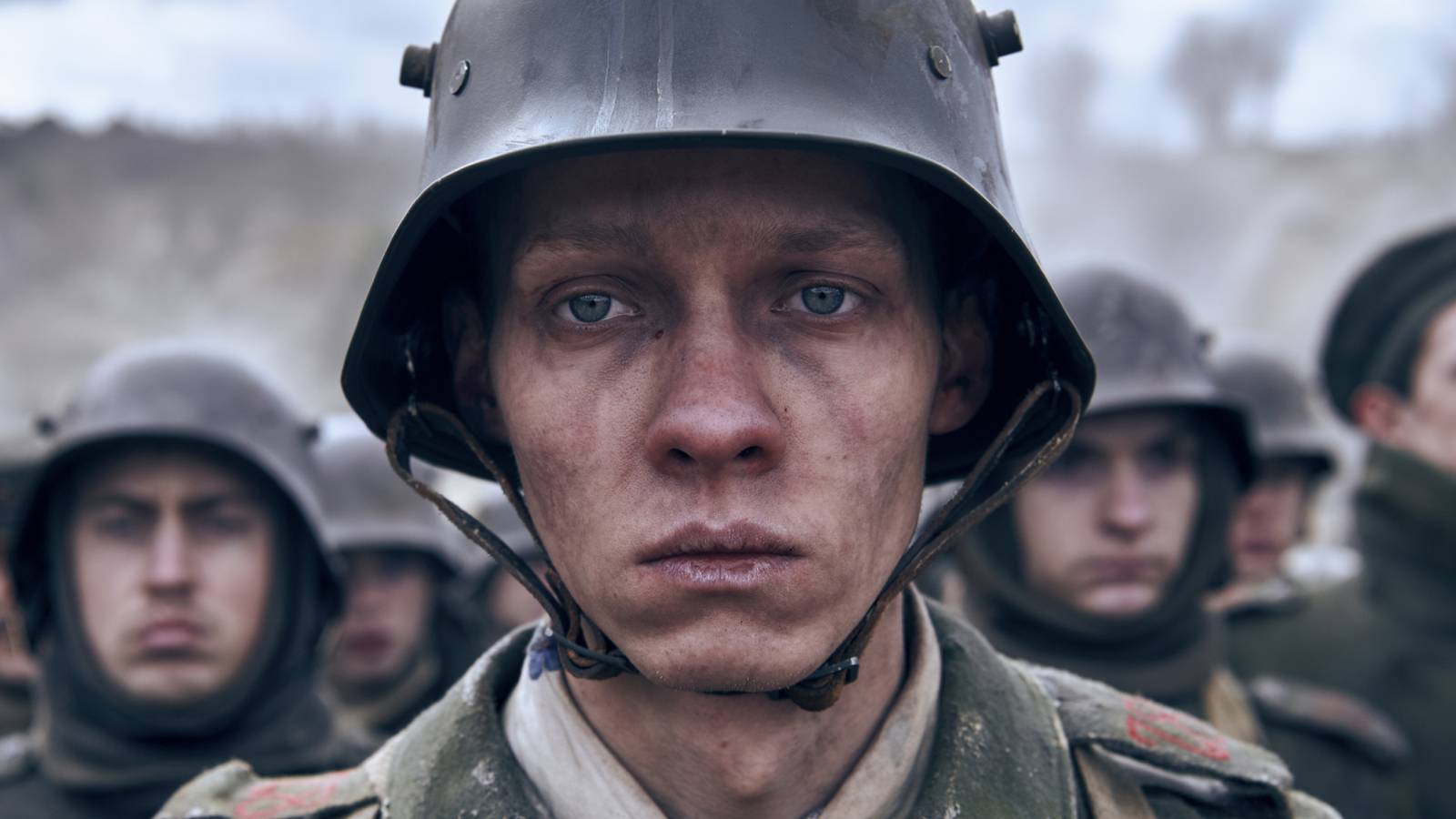
Erich Maria Remarque's novel is a harrowing account of World War I from the perspective of a young German soldier, Paul Bäumer. The book follows Paul and his comrades as they endure the relentless horrors of trench warfare, facing not only the enemy but also the disillusionment and despair that come with the realization that war is not the glorious adventure they were promised.
The novel's unflinching depiction of the physical and psychological devastation of war has made it a classic. It was adapted into an Academy Award-winning film in 1930 and again in 2022. All Quiet on the Western Front is a powerful indictment of war, leaving readers with a profound sense of hopelessness about the human cost of conflict.
2. The Naked and the Dead (1948)
Norman Mailer's debut novel is based on his experiences in the Pacific Theater during World War II. The book follows a platoon of American soldiers on a reconnaissance mission on a fictional island, exploring their internal struggles and the brutal realities of combat. Mailer's portrayal of the soldiers' fear, exhaustion, and moral decay is unrelenting.
The novel is notable for its gritty realism and its exploration of the dehumanizing effects of war. It was a critical and commercial success, cementing Mailer's reputation as a major literary figure. The Naked and the Dead is a bleak, unvarnished look at the futility of war and the toll it takes on the human spirit.
1. The Sorrow of War (1991)
Bao Ninh's novel is a semi-autobiographical account of a North Vietnamese soldier during the Vietnam War. The story follows Kien, a young soldier who survives the war but is haunted by the memories of his fallen comrades and the love he lost. The narrative jumps between the past and present, reflecting Kien's fragmented psyche and his struggle to find meaning in a world shattered by war.
The Sorrow of War is considered one of the most powerful anti-war novels ever written. It offers a unique perspective from the Vietnamese side, and its unflinching portrayal of the psychological aftermath of war is devastating. The book's title says it all: it is a profound meditation on sorrow, loss, and the impossibility of escaping the past. It is, without a doubt, the most hopeless war book on this list.
These novels are not just stories; they are stark reminders of the true cost of war. They challenge us to confront the bleakest aspects of human nature and to question the narratives that glorify conflict. For those seeking a deeper understanding of war's futility, these books are essential reading.