In the world of television, casting consistency varies wildly. Some sprawling epics like Game of Thrones have no single character appear in every installment, while tight-knit sitcoms like Friends feature the entire core group week after week. More commonly, a handful of leads form the constant backbone of a series. But there exists a unique category of shows where the burden of being ever-present falls on just one character's shoulders—everyone else in the cast sits out at least one episode.
The Shows with a Singular Constant
This exclusive club isn't about who gets top billing, but who is physically present in every story. Some series credit multiple actors for a full season run, but a closer look reveals "credit only" appearances. The following ten shows feature a true solo anchor, a character whose journey is the undeniable throughline from pilot to finale.

M*A*S*H (1972–1983)
Alan Alda's Benjamin "Hawkeye" Pierce is the only character to physically appear in all 256 episodes of the legendary wartime comedy-drama. The show's mobile medical unit setting allowed for a rotating door of personnel, but Hawkeye was the constant. His presence was so vital that Season 4 featured an episode titled "Hawkeye," where Alda performed a solo monologue for the entire runtime. While co-star Loretta Swit was credited in every episode, several were "credit only," cementing Hawkeye's unique status.
Angel (1999–2004)
As the titular vampire with a soul, David Boreanaz's Angel is the sole character to appear in every episode of this Buffy spin-off. This is notable, as its predecessor had multiple near-perfect attendance records. The show's high mortality rate and supernatural plotlines—like banishments to other dimensions—made a stable ensemble difficult. Angel even maintained his streak through "Smile Time," an episode where he was transformed into a puppet for most of its duration.
Mad Men (2007–2015)
Jon Hamm's enigmatic ad man Don Draper is the only character present in all 92 episodes of this critically adored drama. While several cast members are credited for the entire series, for everyone except Hamm, there is at least one episode where their appearance is a credit only. Set in the cutthroat world of 1960s advertising, the show may not have had the body count of other dramas, but only Draper's journey was deemed essential for every single chapter.
Curb Your Enthusiasm (2000–2024)
It's almost impossible to conceive of an episode of Curb without Larry David playing a fictionalized, socially chaotic version of himself. The entire premise orbits his misadventures, making him the undeniable core. A rich tapestry of recurring characters—both playing themselves and original creations—populates his world, but their attendance is sporadic. Larry's solo streak mirrors another iconic show he co-created, which we'll explore shortly.
24 (2001–2014)
Kiefer Sutherland's counter-terrorist agent Jack Bauer appeared in a staggering 200+ episodes across the series' run, a feat as superhuman as the character himself. The show's real-time, high-stakes format was notoriously lethal for its supporting cast, with frequent character deaths and shifting allegiances. While others came and went, Bauer was the relentless force driving the narrative forward in every single hour of the day.
The Sopranos (1999–2007)
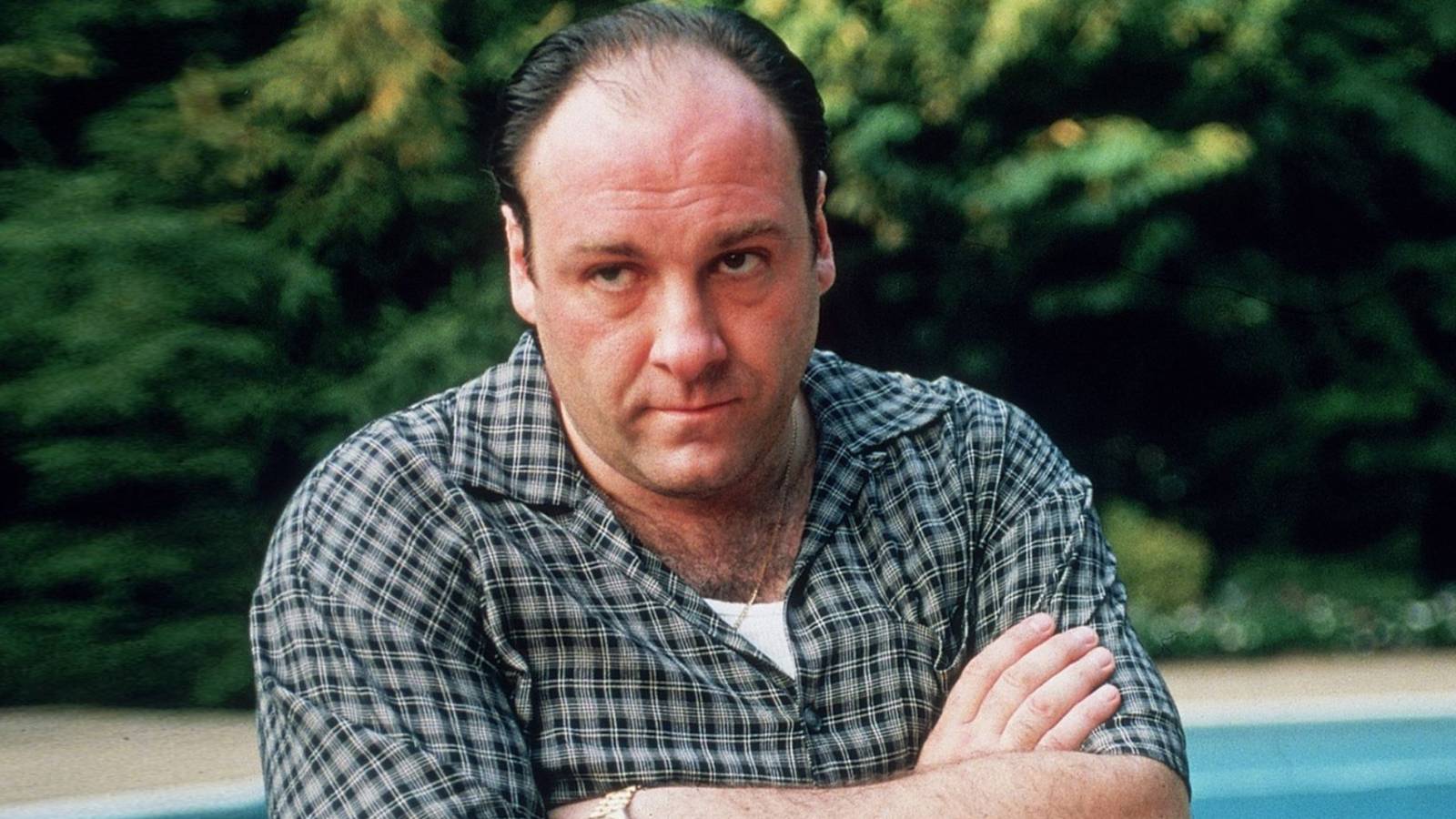
James Gandolfini's Tony Soprano is the axis around which the entire New Jersey mob universe rotates. While the show boasts one of television's greatest ensembles, from family members to rival gangsters, Tony is the only character to appear in all 86 episodes. His therapy sessions, family dinners, and criminal enterprises form the indispensable backbone of the series, a deep character study that required his constant presence. For fans of intense, focused storytelling, this consistency is key.
Seinfeld (1989–1998)
Here's the other Larry David creation: Jerry Seinfeld, playing himself, is the only character in every episode of the "show about nothing." While the iconic quartet of Jerry, George, Elaine, and Kramer feels inseparable, the latter three each missed at least one episode over nine seasons. Jerry's apartment and his stand-up bookends provided the foundational setting, making him the true constant in the world of petty grievances and social satire.
House (2004–2012)
The brilliant and misanthropic Dr. Gregory House, played by Hugh Laurie, is the diagnostic engine that powers every episode. His team at Princeton-Plainsboro Teaching Hospital underwent several shake-ups, with colleagues like Cameron, Chase, and Foreman leaving or being fired at various points. Through all the personnel changes and medical mysteries, House's flawed genius was the non-negotiable element, appearing in all 177 episodes.
Dexter (2006–2013)
Michael C. Hall's Dexter Morgan, the forensic analyst with a dark secret, is the only character to navigate every episode of this serial killer thriller. The nature of the show—involving Dexter's victims, colleagues who become suspicious, and family members who come and go—meant the supporting cast was in constant flux. The audience's intimate, unsettling connection with Dexter's inner monologue and actions required him to be the unwavering point of view.
Monk (2002–2009)
Tony Shalhoub's Adrian Monk, the detective with obsessive-compulsive disorder, is the singular star in every episode of this mystery series. While he had dedicated assistants and police captains who helped him solve cases, their tenures were not continuous. Monk's unique perspective and psychological challenges were the show's central, unchanging premise, making his presence in every episode essential. For viewers who love a binge-worthy character-driven story, Monk's journey is a classic.
These series demonstrate that while a strong ensemble is valuable, there's a unique power in a narrative built relentlessly around one character's perspective. It creates an intense, focused bond between the viewer and the protagonist, making their journey the undeniable heartbeat of the show. From war zones to ad agencies, these lone stars proved they could carry the weight of an entire series on their shoulders, episode after episode.