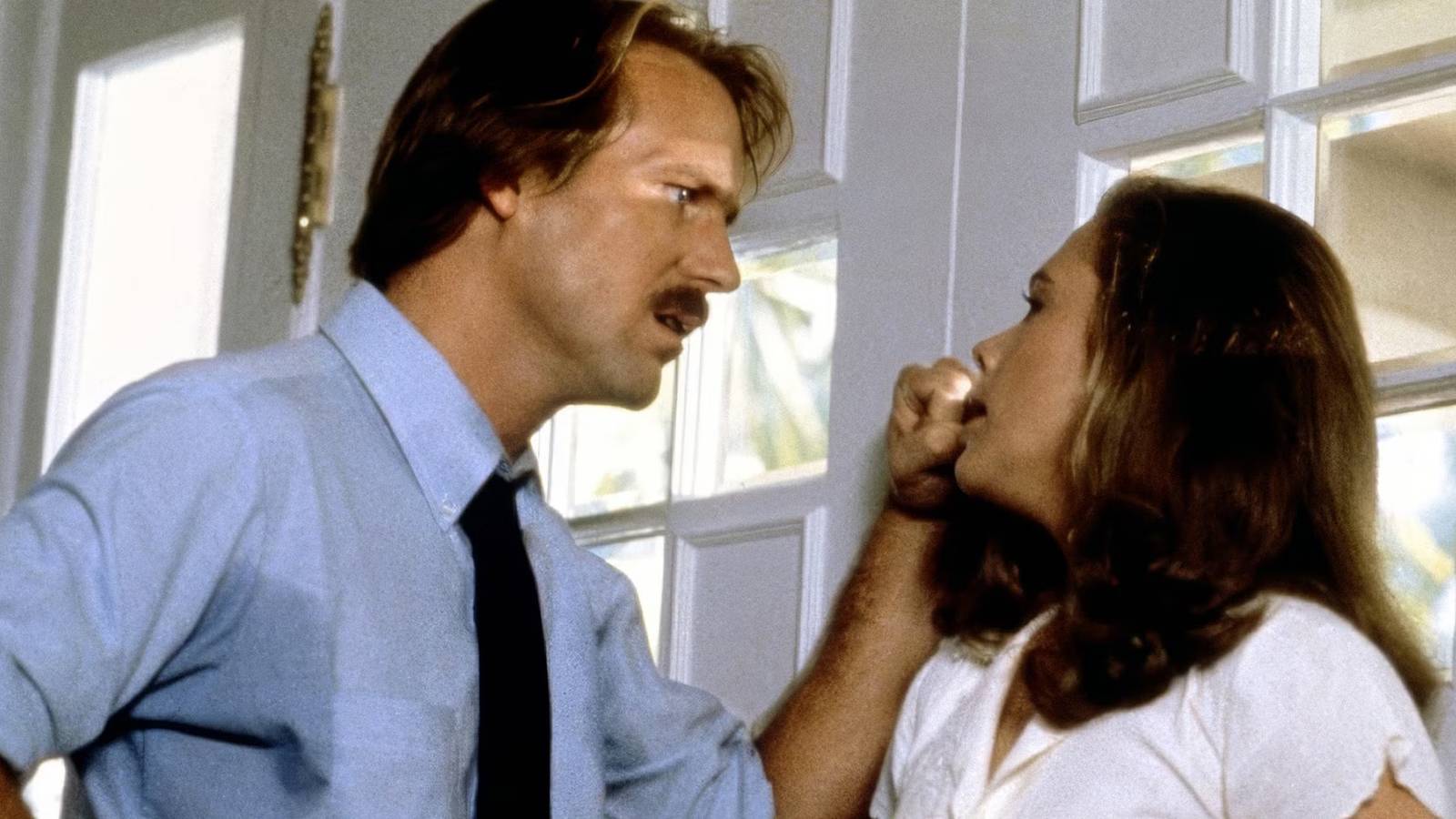
Spike Lee's 2006 crime thriller Inside Man, starring Denzel Washington, remains a modern classic, celebrated for its sharp direction and gripping heist narrative. Its legacy is so strong that it's hard to believe a follow-up could slip under the radar. Yet, in 2019, a direct-to-video sequel titled Inside Man: Most Wanted arrived with little promotion and even less of the original's magic, committing the cardinal sin of wasting a stellar talent: Rhea Seehorn.
A Sequel No One Demanded
Following the original film's massive box office success, Universal Pictures and Imagine Entertainment naturally explored sequel possibilities. Early discussions aimed to reunite Spike Lee, writer Russell Gewirtz, and stars Denzel Washington, Clive Owen, and Jodie Foster. However, after years of stalled scripts and funding issues, Lee confirmed the project was shelved. That wasn't the end of the story, though. Over a decade later, the studios quietly produced Inside Man: Most Wanted, bypassing theaters entirely for digital release.

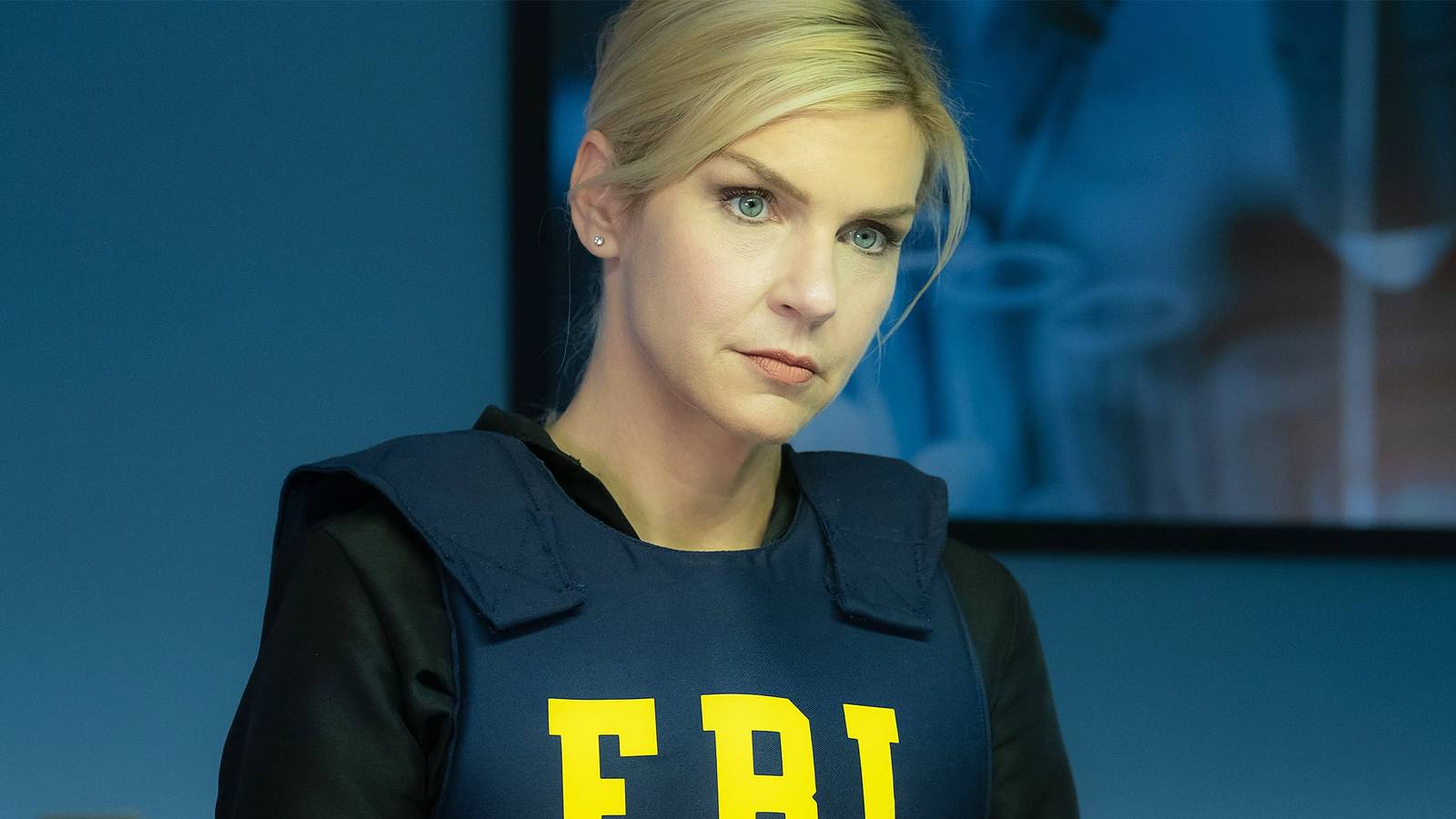
Directed by M.J. Bassett instead of Spike Lee, the sequel featured an almost entirely new cast. The one notable exception was Rhea Seehorn, who by 2019 had earned widespread critical acclaim for her nuanced portrayal of Kim Wexler on Better Call Saul. Her casting in this obscure project immediately raised eyebrows among fans who recognized her as one of television's most compelling actors.
Seehorn's Thankless Role
In Most Wanted, Seehorn plays FBI hostage negotiator Dr. Brynn Stewart, who teams with an NYPD counterpart (Aml Ameen) when a new crew, led by Ariella Barash (Roxanne McKee), attempts to rob the Federal Reserve Bank. The plot clumsily ties back to the first film's villain, Arthur Case, but without the original's creative team or star power, the connection feels hollow and cheap.
The film's greatest flaw is its inability to escape the shadow of its superior predecessor, constantly reminding viewers of what they're missing. It lacks the crackling tension and charismatic performances that defined the original, instead offering generic set pieces and contrived motivations. For an actor of Seehorn's caliber, known for bringing complex emotional depth to her roles, this was a particularly poor fit. Her performance in the dystopian drama Pluribus showcased a captivating gravitas completely absent here, reduced to a standard law enforcement part.
This misstep is part of a pattern where Seehorn's talents have been underutilized in generic action roles, as seen later in films like Bad Boys: Ride or Die. Inside Man: Most Wanted serves as a case study in how to mishandle a rising star, placing her in a narrative that fails to challenge her or engage the audience. It's a far cry from the tightly crafted thrillers that have defined the genre in recent years.
A Forgettable Chapter
Ultimately, Inside Man: Most Wanted feels like a contractual obligation rather than a passionate creative endeavor. It exists in a strange limbo—too connected to the original to stand on its own, yet too devoid of its essence to satisfy fans. The film received minimal attention upon release and has rightly faded into obscurity.
Thankfully, this project remains a minor, confusing footnote in Rhea Seehorn's otherwise impressive career trajectory. It stands as a reminder that not all legacy sequels are created equal, and that even the most talented actors can't salvage a project lacking a compelling vision. For those seeking a proper thriller fix, audiences are better served by checking out current hits like HBO Max's Conclave or revisiting the original Inside Man masterpiece.