The two decades spanning 1980 to 2000 were a transformative period for Hollywood, marked by blockbuster franchises, the rise of indie cinema, and the emergence of visionary directors. This era gave us some of the most enduring films ever made, blending spectacle with artistry in ways that continue to influence modern filmmaking.
Raiders of the Lost Ark (1981)
Steven Spielberg and George Lucas joined forces for the first time to create this iconic adventure, which redefined the action genre. Inspired by classic serials and Lucas's fascination with archaeology, the film follows Indiana Jones (Harrison Ford) as he races against Nazis to find the Ark of the Covenant. Ford's charismatic performance, combined with Spielberg's knack for thrilling set pieces, made it an instant classic. The film's blend of humor, heart, and high-octane action set a new standard for blockbusters.
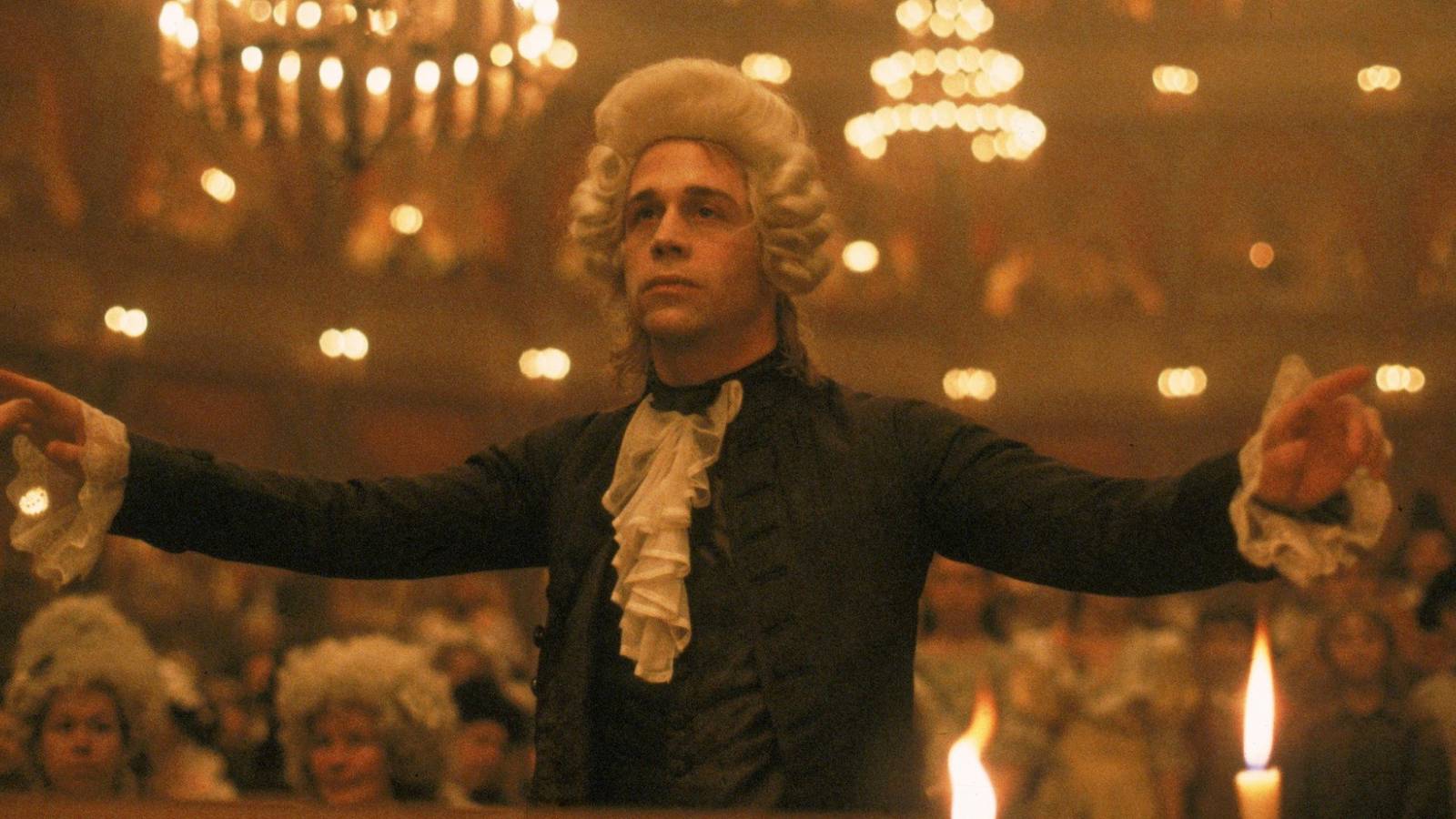
Amadeus (1984)
Milos Forman's masterpiece explores the rivalry between composer Antonio Salieri (F. Murray Abraham) and the prodigious Wolfgang Amadeus Mozart (Tom Hulce). This period drama delves into themes of jealousy, genius, and the cost of artistic obsession. Abraham's Oscar-winning performance is a tour de force, and the film's lavish production design transports viewers to 18th-century Vienna. It remains a profound meditation on creativity and the human condition.
Goodfellas (1990)
Martin Scorsese's gritty mob epic offers an unflinching look at the rise and fall of Henry Hill (Ray Liotta) within the Italian-American mafia. The film's kinetic style, memorable soundtrack, and standout performances—including Joe Pesci's Oscar-winning turn as the volatile Tommy—make it a landmark of American cinema. It's a raw, immersive experience that captures the allure and brutality of organized crime.
Pulp Fiction (1994)
Quentin Tarantino's nonlinear crime saga shattered conventions and became a cultural phenomenon. With its sharp dialogue, eclectic characters, and pop-culture references, the film revitalized indie cinema and made stars of its ensemble cast, including John Travolta, Uma Thurman, and Samuel L. Jackson. Its influence can be seen in countless films and TV shows that followed.
The Shawshank Redemption (1994)
Frank Darabont's adaptation of Stephen King's novella is a poignant tale of hope and friendship set within the walls of a prison. Tim Robbins and Morgan Freeman deliver career-best performances, and the film's emotional depth has made it a perennial favorite. Despite its initial box-office disappointment, it has since been hailed as one of the greatest films ever made.
The Matrix (1999)
The Wachowskis' sci-fi actioner revolutionized visual effects with its groundbreaking "bullet time" sequences and philosophical themes. Keanu Reeves stars as Neo, a hacker who discovers reality is a simulation controlled by machines. The film's blend of martial arts, cyberpunk aesthetics, and mind-bending concepts made it a global sensation and a touchstone for the digital age.
These six films represent the best of an era that pushed boundaries and captivated audiences. For more cinematic gems, check out our list of hard sci-fi movies that redefined the genre or explore action movies that are completely off the rails. And if you're looking for modern classics, see how Apple TV+ has quietly built a library of modern classics.