Film noir is a genre that thrives on shadows, moral ambiguity, and unforgettable style. While its golden age spanned the 1940s and 1950s, its influence has never faded, inspiring countless neo-noir masterpieces. Here, we celebrate the very best of both eras, from timeless classics to modern gems that carry the torch.
The Classic Era: Where It All Began
The genre's foundation was laid in the early 1940s with films like The Maltese Falcon, but it was the post-war period that truly defined its look and feel. These films are characterized by cynical heroes, femme fatales, and a pervasive sense of doom.
10. Out of the Past (1947)
Robert Mitchum stars as a former private eye trying to escape his past, only to be dragged back into a web of deceit and danger. Directed by Jacques Tourneur, this film is a masterclass in atmosphere, with sharp dialogue and a twisty plot that keeps you guessing. Kirk Douglas delivers a memorable performance as the villain, making this a must-watch for any noir fan.
9. Elevator to the Gallows (1958)
This French gem, directed by Louis Malle, is a taut thriller about a man who commits the perfect crime, only to find himself trapped in an elevator while his plan unravels. The film's jazzy score by Miles Davis adds an unforgettable mood, and its influence on later filmmakers like the Coen Brothers is undeniable.
8. The Third Man (1949)
Set in post-war Vienna, this Carol Reed classic follows a writer investigating the mysterious death of his friend, played by Orson Welles. The film's iconic zither score and dramatic canted angles make it a visual and auditory feast. Welles may have limited screen time, but his presence looms large over every frame.
7. Le Samouraï (1967)
Jean-Pierre Melville's stylish hitman thriller stars Alain Delon as a cool, detached assassin whose meticulous world begins to crumble. The film's minimalist approach and deliberate pacing create an almost hypnotic vibe, making it a favorite among cinephiles and a clear influence on directors like John Woo and Jim Jarmusch.
6. Notorious (1946)
Alfred Hitchcock's spy thriller stars Cary Grant and Ingrid Bergman in a tale of love, betrayal, and espionage. The film's famous long take and suspenseful set pieces are pure Hitchcock, and its exploration of moral compromise feels remarkably modern. It's a must-see for anyone interested in the darker side of romance.
Neo-Noir: The Genre's Second Life
As the classic era faded, filmmakers began to reinterpret noir for a new generation, infusing it with contemporary sensibilities and even more complex narratives.
5. Chinatown (1974)
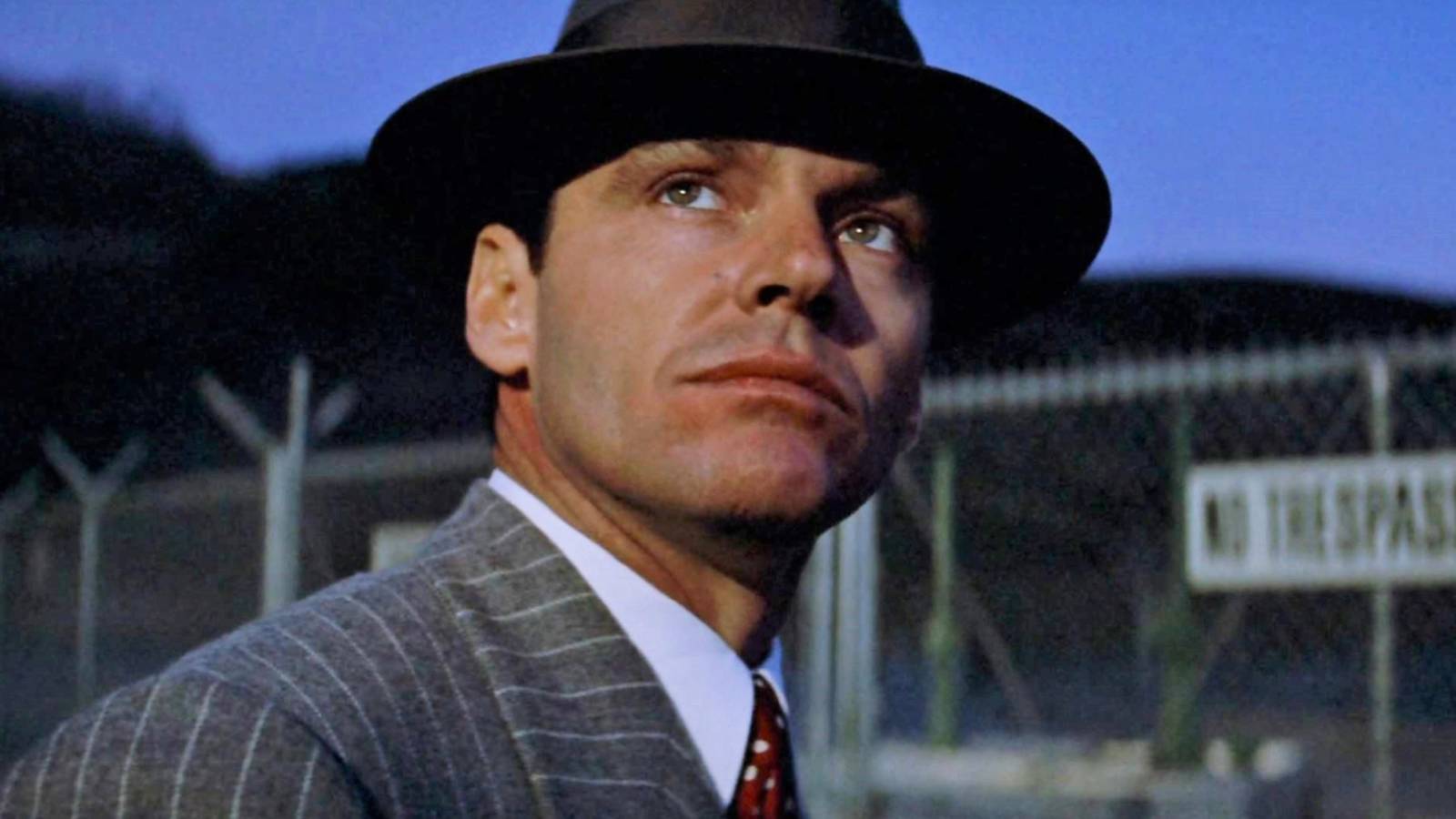
Roman Polanski's neo-noir masterpiece stars Jack Nicholson as a private detective caught in a web of corruption and family secrets. The film's intricate plot, sharp dialogue, and devastating ending make it a benchmark of the genre. It's a film that rewards repeat viewings, revealing new layers each time.
4. Double Indemnity (1944)
Billy Wilder's classic is often cited as the quintessential film noir. Fred MacMurray plays an insurance salesman who conspires with Barbara Stanwyck's femme fatale to murder her husband. The film's cynical worldview and razor-sharp script set the standard for everything that followed.
3. The Big Sleep (1946)
Humphrey Bogart and Lauren Bacall light up the screen in this adaptation of Raymond Chandler's novel. The plot is famously convoluted, but the film's charm lies in its witty banter and effortless cool. It's a perfect example of style over substance, and it works brilliantly.
2. Sunset Boulevard (1950)
Billy Wilder returns with this darkly satirical look at Hollywood's underbelly. William Holden plays a struggling screenwriter who becomes entangled with a faded silent film star, played by Gloria Swanson. The film's opening scene, with its iconic voice-over, is one of the most memorable in cinema history.
1. The Maltese Falcon (1941)
John Huston's directorial debut is the film that started it all. Humphrey Bogart's Sam Spade is the archetypal noir hero, and the search for the titular falcon is a perfect vehicle for the genre's themes of greed and betrayal. It's a film that remains as fresh and exciting today as it was over 80 years ago.
These films represent the pinnacle of film noir, but the genre's influence can be seen in everything from modern suspense thrillers to psychological dramas. For those looking to explore more, check out our list of sci-fi classics or horror adaptations for a different kind of darkness.