Some fantasy novels are simply enjoyable. Others are essential—the kind of works that have reshaped the genre and left an indelible mark on popular culture. If you call yourself a fantasy fan, these are the books you need to read at least once in your lifetime. They're not necessarily the "best" in a subjective sense, but they are the undeniable pillars upon which modern fantasy stands, blending literary merit with cultural significance in equal measure.
The Name of the Wind (2007)
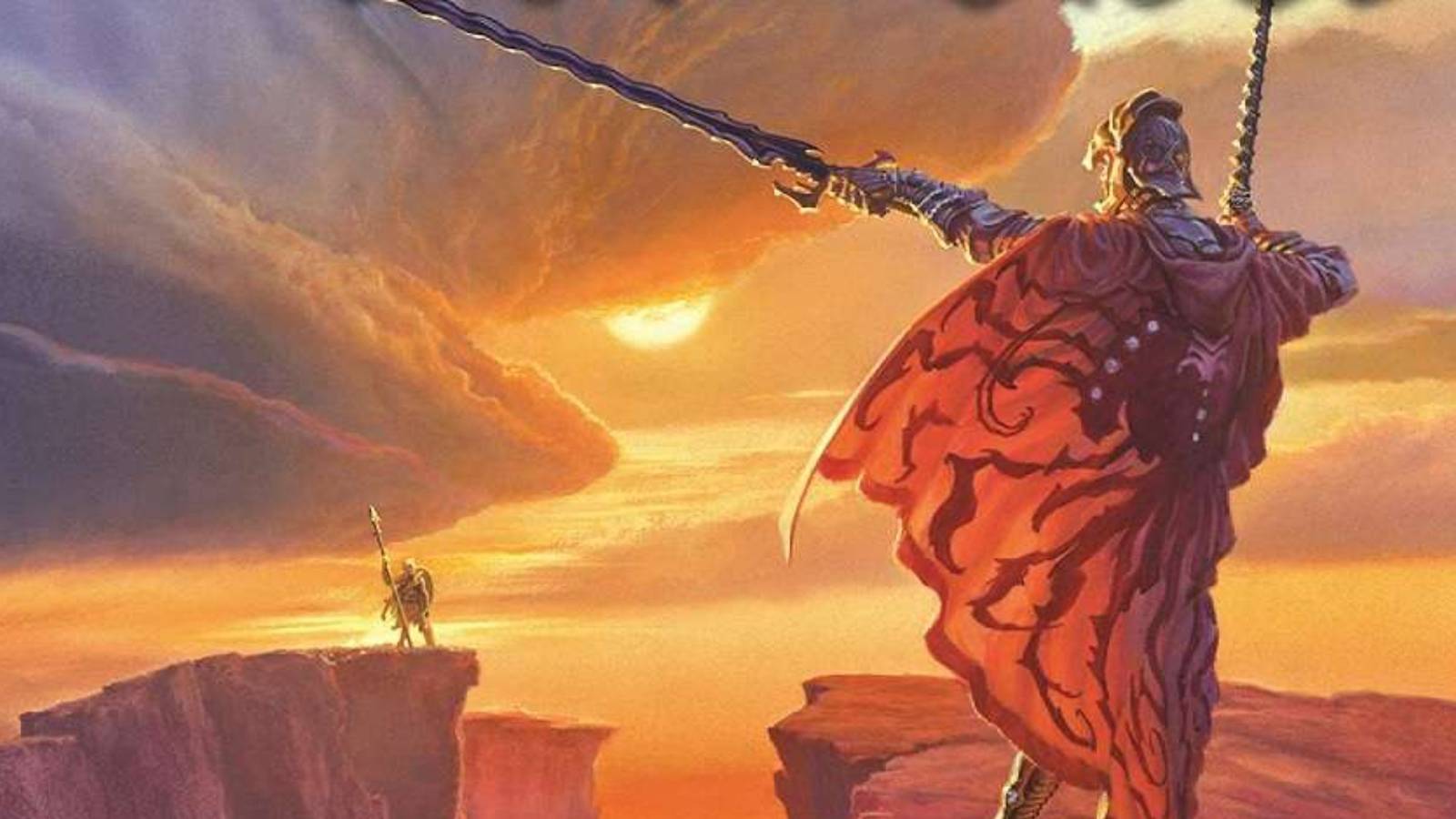
Patrick Rothfuss set out to write a novel that defied the conventions of classic heroic fantasy, and in doing so, he crafted one of the genre's most beloved modern classics. The Name of the Wind follows Kvothe, a gifted young musician who recounts his rise from obscurity to legend, his fight for survival, and his quest for vengeance against the murderers of his family. Rothfuss's prose is often described as lyrical and poetic, earning praise from literary giants like Ursula K. Le Guin and Lin-Manuel Miranda. The book's world-building and character depth broke new ground in high fantasy. The only downside? Fans have been waiting over 15 years for the third installment of The Kingkiller Chronicles, and some may kick the bucket before it arrives.

A Game of Thrones (1996)
With A Song of Ice and Fire becoming a massive multimedia franchise, George R.R. Martin's A Game of Thrones needs little introduction. This epic fantasy follows an honorable lord whose investigation into a mysterious death triggers a catastrophic power struggle for the Iron Throne of Westeros. Before this book, epic fantasy was still largely in the shadow of J.R.R. Tolkien. Martin proved that fantasy could be darker, grittier, and more mature, subverting genre traditions while remaining utterly original. It's a masterclass in storytelling that changed the landscape of fantasy literature.
Night Watch (2002)
Terry Pratchett was one of the greatest satirists in speculative fiction, and his Discworld series is a treasure trove of comic fantasy. Night Watch, the 29th book in the series, follows a City Watch commander who is sent 30 years into the past and must lead a bloody rebellion through the night. While it's part of a larger series, it works perfectly as a standalone novel. Pratchett's sharp humor is on full display, but the book also carries surprising weight and tension, making it an ideal entry point into both Discworld and the broader world of comic fantasy.
A Wizard of Earthsea (1968)
Ursula K. Le Guin is one of the most important authors in speculative fiction, and her Earthsea Cycle is a cornerstone of the genre. A Wizard of Earthsea introduces us to a young mage who accidentally unleashes a dark shadow from the spirit world and must journey across the islands of Earthsea to confront it. At a time when most fantasy was either Tolkien imitation or pulpy adventure, Le Guin showed how psychologically deep and thematically nuanced the genre could be. This book is a masterclass in high fantasy writing and remains as powerful today as when it was first published.
The Lion, the Witch and the Wardrobe (1950)
C.S. Lewis's The Chronicles of Narnia has made him a household name, and the first published novel, The Lion, the Witch and the Wardrobe, is a perfect example of portal fantasy. Four siblings step through a wardrobe into the magical land of Narnia during World War II. The book is so deeply ingrained in pop culture that it's easy to forget how flawless it is. It's the blueprint for portal fantasy, with richly detailed world-building that has captivated readers for generations.
Harry Potter and the Philosopher's Stone (1997)
After being rejected by multiple publishers, J.K. Rowling's Harry Potter and the Philosopher's Stone finally found a home and changed children's literature forever. The story of the boy wizard who discovers his magical heritage and attends Hogwarts School of Witchcraft and Wizardry has become a global phenomenon. While it's often categorized as children's literature, its themes of friendship, courage, and the battle against evil resonate with readers of all ages. It's a book that has inspired countless other fantasy series, and for good reason—it's a near-perfect introduction to the genre.
These are just a few of the essential fantasy books that belong on any reader's bucket list. Whether you're a seasoned fantasy veteran or just starting your journey, these works offer a glimpse into the genre's rich history and its boundless potential. So, before you kick the bucket, make sure you've experienced these literary treasures.