There's a reason why the detective novel remains one of the most beloved genres in literature. It combines intellectual challenge with the thrill of the chase, and its greatest practitioners have given us characters who feel as real as any in fiction. Before the 21st century brought us a new wave of crime fiction, the 19th and 20th centuries laid the groundwork with tales of deduction, deception, and justice. Here, we rank the best classic detective books of all time, from the foundational to the revolutionary.
8. Arsène Lupin, Gentleman Burglar (1907)
While English-language authors dominate the detective canon, French writer Maurice Leblanc created one of the most enduring characters in the genre: Arsène Lupin, the gentleman thief. This collection of short stories flips the traditional detective story on its head—Lupin uses his brilliant mind not to solve crimes, but to commit them with style and wit. He even crosses paths with Sherlock Holmes in a memorable encounter. The result is a clever, entertaining inversion that remains fresh and inventive over a century later.

7. The Maltese Falcon (1930)
Dashiell Hammett practically invented the hard-boiled detective novel, and The Maltese Falcon is his masterpiece. Originally serialized in Black Mask magazine, this gritty tale of a private eye caught in a web of greed and betrayal set the standard for the genre. The 1941 film adaptation is a classic, but the novel itself is even better—written in a stark, objective style that never reveals the characters' inner thoughts, it's a pure exercise in suspense and atmosphere. It's no wonder this book is considered one of the greatest American detective stories ever told.
6. The Murder at the Vicarage (1930)
Agatha Christie introduced the world to Miss Marple in this brilliant debut, and she did it with a story that redefined the cozy mystery. Set in the seemingly peaceful village of St. Mary Mead, the novel follows the sharp-eyed spinster as she uncovers the truth behind a murder that has everyone fooled. Christie's mastery of misdirection is on full display, and Miss Marple's unassuming brilliance was a radical departure from the male detectives of the era. This book remains a blueprint for the genre, as fresh and clever today as it was in 1930.
5. A Study in Scarlet (1887)
Before Sherlock Holmes became a global icon, he made his debut in this novel, which introduced the world to the detective who would change everything. Arthur Conan Doyle's A Study in Scarlet was initially overlooked, but it laid the foundation for modern detective fiction. Doyle's use of forensic science and logical deduction was groundbreaking, and his portrayal of Holmes and Dr. Watson set the template for countless detective duos to come. This is where it all began, and it remains essential reading for any fan of the genre.
4. The Hound of the Baskervilles (1902)
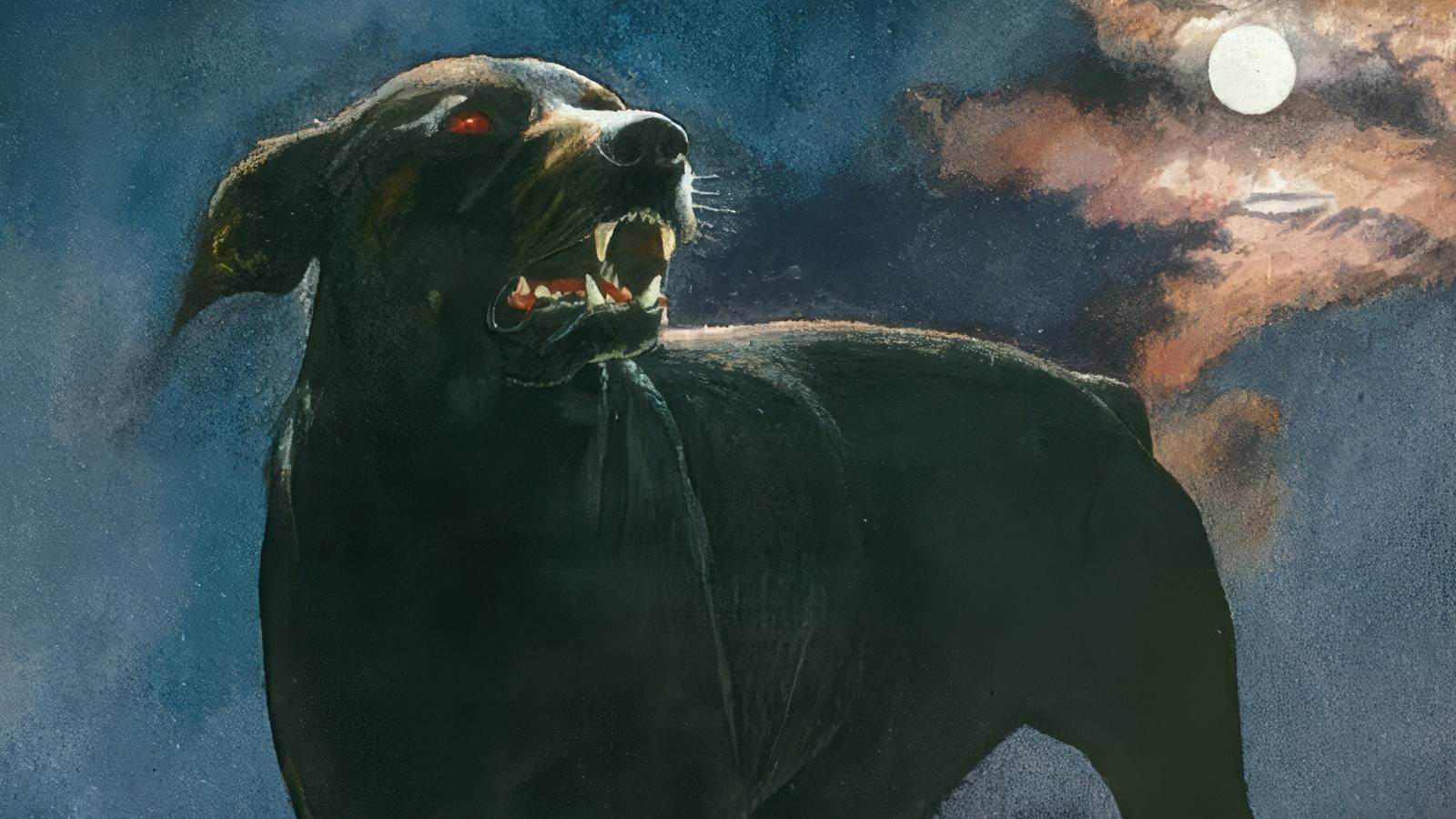
Often cited as the greatest Sherlock Holmes novel, The Hound of the Baskervilles is a masterclass in atmosphere and suspense. Set on the eerie moors of Devonshire, the story follows Holmes and Watson as they investigate the curse of the Baskerville family, which is said to be haunted by a monstrous hound. Doyle weaves together folklore, science, and a gripping mystery that keeps readers guessing until the final pages. It's a perfect blend of the supernatural and the rational, and it remains one of the most thrilling detective stories ever written.
3. The Big Sleep (1939)
Raymond Chandler took the hard-boiled genre Hammett created and elevated it to literary art. The Big Sleep introduces Philip Marlowe, a private eye who is as cynical as he is principled, navigating the corrupt underbelly of Los Angeles. The plot is famously complex, but it's Chandler's prose—sharp, witty, and evocative—that makes this novel a standout. Marlowe's moral code in a world of moral decay gives the story a depth that transcends the typical crime novel. It's a must-read for anyone who appreciates the darker side of detective fiction.
2. Murder on the Orient Express (1934)
Agatha Christie's most famous Poirot novel is a locked-room mystery of the highest order. When a murder occurs on a snowbound train, Hercule Poirot must untangle a web of alibis and secrets among the passengers. The solution is one of the most audacious in detective fiction, and Christie's plotting is flawless. The novel has been adapted multiple times, but the original remains a benchmark for the genre. It's a testament to Christie's genius that she could take a seemingly impossible crime and make it perfectly logical.
1. The Complete Sherlock Holmes (1887–1927)
While individual novels and stories are remarkable, the ultimate classic detective book is the complete collection of Sherlock Holmes tales. From A Study in Scarlet to The Case-Book of Sherlock Holmes, Arthur Conan Doyle created a universe of deduction that has never been surpassed. Holmes's methods, his relationship with Watson, and his iconic catchphrases have become part of our cultural DNA. This collection is not just a book; it's the foundation of detective fiction itself. For anyone seeking the greatest classic detective book, this is the definitive choice.
These classics have inspired countless adaptations, from new detective series to modern thrillers. They remain essential reading for anyone who loves a good mystery, and their influence can be seen in everything from Stephen King's darker tales to the fantasy epics that borrow their structure. Pick up any of these books, and you'll understand why they've stood the test of time.