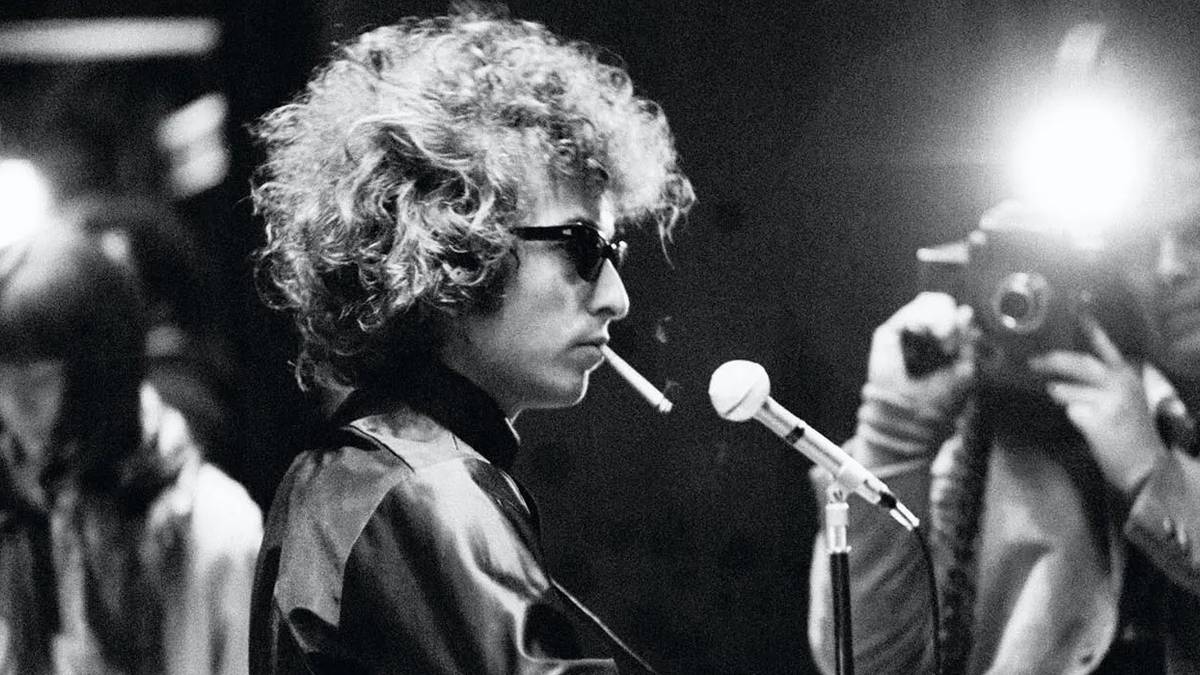
Bob Dylan's songbook is a tapestry of American music, woven with poetic metaphors, social commentary, and timeless melodies. From anthems like "Blowin' in the Wind" to epic narratives like "Desolation Row," his work has defined generations. Yet, even within this celebrated catalog, there exists a song the Nobel laureate wishes he could erase: the 1964 album track "Ballad in Plain D."
A Departure from the Poetic
Unlike the layered symbolism of his most famous work, "Ballad in Plain D" is startlingly direct. Found on his album Another Side of Bob Dylan, the eight-minute folk song serves as a raw, unflinching diary entry detailing the painful end of his relationship with artist Suze Rotolo. It famously includes a scathing attack on her sister, with Dylan singing, "For her parasite sister, I had no respect." This blunt specificity was a stark departure from his usual style.

Dylan's Own Regret
In the years since, Dylan has expressed profound remorse for writing the track. He reflected that looking back, he felt like "a real schmuck" for putting it to paper. "Of all the songs I've written, maybe I could have left that alone," he admitted. "I wouldn't really exploit a relationship with somebody. Whereas in 'Ballad in Plain D' I did." He acknowledged that the emotions of the breakup overwhelmed him, leading to a song he now views as a personal misstep.
This kind of artistic regret isn't unique to Dylan; many creators later question their past work. For instance, some forgotten cinematic gems were initially dismissed by their own makers before being rediscovered. Similarly, Dylan's monumental career is filled with twists, which you can explore in our ranking of his most epic musical journeys.
The Other Side of the Story
Surprisingly, Suze Rotolo herself responded to the song with understanding rather than public bitterness. She recognized it as his necessary "outlet" and "exorcism" for the pain they both felt. "His art was his outlet... That was the way he wrote out his life," she said, contextualizing the bitter track alongside his loving and political works as a holistic "synthesis of feeling and vision."
Despite this, the song was panned by many critics upon release and is often cited as one of his weakest efforts, criticized for its uncharacteristic self-pity and lack of his trademark poetic filter. It remains a polarizing entry in a discography filled with masterpieces.
A Forgotten Chapter in a Legendary Career
"Ballad in Plain D" endures as a fascinating, if uncomfortable, artifact. It captures a specific, volatile moment in a young artist's life with a brutal honesty he would later avoid. The song's existence—and Dylan's subsequent regret—highlights how even the greatest artists can look back and cringe at their past creative choices. It's a reminder that the path to legendary status isn't always perfect, much like how other icons have taken unforgettable risks in forgotten roles.
While it may not be a fan favorite, the track offers an unvarnished look at the man behind the myth during a pivotal time. In the grand scheme of Dylan's career, which has been crowned by peers like Mick Jagger as the ultimate singer-songwriter, "Ballad in Plain D" stands as a stark monument to a regret he can't undo, proving that some feelings, immortalized in song, are best left in the past.