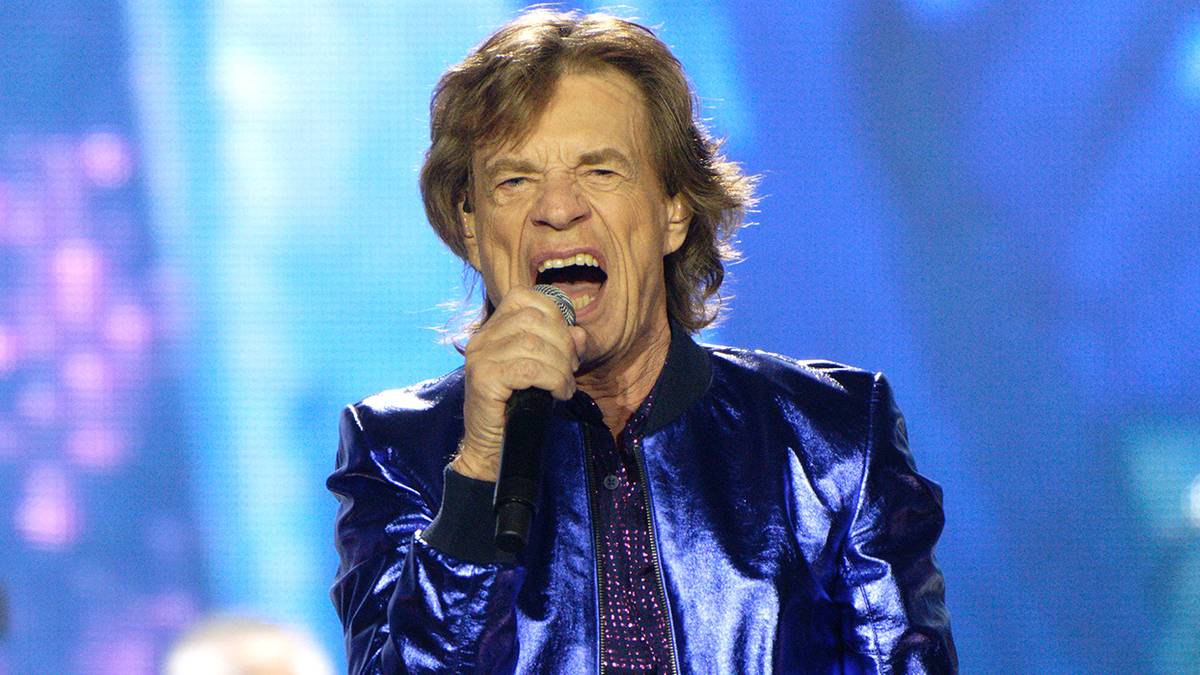
Even rock and roll royalty has its idols. Mick Jagger, the iconic voice of The Rolling Stones, has bestowed the highest possible praise upon a fellow music legend, naming Bob Dylan as the greatest singer-songwriter of all time. This isn't a casual compliment from a peer; it's a deep-seated admiration Jagger has held since the very beginning of Dylan's career.
A Lifelong Admiration
Jagger's reverence for Dylan isn't new. He recently shared that he was spinning Dylan's records in his parents' home back when the folk troubadour was still performing acoustically. "He was already very important and his lyrics were on point," Jagger told The Guardian. He emphasized that Dylan's genius lies not just in the words, but in their delivery—the "accentuation and the moods and twists he puts on them." Jagger pointed to Dylan's immense body of work as the true source of his greatness, recalling being mesmerized while watching him record the intricate narrative of 'Lily, Rosemary and the Jack of Hearts' for the 1975 album Blood on the Tracks.
Decoding Dylan's Lyrical Genius
When asked for a personal favorite, Jagger didn't hesitate: "Desolation Row" from Dylan's Highway 61 Revisited. He described the song's lyrics as "interesting and diverse," creating a fantasy of an "unforgiving place" populated by strange characters. Jagger highlighted specific, apocalyptic lines that he found both scary and viciously delivered, showcasing his deep appreciation for Dylan's unique brand of storytelling—a skill Jagger humbly admitted he could never replicate. This admiration offers a fascinating glimpse into the artistic inspirations behind one of rock's most enduring frontmen, whose own journey from a flop to a legend is a story in itself, much like the unlikely journey of Bob Dylan's 1962 debut.
Mutual Respect Between Icons
The admiration between these two pillars of music is decidedly mutual. Bob Dylan has long been a vocal champion of The Rolling Stones, once declaring them "the greatest rock and roll band in the world and always will be." He credited the Stones as the foundational source for everything that followed in rock, from metal to punk. This exchange of praise underscores a powerful truth: legends recognize legends. Their mutual respect highlights the era that forged them, where artistic innovation was paramount.
Dylan's Enduring Legacy
Bob Dylan's influence stretches far beyond Mick Jagger's personal playlist. Widely regarded as one of the most important songwriters in history, Dylan's poetic, surreal, and introspective style fundamentally reshaped popular music in the 1960s. Jagger himself noted that during that era, "everyone looked up to [Dylan] as a kind of guru of lyrics." His impact echoes through the work of countless iconic artists, from Joni Mitchell and Neil Young to Jimi Hendrix and modern acts like Hozier. He opened doors for a more literary and personally honest approach to songwriting that continues to resonate today.
While Jagger is famously generous in praising artists across generations—from foundational influences like James Brown and Little Richard to modern rock energizers like Machine Gun Kelly—his designation of Dylan as the "greatest" carries special weight. It comes from a peer who has not only witnessed but also helped define decades of musical evolution. In an entertainment landscape filled with powerful performances, from cinema's most epic acting to legendary screen presences, Dylan's songwriting stands as a unique and towering achievement.
Ultimately, Jagger's declaration is more than just a ranking; it's a testament to the enduring power of masterful storytelling through song. In an industry often focused on sound and spectacle, Dylan's primacy of the written word, as acknowledged by one of rock's greatest showmen, reminds us that the pen—or the typewriter—can indeed be mightier than the guitar.