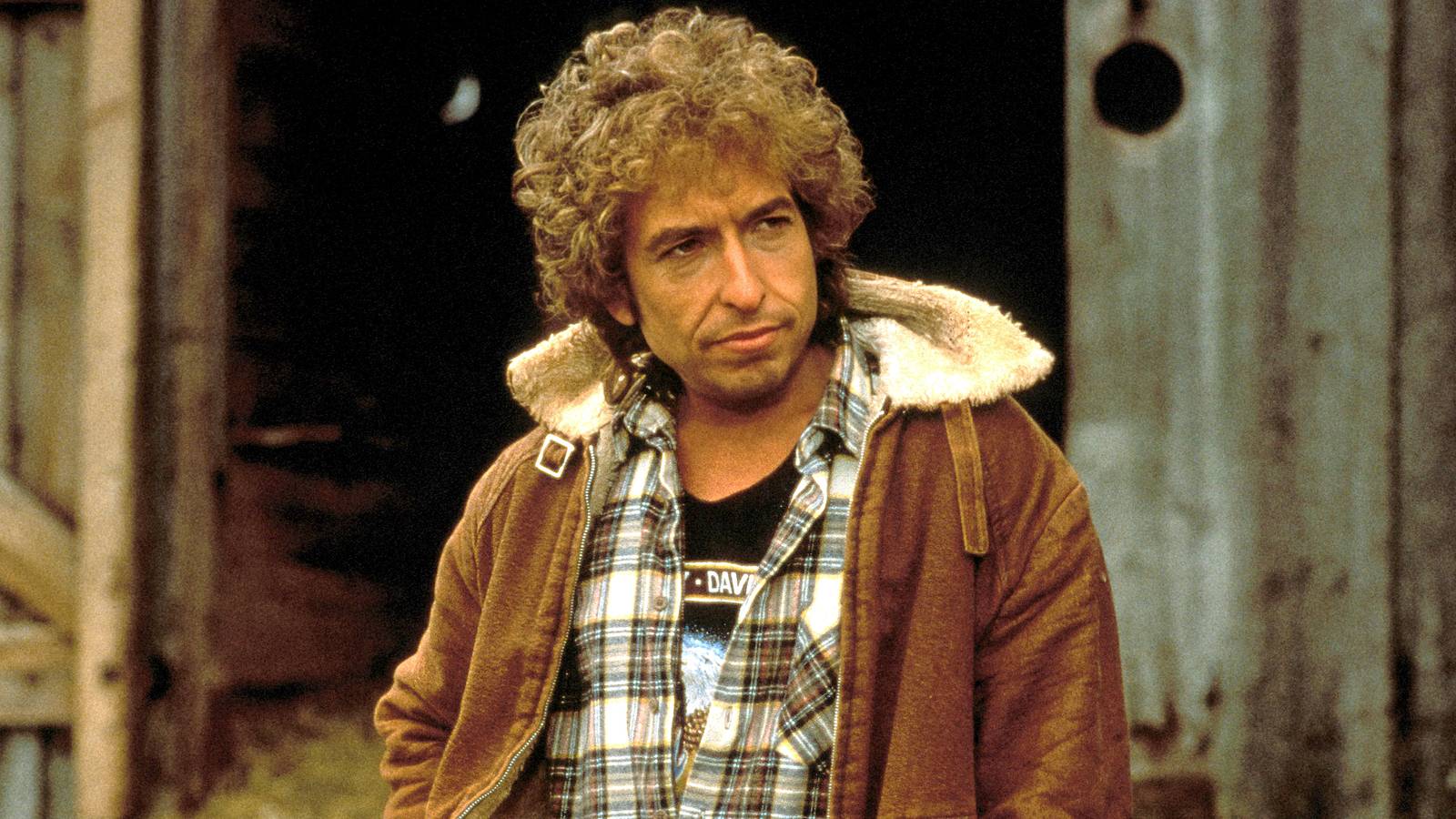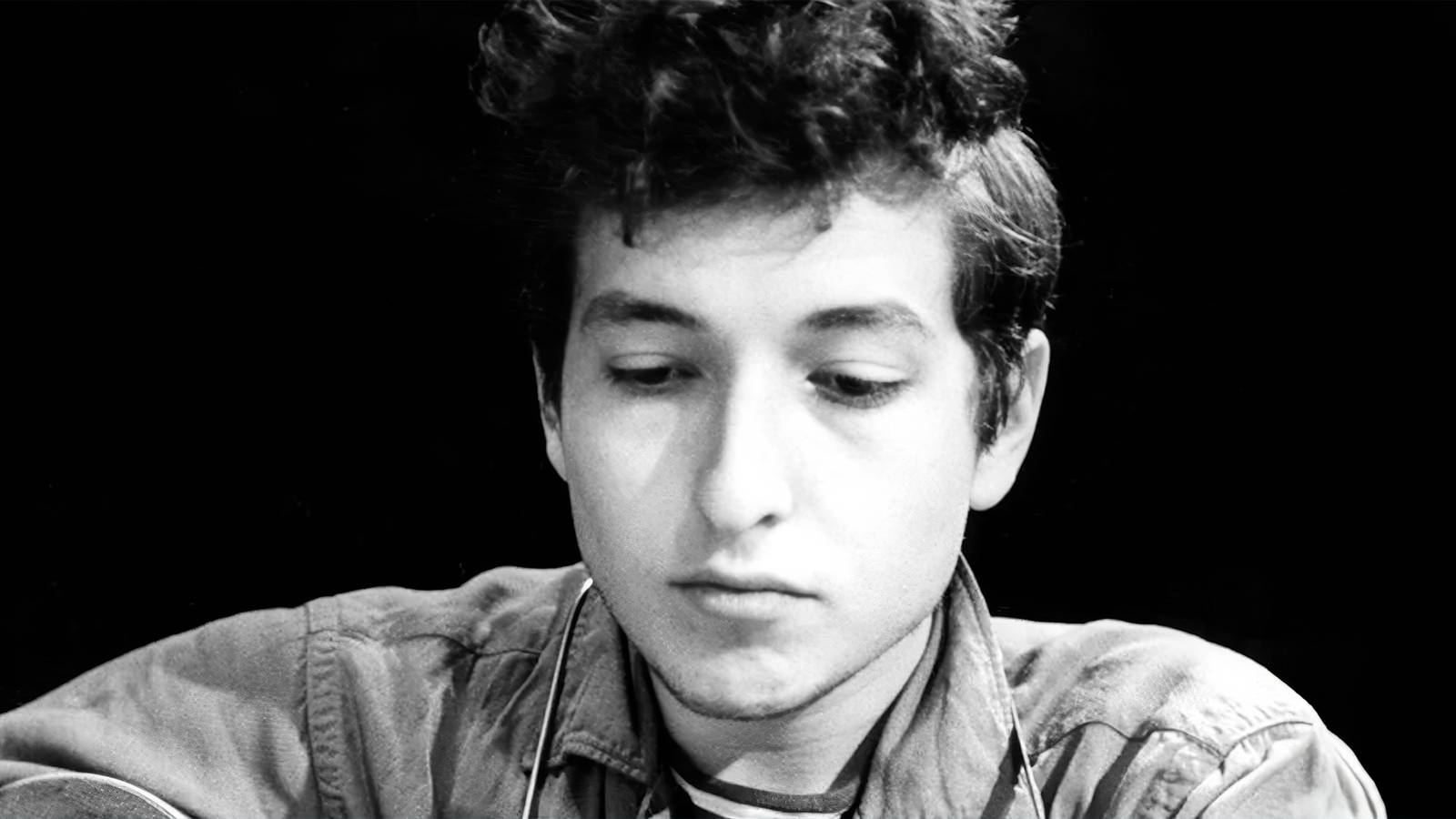
Before the Nobel Prizes, the cultural revolutions, and the status as a living legend, Bob Dylan was just a 21-year-old with a guitar, a harmonica, and a dream. His self-titled debut album, released 64 years ago, didn't set the charts on fire. In fact, it barely sparked a flame. Yet, this humble collection of folk and blues covers would become the unlikely cornerstone of one of music's most monumental careers.
The Controversial Signing
When Columbia Records talent scout John H. Hammond signed the young Dylan in 1961, it raised eyebrows. Hammond, the man who discovered icons like Billie Holiday and Aretha Franklin, saw something others missed during an informal jam session. He signed Dylan "on the spot," a controversial bet on an unproven artist in a polished industry. This leap of faith would soon be tested.
A Stripped-Down Sound
Recorded in just three short afternoon sessions in November 1961, Bob Dylan was intentionally bare-bones. The album featured Dylan's raw voice accompanied only by acoustic guitar and harmonica across 13 tracks. Notably, it contained only two original songs, with the standout being "Song to Woody," a tribute to his hero Woody Guthrie. Instead of showcasing his soon-to-be-legendary songwriting, Dylan introduced himself through interpretations of traditional folk and blues standards like "House of the Risin' Sun."
Initial Rejection and Legacy
The album's commercial reception was brutal. It sold a mere 5,000 copies in its first year, casting doubt on Hammond's judgment and Dylan's potential. The project was deemed too traditional, failing to capture the poetic voice that simmered beneath the surface. Both the label and the artist himself were quick to dismiss it. However, a few astute critics recognized a distinctive, compelling presence in Dylan's delivery—just enough encouragement to keep going.
That persistence paid off spectacularly. Just one year later, Dylan released The Freewheelin' Bob Dylan, an album of original songs that catapulted him to fame and began his transformation into a generational voice. The success of his later work forced the world to re-evaluate his humble beginnings. In a twist of fate, his debut album charted in the UK three years after its release, finally reaching number 13.
A Testament to Artistic Growth
The story of Dylan's debut is a powerful lesson in artistic evolution. It proves that even the most celebrated careers can have inauspicious, overlooked starts. The album's journey from flop to folk classic mirrors Dylan's own path from an obscure interpreter to a Nobel Prize-winning songwriter who changed music forever. Its raw, unadorned sound is now revered not as a limitation, but as a brave and authentic statement of intent.
Six decades later, Bob Dylan is recognized as a critical piece of the artist's journey. It captures a moment of pure potential before the explosion, a snapshot of a legend learning his craft. Its legacy is a reminder that masterpieces aren't always recognized in their time, and that sometimes, the most influential art requires the world to catch up. For fans of transformative artistic journeys, this story shares DNA with projects like HBO's 'John Adams', which also redefined a genre through depth and authenticity.
From its controversial signing to its retrospective acclaim, the album's tale is one of patience and perspective. It stands as a monument to the idea that an artist's first step, however shaky, can contain the seeds of a revolution—even if it takes the world 64 years to fully appreciate it.