The screenplay is the unsung hero of cinema—the blueprint that shapes every performance, every frame, and every emotional beat. While visuals and direction often steal the spotlight, the greatest scripts are works of art in their own right. They craft unforgettable characters with a few deft strokes, dole out secrets at precisely the right moment, and give actors dialogue they can truly sink their teeth into. In the 21st century, American cinema has produced a remarkable array of such scripts, spanning genres from intimate sci-fi to brutal crime sagas. Here are the eight finest, ranked.
8. Eternal Sunshine of the Spotless Mind (2004)
Charlie Kaufman, the master of the unconventional, takes a high-concept premise—erasing a failed relationship from your memory—and turns it into a deeply human exploration of love and loss. The film follows Joel (Jim Carrey) as he discovers his ex, Clementine (Kate Winslet), has had him wiped from her mind, prompting him to undergo the same procedure. What could have been a quirky comedy becomes a poignant meditation on the nature of memory and the value of painful experiences.
The script is a marvel of narrative structure, weaving together fragmented memories and clever callbacks while subverting romantic archetypes. Yet beneath the intellectual playfulness lies genuine emotion. As Joel relives his relationship, he realizes that erasing the pain also erases the joy—that loving someone, even imperfectly, is never a mistake. It's a film that rewards repeat viewing, and its themes have only grown more resonant in our digital age.
7. The Departed (2006)
William Monahan's adaptation of the Hong Kong thriller Infernal Affairs is a masterclass in ensemble storytelling. Set in Boston, the film follows two moles: Billy Costigan (Leonardo DiCaprio), a cop infiltrating a crime syndicate, and Colin Sullivan (Matt Damon), a gangster embedded in the state police. The script's genius lies in its mirror-image structure and its razor-sharp dialogue, which crackles with tension and dark humor.
Each character speaks with a distinct rhythm—from Jack Nicholson's profane monologues to Mark Wahlberg's volcanic insults. The script keeps the audience on edge, often pivoting from laughter to violence in a heartbeat. It's a testament to Monahan's skill that a story with so many moving parts remains so tightly wound and utterly gripping.
6. Her (2013)
Spike Jonze's Her takes a premise that could easily be satire—a lonely writer falls in love with his operating system—and treats it with complete sincerity. Joaquin Phoenix stars as Theodore, a man who finds solace in Samantha (voiced by Scarlett Johansson), an AI with a warm, evolving personality. The script explores themes of connection, intimacy, and the fluid nature of identity in a world increasingly mediated by technology.
What makes Her so remarkable is how it reverses the typical sci-fi trajectory: instead of fearing technology, it embraces the possibility of genuine emotional bonds with it. The dialogue is tender and philosophical, and Samantha feels fully realized despite being just a voice. In an era of AI chatbots, the film's vision feels eerily prescient, making it a timeless piece of speculative fiction.
5. Get Out (2017)
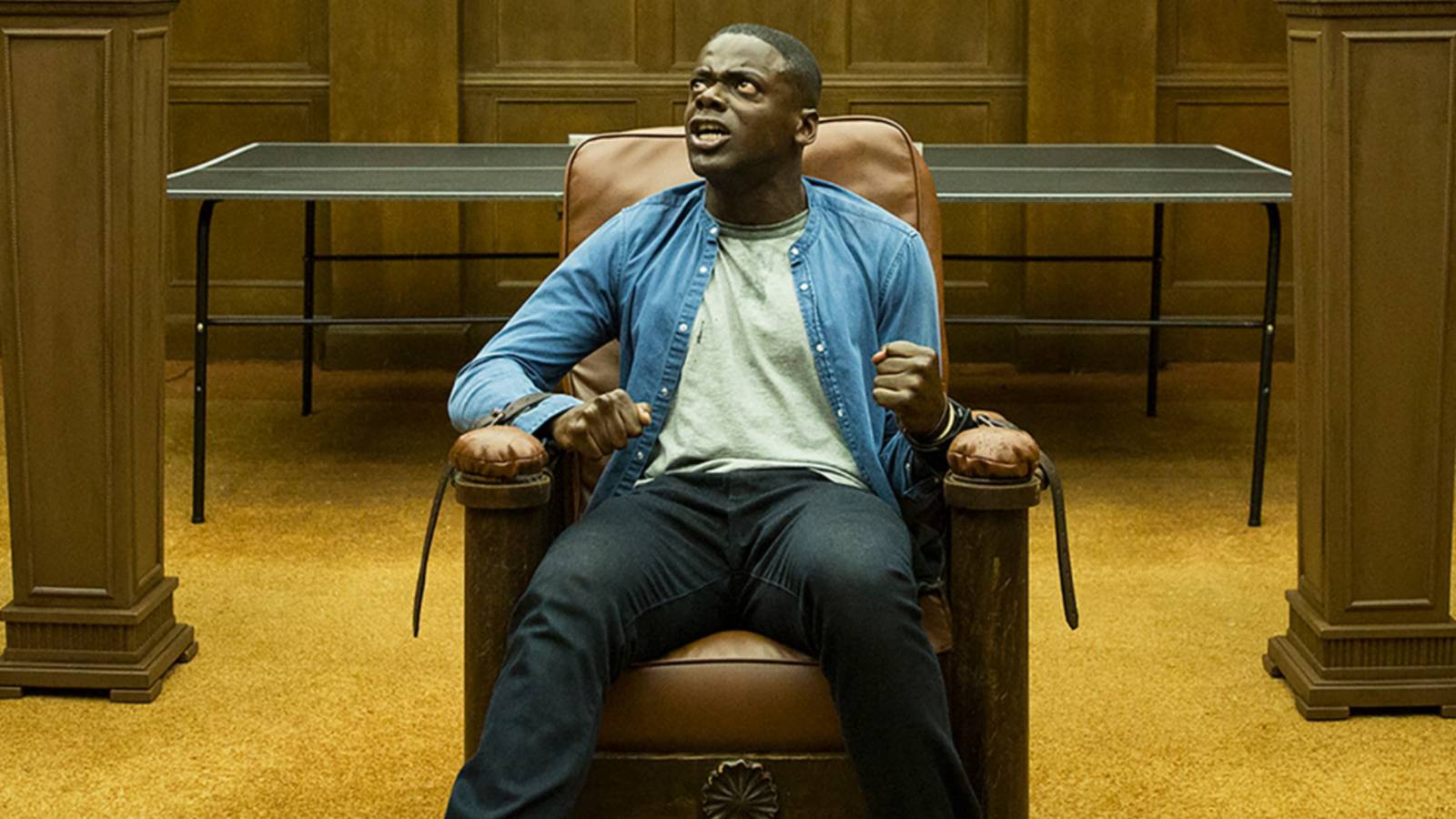
Jordan Peele's directorial debut is a cultural touchstone—a horror film that doubles as a sharp social satire. The script follows Chris (Daniel Kaluuya), a Black man visiting his white girlfriend's family for the first time, only to uncover a sinister plot. Peele masterfully blends humor and dread, creating a steady escalation of unease that culminates in a cathartic, crowd-pleasing climax.
The film's imagery—the Sunken Place, the hypnotic teacup, the deer in the headlights—has become part of the pop culture lexicon. But beyond its surface thrills, Get Out is a layered commentary on race and liberalism, inviting endless analysis. It's a rare film that entertains and provokes in equal measure, cementing Peele as a major voice in American cinema.
4. Inglourious Basterds (2009)
Quentin Tarantino has always been a master of dialogue, but Inglourious Basterds elevates conversation to an art form. The film reimagines World War II as a revenge fantasy, with a group of Jewish-American soldiers hunting Nazis in occupied France. The script's centerpiece is the opening scene, a tense interrogation between SS Colonel Hans Landa (Christoph Waltz) and a French farmer that alone justifies the film's reputation.
Language itself becomes a weapon: a hand gesture gives away a spy, a mispronounced Italian word nearly dooms the heroes, and Landa's multilingual fluency gives him terrifying power. Tarantino's script is a genre-blending tour de force, mixing war epic, spy thriller, and black comedy into a uniquely entertaining whole. It's a testament to the power of words to create suspense, humor, and catharsis.
3. There Will Be Blood (2007)
Paul Thomas Anderson's epic tale of oil and ambition is a towering achievement in screenwriting. The film follows Daniel Plainview (Daniel Day-Lewis), a ruthless prospector who rises to power in early 20th-century California, sacrificing everything in his pursuit of wealth. Anderson's script, loosely adapted from Upton Sinclair's novel, is a study in obsession and moral decay, with dialogue that is both sparse and devastating.
The film's famous line—"I drink your milkshake!"—is just one of many memorable moments. Anderson's writing captures the grandeur of the American West while exposing the darkness beneath its promise. It's a screenplay that demands to be read as much as watched, a literary work that transcends its medium.
2. The Social Network (2010)
Aaron Sorkin's script for The Social Network is a tour de force of rapid-fire dialogue and intricate structure. The film chronicles the founding of Facebook and the lawsuits that followed, framing the story through depositions that reveal the characters' motivations and betrayals. Sorkin's writing is sharp, witty, and relentlessly propulsive, making a story about code and contracts feel like a thriller.
The film's portrayal of Mark Zuckerberg (Jesse Eisenberg) is both sympathetic and damning, capturing the genius and the loneliness of a man who changed the world but lost his friends. Sorkin's script is a masterclass in exposition, weaving complex legal and technical details into compelling drama. It's a film that feels more relevant with each passing year, a cautionary tale about the cost of ambition.
1. No Country for Old Men (2007)
The Coen brothers' adaptation of Cormac McCarthy's novel is a modern masterpiece, and its screenplay is a model of economy and tension. The film follows a hunter (Josh Brolin) who stumbles upon a drug deal gone wrong and a suitcase of cash, setting off a cat-and-mouse chase with a relentless killer (Javier Bardem). The script is spare, with long stretches of silence punctuated by moments of brutal violence.
What sets the screenplay apart is its philosophical depth. Through the character of Sheriff Bell (Tommy Lee Jones), the Coens explore themes of fate, morality, and the changing nature of evil. The dialogue is often minimal, but every line carries weight, and the film's ambiguous ending has sparked endless debate. It's a script that proves less is more, and it stands as the pinnacle of 21st-century American screenwriting.
These eight scripts represent the best of what American cinema has to offer—stories that challenge, entertain, and endure. For more cinematic excellence, check out our list of classic American movies or explore the most rewatchable HBO shows. And if you're in the mood for something different, our recent top films might surprise you.