The 1960s were a turning point for cinema, and no genre captured the era's shifting mood better than film noir. While classic noir thrived in the shadows of the 1940s and '50s, the '60s dragged its antiheroes into the harsh light of day, swapping fedoras and foggy alleys for sleek corporate towers and sun-scorched streets. Directors like Don Siegel and J. Lee Thompson pushed the genre into bold new territory, blending gritty realism with avant-garde techniques and a distinctly modern cynicism.
From paranoid political thrillers to existential revenge sagas, these six films redefined what noir could be. They challenged moral certainties, experimented with form, and laid the groundwork for the neo-noir movement that would dominate the following decades. Here are the six greatest film noir movies of the 1960s, ranked.
6. Mirage (1965)
Edward Dmytryk's Mirage is a hidden gem of mid-'60s noir, blending Hitchcockian suspense with a deep dive into identity and corporate paranoia. Gregory Peck stars as David Stillwell, a cost accountant who wakes up to find he's lost two years of his memory, right after a mysterious blackout in a New York skyscraper. As he tries to piece together his past, he's hunted by hitmen tied to a shadowy figure known as Major Crawford.
Peter Stone's screenplay is a tight, labyrinthine puzzle that keeps you guessing without losing its grip. Dmytryk, a noir veteran, uses crisp black-and-white photography and disorienting montages to mirror Stillwell's fractured mind. The film taps into the era's anxieties about corporate power and technological control, making it a smart, stylish precursor to later paranoid thrillers. It's a perfect blend of classic noir paranoia and modern storytelling.
5. The Killers (1964)
Don Siegel's The Killers takes Hemingway's short story and turns it into a vibrant, violent neo-noir. Lee Marvin and Clu Gulager play two hitmen who execute a former race car driver (John Cassavetes) who seems almost relieved to die. Intrigued by his lack of resistance, Marvin's character digs into the victim's past, uncovering a web of betrayal involving a ruthless crime boss (Ronald Reagan, in his final film role) and a seductive femme fatale (Angie Dickinson).
This film bridges the old and new Hollywood, mixing classic noir tropes with explicit violence and moral ambiguity. Siegel's direction is lean and brutal, and the use of bright, harsh sunlight and vivid Technicolor gives the story a unsettling, modern edge. Marvin is magnetic as a pragmatic killer turned investigator, a cynical, aging man bound by his own criminal code. It's a landmark of the genre and a must-watch for any noir fan.
4. Point Blank (1967)
John Boorman's Point Blank is a revolutionary piece of cinema, fusing hard-boiled revenge with French New Wave style and surrealist flourishes. Lee Marvin stars as Walker, a criminal double-crossed and left for dead by his wife and best friend. He emerges from the shadows of Alcatraz and methodically climbs the corporate criminal ladder, known as 'The Organization,' to reclaim his stolen money.
Boorman's use of jarring time cuts, hypnotic sound, and expressive color blurs the line between reality and hallucination, turning a simple revenge plot into a dreamlike study of alienation. Marvin's performance is chillingly stoic—he's less a man than a force of nature, a ghost seeking retribution. The film replaces the smoky back alleys of classic noir with the cold, sterile glass and concrete of modern Los Angeles, suggesting that crime has simply evolved into a more corporate, faceless entity. It's a bold, influential work that still feels ahead of its time.
3. The Manchurian Candidate (1962)
John Frankenheimer's The Manchurian Candidate is a masterpiece of political paranoia, blending Cold War fears with noir's psychological depth and visual expressionism. Frank Sinatra plays Bennett Marco, a Korean War veteran haunted by nightmares after his unit is captured and brainwashed. As he investigates, he uncovers a chilling conspiracy that reaches the highest levels of American power.
The film is a razor-sharp commentary on brainwashing, political manipulation, and the fragility of truth. Frankenheimer's direction is taut and unsettling, with dream sequences that are as disorienting as they are iconic. Sinatra delivers one of his best performances, and the supporting cast, including Laurence Harvey and Angela Lansbury, is superb. It's a film that not only defined the political thriller genre but also remains eerily relevant today.
2. Cape Fear (1962)
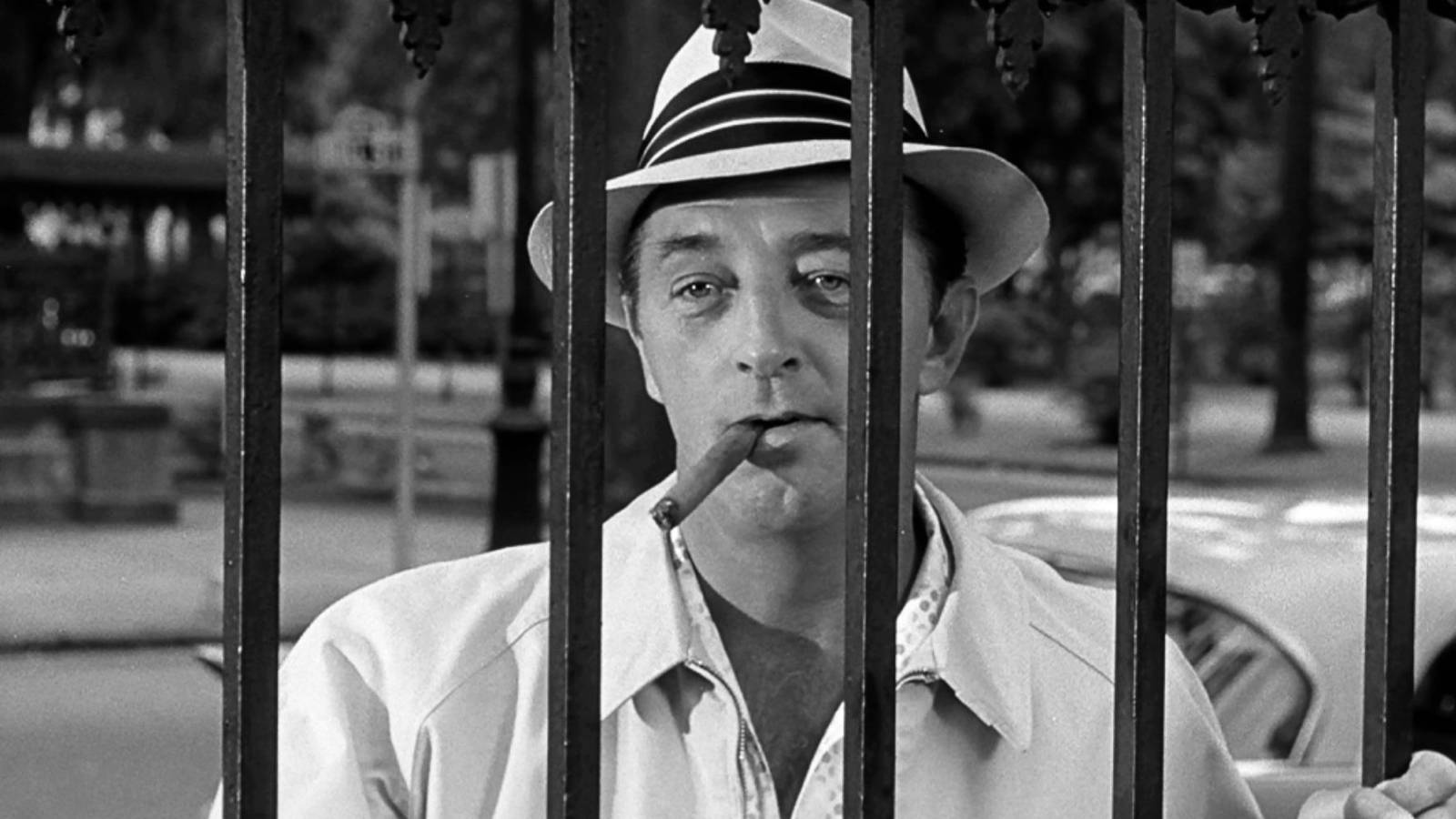
J. Lee Thompson's Cape Fear is a masterclass in psychological terror, pitting a decent family man against a cunning, vengeful ex-con. Gregory Peck plays Sam Bowden, a lawyer whose past comes back to haunt him in the form of Max Cady (Robert Mitchum), a man he helped put away. Cady's release from prison sets off a campaign of intimidation and violence, as he systematically torments Bowden and his family, exploiting every legal loophole to stay just outside the law.
Mitchum is terrifyingly charismatic as Cady, a predator who uses his intelligence and charm as weapons. The film's tension is relentless, building to a harrowing climax on a houseboat. Thompson's direction is taut, and the use of Southern Gothic atmosphere adds to the sense of dread. Cape Fear is a gripping, uncomfortable thriller that explores themes of guilt, justice, and the limits of the law, and it remains a high-water mark for the genre.
1. Bullitt (1968)
Peter Yates's Bullitt is the ultimate 1960s noir, a film that redefined the crime thriller with its gritty realism and iconic car chase. Steve McQueen stars as Frank Bullitt, a San Francisco detective assigned to protect a key witness. When the witness is murdered, Bullitt defies orders and launches his own investigation, uncovering a web of corruption that reaches into the political establishment.
The film is famous for its groundbreaking car chase through the hills of San Francisco, a sequence that set the standard for all that followed. But beyond the action, Bullitt is a moody, atmospheric study of a man isolated by his own integrity. McQueen's cool, understated performance made him a legend, and the film's jazz-infused score and documentary-style cinematography give it a raw, modern feel. It's a film that captures the disillusionment of the late '60s, where heroes are flawed and justice is never clean. For many, it's the definitive noir of the decade.
These six films not only defined the 1960s but also paved the way for the neo-noir classics that followed. They took the genre's core themes—betrayal, obsession, moral ambiguity—and pushed them into new, often uncomfortable territory. Whether you're a longtime fan or new to the genre, these are essential viewing. And if you're hungry for more, check out our list of classic movies that should never be remade or dive into modern mystery films that carry on the noir tradition.