Hollywood has never met a hit it didn't want to reboot. If a movie turned a profit, spawned a fandom, or left any mark on pop culture, you can bet a studio has already pitched a glossy new version. Sometimes it works. Often it doesn't. And every so often, a film comes along that's so complete, so singular, that the very idea of remaking it feels like a creative sin.
That's not to say these movies can't inspire sequels, spin-offs, or expanded universes. But there's a canyon-sized difference between honoring a legacy and trying to photocopy it. Whether it's an untouchable performance, a once-in-a-generation cast, or pure nostalgic magic, these classics have earned a rare status: audiences don't want them reimagined. They want them preserved.
1. The Faculty (1998)
On paper, The Faculty is exactly the kind of property modern Hollywood would snatch up: high schoolers discover their teachers are hosts for parasitic aliens, blending teen angst, body horror, and sci-fi paranoia. Released in the wake of Scream, it's drenched in late-'90s attitude.
That's precisely why a remake misses the point. The film works because it bottles a specific cultural moment when teen horror was sharp, self-aware, and just edgy enough without being overproduced. A contemporary version would likely sand off the weirdness or drown it in nostalgia bait. Even with a remake reportedly in development, the original already did everything the concept needed—with far more personality than a reboot could muster.
2. The Goonies (1985)
A band of misfit kids finds a pirate treasure map and tumbles into a wild adventure full of booby traps, underground caverns, and a delightfully grotesque crime family. It's the ultimate adventure flick—loud, messy, heartfelt, and powered by the chemistry of its young cast.
The problem with remaking The Goonies is that its charm lies in how imperfect and scrappy it feels. Modern studio filmmaking tends to over-engineer nostalgia, turning childhood adventure into sleek IP management. But The Goonies thrives on chaos. The pacing is wild, the plot is bonkers, and it feels like real kids stumbling through danger. You can't recreate that spontaneous magic. Thankfully, a sequel is more likely than a remake.
3. All About Eve (1950)
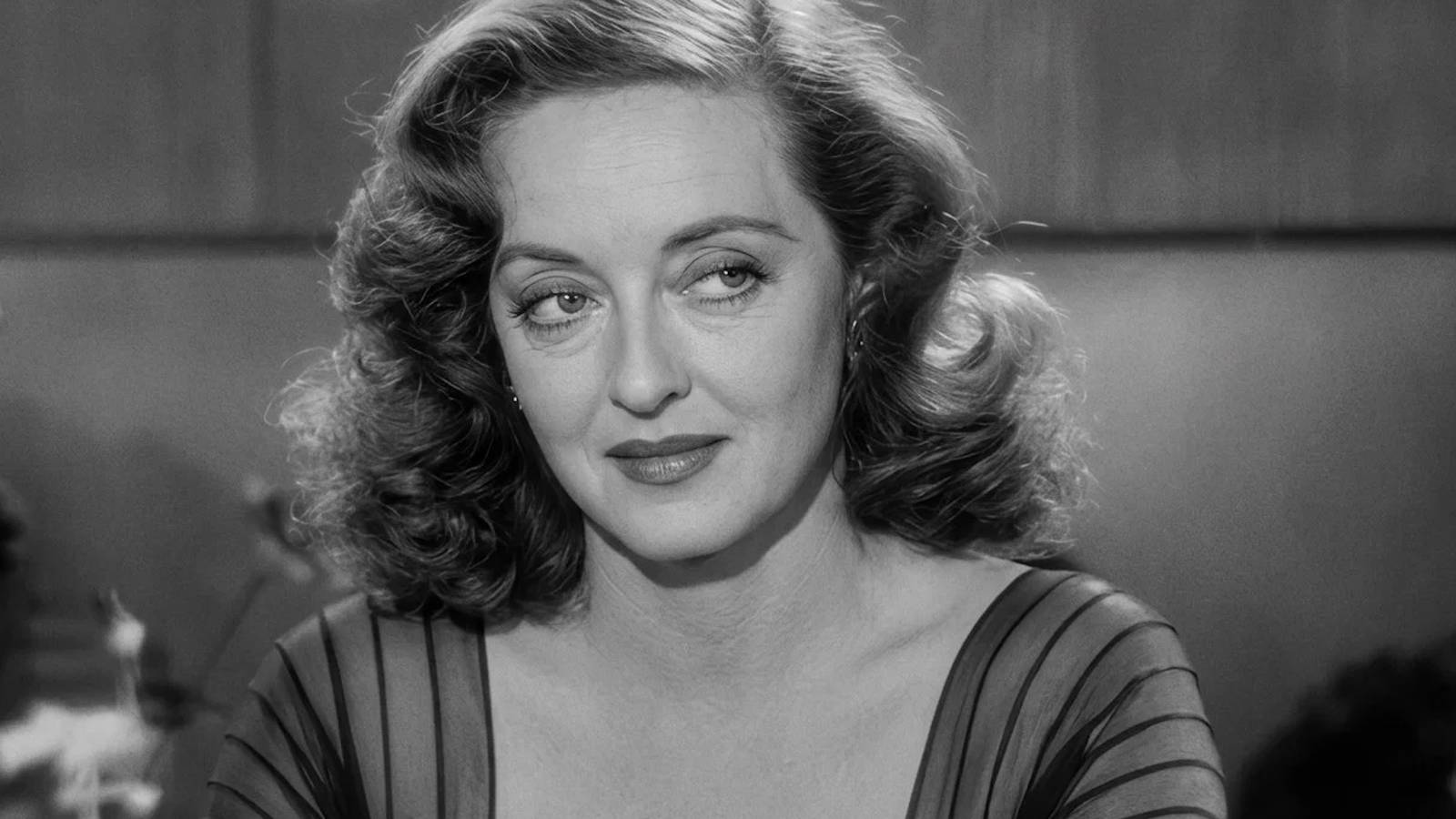
An ambitious young actress named Eve Harrington (Anne Baxter) worms her way into the life of Broadway legend Margo Channing (Bette Davis), slowly manipulating her way to fame. What starts as admiration curdles into rivalry, with the film dissecting vanity, insecurity, aging, and the ruthless nature of performance itself.
Perhaps nobody wants an All About Eve remake because the original is already terrifyingly modern. The dialogue crackles, Davis is untouchable, and its observations about fame and public image feel even more relevant today. A remake would likely overexplain or modernize ideas that already work perfectly. Half the appeal is watching Golden Age legends devour every scene with wit and precision. That kind of lightning doesn't strike twice.
4. Spirited Away (2001)
In Hayao Miyazaki's masterpiece, young Chihiro (Rumi Hiiragi) is trapped in a spirit world after her parents are turned into pigs. Forced to work in a bathhouse run by the witch Yubaba (Mari Natsuki), she navigates a strange landscape of gods, spirits, and creatures both whimsical and unsettling. It's a coming-of-age fantasy unlike anything else in animation.
The hesitation around remaking Spirited Away—especially in live action—stems from the fact that its magic is inseparable from its animated form. Miyazaki's world feels dreamlike because it isn't bound by realism, allowing emotion, symbolism, and visual imagination to flow freely. Not every beloved animation needs the Disney live-action treatment. Some stories are already definitive. Trying to realistically recreate No-Face or the bathhouse would only diminish the wonder.
5. Back to the Future (1985)
Marty McFly (Michael J. Fox) and Doc Brown (Christopher Lloyd) are so iconic that any attempt to recast them would be doomed. The time-travel trilogy is a perfect storm of wit, heart, and practical effects. Even the DeLorean has become a cultural touchstone, recently making a surprise cameo in Trash Mountain.
A remake would inevitably rely on CGI and lose the tactile charm of the original. Plus, the chemistry between Fox and Lloyd is irreplaceable. The franchise's legacy is best left untouched—or at most, expanded through new stories that respect the source.
6. Jaws (1975)
Steven Spielberg's shark thriller invented the summer blockbuster and terrified a generation out of the water. The mechanical shark may have malfunctioned, but that only forced Spielberg to build tension through suggestion—a technique modern CGI spectacles often forget.
Remaking Jaws would mean either updating the shark (and losing the suspense) or mimicking the original (and inviting unfair comparisons). Some films are so ingrained in cinema history that they should be studied, not remade.
7. Casablanca (1942)
Humphrey Bogart and Ingrid Bergman's wartime romance is the gold standard for melodrama. Every line is quotable, every glance loaded. The film's black-and-white photography and studio-bound sets add to its timeless allure.
A remake would struggle to capture the chemistry and the era's political urgency. Casablanca is a product of its time, and that's exactly why it endures. Trying to modernize it would only dilute its power.
8. The Wizard of Oz (1939)
Judy Garland's Dorothy and her journey down the Yellow Brick Road are woven into the fabric of American culture. The film's Technicolor fantasy and unforgettable songs have yet to be matched.
While Wicked and other spin-offs have found success, a direct remake of The Wizard of Oz feels unnecessary. The original is a piece of history—why compete with it?
These eight classics share a common thread: they're lightning in a bottle. Remakes might chase the same magic, but they'll never capture it. Some movies are best left exactly as they are—untouched, unrivaled, and endlessly rewatchable.