In the pre-streaming era, countless TV gems slipped through the cracks, and The 4400 is a prime example. Premiering in 2004, this USA Network series may not have dominated watercooler talk like Lost, but it carved out a devoted following and, remarkably, never produced a single dud episode. It's a rare feat for any show, let alone one that juggled high-concept sci-fi with deeply human drama.
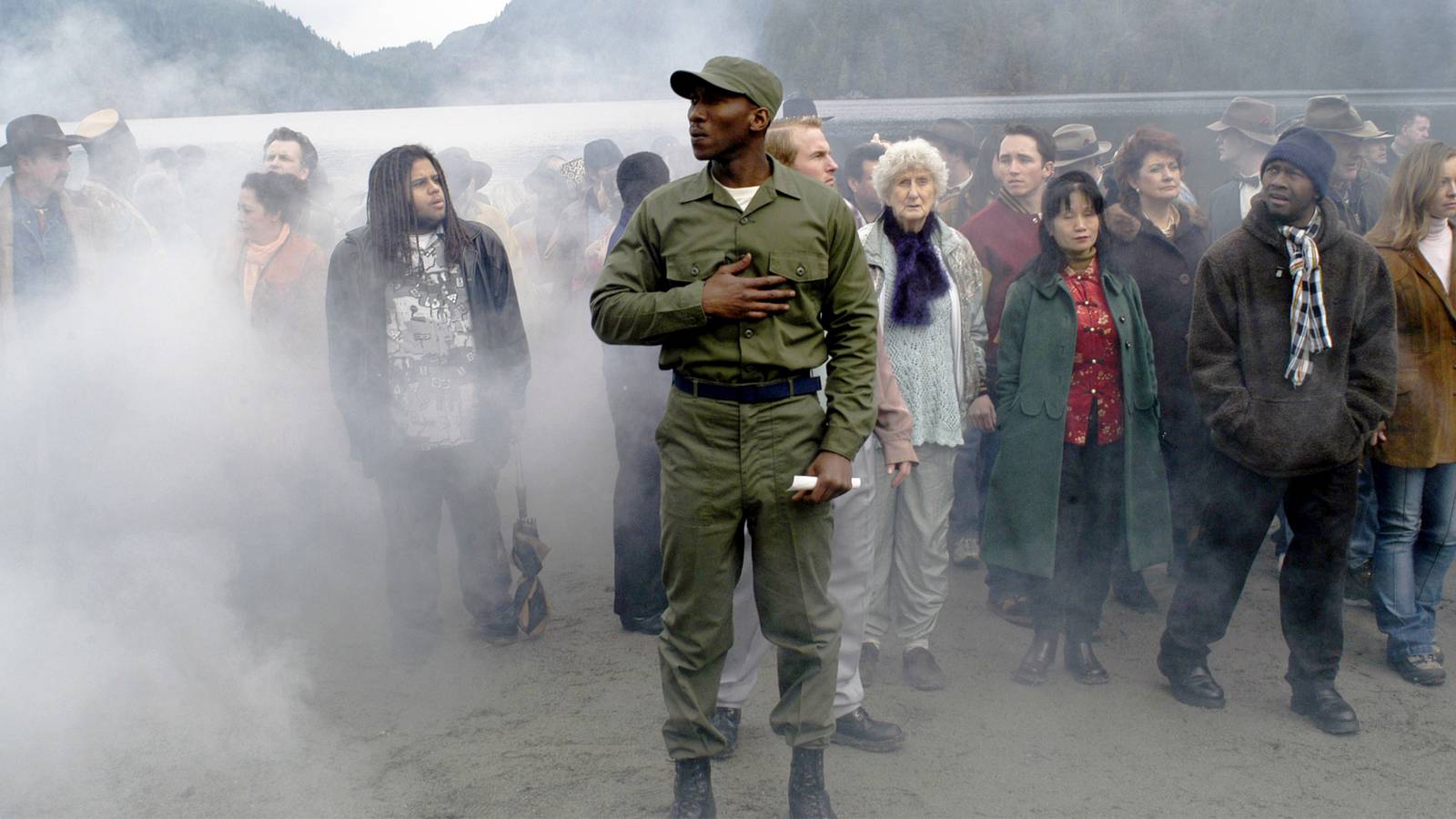
At its core, The 4400 is a puzzlebox mystery that predates and parallels the weirdness of Fringe. The premise is deceptively simple: 4,400 people, abducted at various points since 1946, suddenly reappear in a blinding flash of light in Washington state. They haven't aged a day, and some have developed extraordinary abilities. Homeland Security agents Tom Baldwin (Joel Gretsch) and Diana Skouris (Jacqueline McKenzie) are thrust into the investigation, trying to piece together why these people were taken and what their return means for humanity.
The show's brilliance lies in its character-driven approach. Each episode peels back layers of individual returnees, exploring their personal struggles and the ripple effects of their abilities. One standout is Richard Tyler, played by a pre-fame Mahershala Ali. Richard is a Korean War pilot who fell in love with a white woman, only to be abducted during a time of intense racial tension. Decades later, he returns to a world that has changed, and his story becomes intertwined with Lily (Laura Allen), his lover's granddaughter, who is also abducted and returns pregnant with his child. It's a poignant, complex narrative that showcases Ali's early talent.
What sets The 4400 apart is its willingness to subvert expectations. The initial alien abduction theory is quickly dismantled when it's revealed that the abductors were not extraterrestrials but humans from the future. They sent these 4,400 individuals back in time to avert a looming catastrophe. This twist elevates the series from a simple mystery to a philosophical exploration of fate, free will, and the consequences of power.
Each season raises the stakes, a rarity for high-concept shows that often lose steam. The central mystery evolves, but the heart remains with the characters. Once the initial question of 'why' is answered, the show pivots to the moral dilemmas of people wielding god-like abilities. It's a thoughtful, mature take on the superhero genre, predating the current boom by years.
Tragically, the 2008 Writers' Strike claimed another victim. The 4400 was canceled after four seasons, leaving fans with a cliffhanger. Yet, even in its truncated run, it never faltered in quality. Every episode is a testament to the writers' craft, delivering compelling stories without a single misstep. For those who missed it the first time, it's a hidden gem waiting to be discovered.
If you're a fan of shows where every episode is a masterpiece, The 4400 deserves a spot on your watchlist. It's a perfect blend of The X-Files and X-Men, with a dose of Lost-style mystery. And for those interested in Mahershala Ali's early work, it's a fascinating look at an actor before his Oscar-winning days. His recent projects, like his post-Blade thriller, show his range, but The 4400 remains a standout in his filmography.
So, if you're searching for a sci-fi series that's both intelligent and emotionally resonant, look no further. The 4400 may have been overlooked in its time, but it stands as a testament to what television can achieve when it takes risks. It's a show that, even two decades later, feels fresh and urgent.