The final shot of a movie is its last chance to leave a lasting impression. While many masterpieces end with forgettable images, some closing frames are so powerful they become iconic. From the shocking reveal in Planet of the Apes to the anarchic destruction in Fight Club, these final shots are perfect in their execution and emotional impact. Here are the most perfect final shots of the 20th century, ranked.
10. 'Fight Club' (1999)
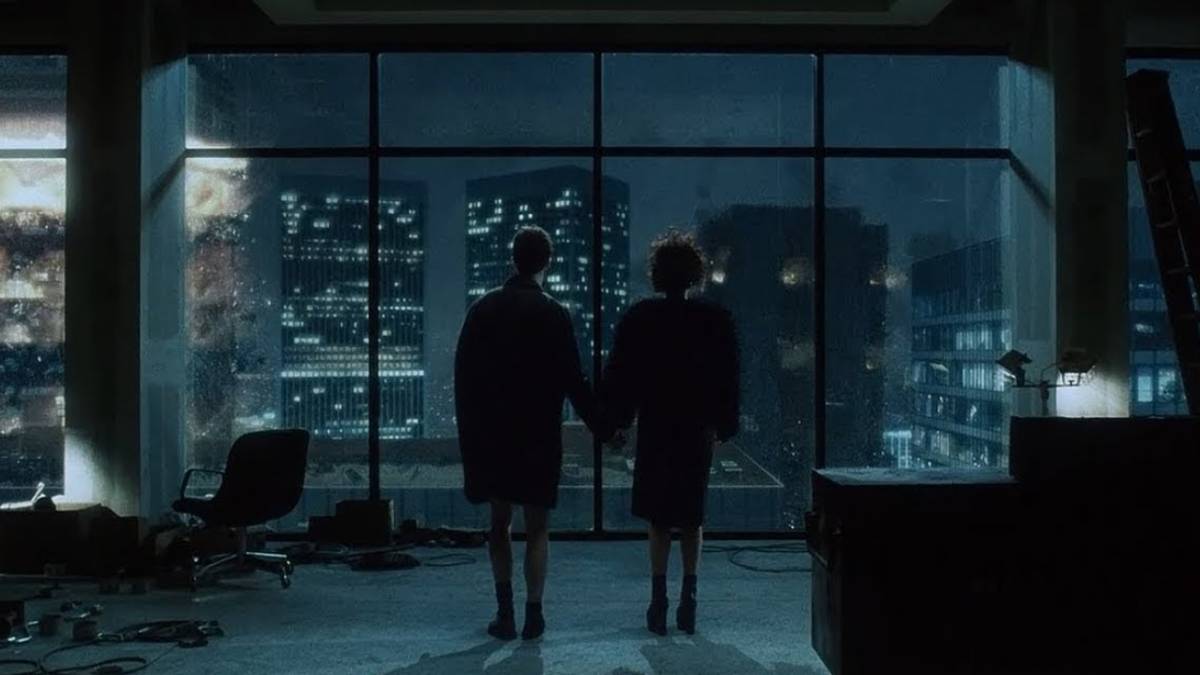
David Fincher's satire of masculinity and consumerism ends with a truly unforgettable image. The Narrator (Edward Norton) and Marla (Helena Bonham Carter) watch as financial buildings collapse in flames, set to the Pixies' "Where Is My Mind?" It's a moment of catharsis and confusion, leaving audiences questioning the film's message. The final shot, a brief flash of a penis, is a rebellious nod to the film's themes of chaos and control.
9. 'Raiders of the Lost Ark' (1981)
Steven Spielberg's adventure classic ends not with a bang, but with a crate. After securing the Ark of the Covenant, Indiana Jones (Harrison Ford) watches as it's filed away in a massive government warehouse. The final shot, a sea of identical crates, hints at countless other mysteries hidden from the world. It's a perfect blend of wonder and bureaucracy, leaving audiences wanting more.
8. 'Planet of the Apes' (1968)
One of cinema's greatest twists is delivered through its final shot. Astronaut Taylor (Charlton Heston) discovers he's been on Earth all along as the camera reveals a half-buried Statue of Liberty. The image is a powerful commentary on humanity's self-destruction, and it remains shocking even after decades of parody and cultural saturation.
7. 'Full Metal Jacket' (1987)
Stanley Kubrick's war film ends with a haunting image of soldiers marching through a burning city, singing the Mickey Mouse Club theme. The juxtaposition of innocence and horror is a perfect encapsulation of the film's themes of dehumanization and the absurdity of war. It's a final shot that lingers long after the credits roll.
6. 'The Godfather' (1972)
Francis Ford Coppola's masterpiece ends with a door closing on Michael Corleone (Al Pacino) as he becomes the new Don. The final shot, a slow zoom on Michael's face as he accepts the title, is a chilling portrait of power and corruption. It's a perfect ending to a film about family, loyalty, and the cost of ambition.
5. '2001: A Space Odyssey' (1968)
Stanley Kubrick's sci-fi epic ends with the Star Child, a glowing fetus floating in space. The image is both alien and familiar, suggesting a new stage in human evolution. It's a final shot that invites endless interpretation, cementing the film's status as a visionary work of art.
4. 'The Third Man' (1949)
Carol Reed's noir thriller ends with one of cinema's most famous long takes. Holly Martins (Joseph Cotten) waits for Anna (Alida Valli) at a cemetery, but she walks past him without a glance. The final shot, a slow zoom on Anna's face as she disappears into the distance, is a perfect blend of longing and resignation.
3. 'The Searchers' (1956)
John Ford's Western ends with Ethan Edwards (John Wayne) walking away from the homestead, framed by a doorway. The shot is a powerful symbol of isolation and the cost of obsession. It's a final image that captures the complexity of the American frontier and the loneliness of its heroes.
2. 'Citizen Kane' (1941)
Orson Welles's masterpiece ends with a shot of a sled burning in a furnace. The camera lingers on the word "Rosebud" as it's consumed by flames, revealing the mystery of Charles Foster Kane's final word. It's a perfect final shot that encapsulates the film's themes of loss, memory, and the elusive nature of happiness.
1. 'The 400 Blows' (1959)
François Truffaut's coming-of-age film ends with a freeze-frame of Antoine Doinel (Jean-Pierre Léaud) at the beach. The shot captures a moment of freedom and uncertainty, as Antoine looks back at the camera. It's a perfect final image that leaves the audience with a sense of hope and melancholy, a testament to the power of cinema.
These final shots are more than just endings; they are statements. They define the films they belong to and continue to resonate with audiences decades later. Whether shocking, poignant, or thought-provoking, these images prove that a great final shot can elevate a movie from good to unforgettable.