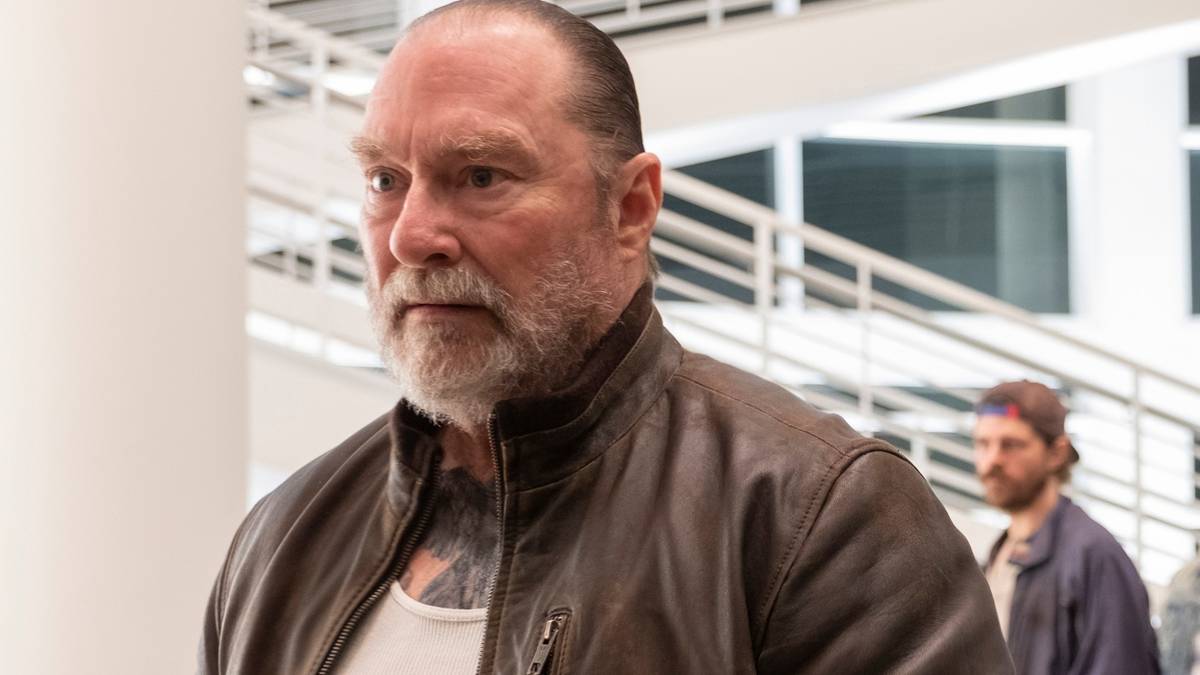
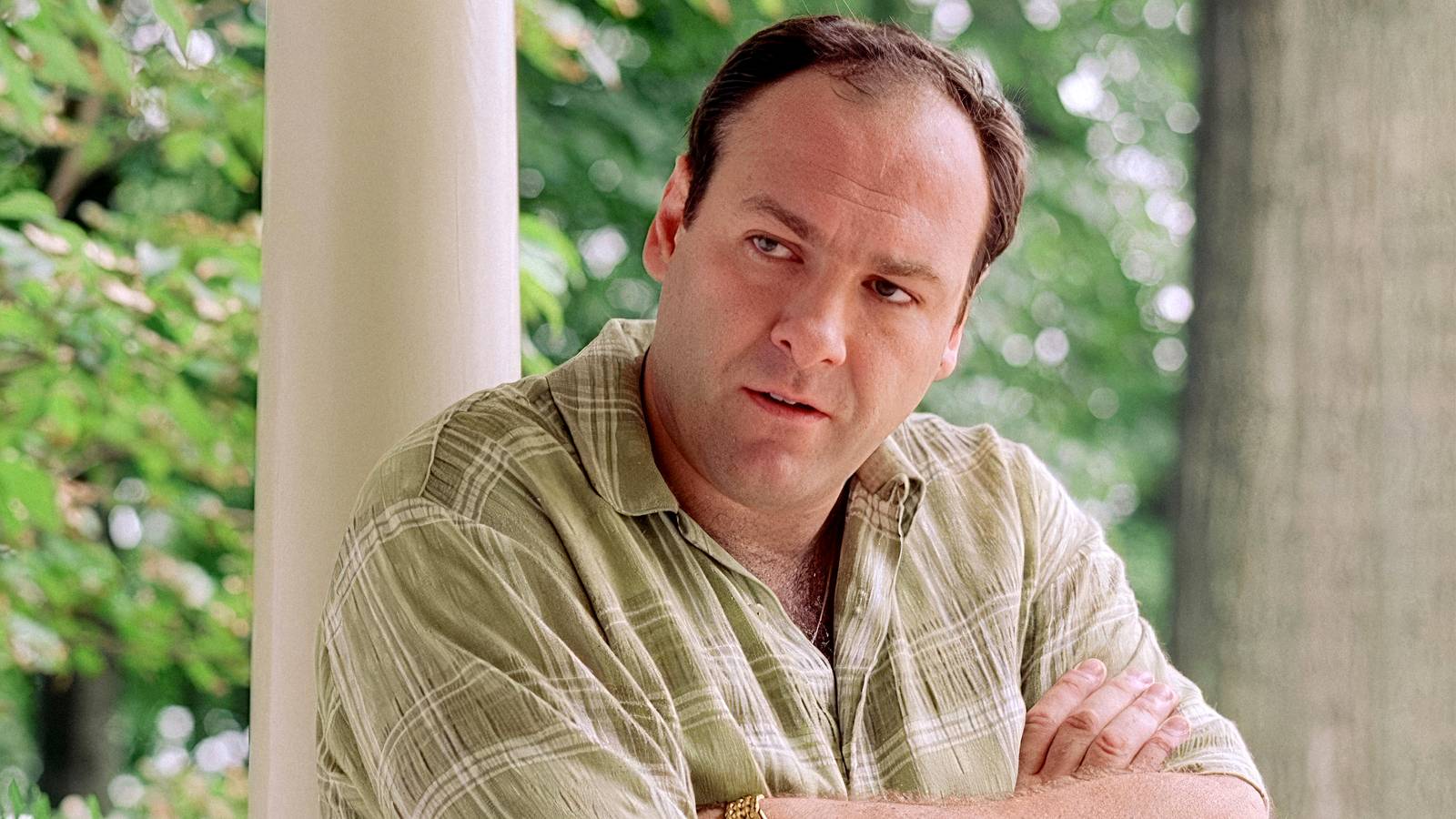
When HBO first unleashed The Sopranos in 1999, it didn't just change television—it rewired the medium's DNA. David Chase's mob epic proved that the small screen could handle the same moral complexity, visceral violence, and psychological depth as any prestige film. For over two decades, every crime drama that followed has been measured against that towering benchmark. But while many have tried to capture that lightning in a bottle, only one show has truly come close: Barry, Bill Hader's four-season masterpiece that ran from 2018 to 2023.
Hader, best known for his sketch comedy on Saturday Night Live, might seem an unlikely heir to Chase's throne. Yet his transition from goofy impressions to a haunting exploration of a hitman's fractured psyche was anything but a fluke. Co-created with Alec Berg, Barry took a deceptively simple premise—a contract killer stumbles into an acting class while scouting his next target—and spun it into a genre-defying tour de force that pushed HBO's boundaries even further than its predecessor.
A Darkly Comic Descent into Violence
The show's first season lures viewers into a familiar world of Coen Brothers-esque crime comedy, complete with quirky characters and absurd situations. But Hader, who also directed many episodes, masterfully pulls the rug out from under the audience. By the season's end, we're plunged into the tortured mind of Barry Berkman (Hader), a man whose violent profession clashes violently with his yearning for a normal life. That tonal whiplash becomes the series' signature, as it careens between laugh-out-loud moments and gut-wrenching drama without ever feeling jarring.
What sets Barry apart is its refusal to let its protagonist off the hook. Unlike many antiheroes who bask in their moral ambiguity, Barry is haunted by his actions. The show's dark humor never undermines the weight of his crimes—instead, it amplifies the tragedy. Hader's performance is a revelation, capturing both the deadpan detachment of a killer and the desperate vulnerability of a man seeking redemption he knows he doesn't deserve.
More Than Just a Hitman Story
While Barry sits at the center, the series devotes equal attention to the equally cutthroat worlds of Hollywood and the underworld. Sally Reed (Sarah Goldberg) starts as a hopeful actress whose ambitions get crushed by the industry's cold capitalism. Gene Cousineau (Henry Winkler), Barry's acting coach, uses performance as a shield against his own demons, which only multiply after a devastating loss. And then there's NoHo Hank (Anthony Carrigan), the cheerfully menacing Chechen mobster whose arc is both hilarious and heartbreaking.
These intersecting storylines allow Barry to explore themes of identity, ambition, and the stories we tell ourselves to survive. It's a show that's as much about the lies we perform for others as it is about the violence we inflict. Hader's cinephile sensibilities shine through in every frame, from breathtaking action sequences to surreal dreamlike interludes, making it a feast for film-savvy viewers.
Over its four seasons, Barry grew bolder and more experimental, embracing meta-textual storytelling and off-kilter sensibilities. Some may have found the final season divisive, but its audacity is precisely why it will endure. In a landscape crowded with crime dramas, Barry stands alone as a singular vision—a show that dared to be funny, brutal, and profound all at once.
For those who've been searching for a worthy successor to The Sopranos, look no further. And if you're in the mood for more compact crime storytelling, check out our list of detective series that nail it in under 20 episodes. Or, if you're curious about another HBO crime gem, read why Mare of Easttown remains a masterclass in the genre.