By the early 2000s, the Batman franchise was in critical condition. The neon-soaked disaster of Batman & Robin had left audiences and critics alike with a sour taste, and the Caped Crusader seemed destined for the cinematic scrap heap. Yet Warner Bros. refused to give up on their most valuable property. After considering directors like Wolfgang Petersen and Darren Aronofsky, the studio took a gamble on Christopher Nolan, a filmmaker fresh off the critical successes of Memento and Insomnia.
That gamble paid off in spectacular fashion. Nolan's trilogy—Batman Begins, The Dark Knight, and The Dark Knight Rises—reinvented the superhero genre for adult audiences, trading campy toy-selling antics for gritty realism and psychological depth. Between 2005 and 2012, these films shattered box office records and earned near-universal acclaim, cementing themselves as the definitive take on the Dark Knight for generations. Here's how they stack up, from the weakest to the absolute best.
3. The Dark Knight Rises (2012)
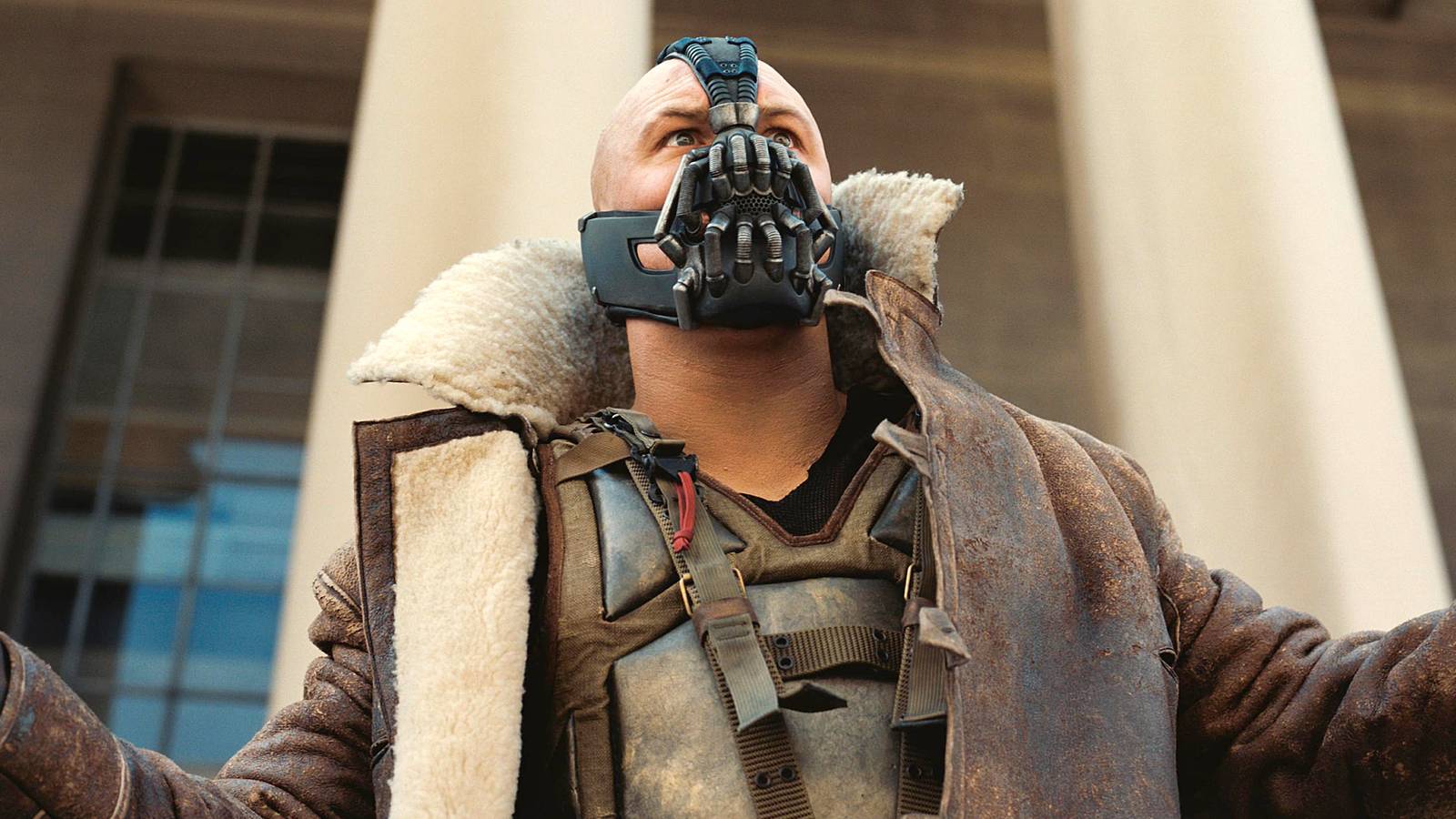
Let's be honest: even the weakest entry in Nolan's trilogy is a cinematic powerhouse. The Dark Knight Rises is an operatic, bombastic epic that sees Gotham City under siege by the masked behemoth Bane. It's a film of grand spectacle and high tension, but it's also the most flawed of the three. Plot holes abound—some big enough to fly a Batplane through—and Tom Hardy's muffled, theatrical accent as Bane has become a meme in its own right.
Yet, on sheer entertainment value, this film might actually top the list. Anne Hathaway's Selina Kyle is a scene-stealer, delivering a performance that's both playful and poignant. The action sequences are jaw-dropping, especially the climactic daylight chase that symbolizes Bruce Wayne finally emerging from the shadows. While it lacks the tight focus of its predecessor, The Dark Knight Rises is a satisfying conclusion to Bruce's arc, even if it doesn't reach the heights of what came before.
2. Batman Begins (2005)
When Batman Begins hit theaters, audiences were skeptical. But Nolan's fresh take—grounded, character-driven, and unafraid to delve into Bruce Wayne's psyche—was a revelation. The film spends a full hour establishing Bruce's tragic backstory, his training with the League of Shadows, and his transformation into a symbol of fear. It's a slow burn that pays off, with Christian Bale delivering a nuanced performance that balances brooding intensity with vulnerability.
The film's greatest strength is its emotional core, anchored by the tender relationship between Bruce and Alfred, played with warmth by Michael Caine. Roger Ebert, who had dismissed earlier Batman films, gave it four stars, calling it "the Batman movie I've been waiting for." While it was somewhat overshadowed by its sequel, Batman Begins remains a masterclass in superhero origin storytelling.
1. The Dark Knight (2008)
Is The Dark Knight a perfect film? Not technically—there are plot holes and leaps of logic. But it's so relentlessly entertaining that you don't notice until the credits roll. This is one of the few true cultural events of the 21st century, a film that redefined what comic-book movies could be. Released just weeks after Iron Man launched the MCU, it proved that superhero films could be dark, complex, and emotionally devastating.
At the heart of its legacy is Heath Ledger's iconic performance as the Joker—a chilling, anarchic force that dominates every scene he's in. Ledger's tragic death before the film's release only added to its mystique, but the performance stands on its own as one of cinema's greatest villains. The Dark Knight is a gripping crime saga that explores themes of chaos, morality, and sacrifice, and it remains the gold standard for superhero cinema. For more on Batman's cinematic history, check out our ranking of 80s and 90s Batman films, or dive into the best thrillers since 2010.