Writing a satisfying ending is one of the hardest feats in storytelling. A great final line can elevate a book from memorable to legendary, leaving readers with a lingering emotion or a new perspective. In the realm of fantasy, where worlds are vast and stakes are cosmic, the closing words often carry immense weight. Here are the ten most unforgettable final lines in fantasy literature, ranked.
10. The Anvil of the World (2003)
Kage Baker's underrated gem follows Smith, a cynical smuggler who discovers he is the titular Anvil, a being whose arm can reshape the world. After a journey with the annoying but endearing Lord Ermenwyr, Smith chooses to sever his arm to prevent its power from being misused. The final line, "The shadow has passed from the door," is deceptively simple. For a character who has seen the worst of the world, this line signals a rare moment of hope, making it a quietly powerful conclusion.
9. The Princess Bride (1973)
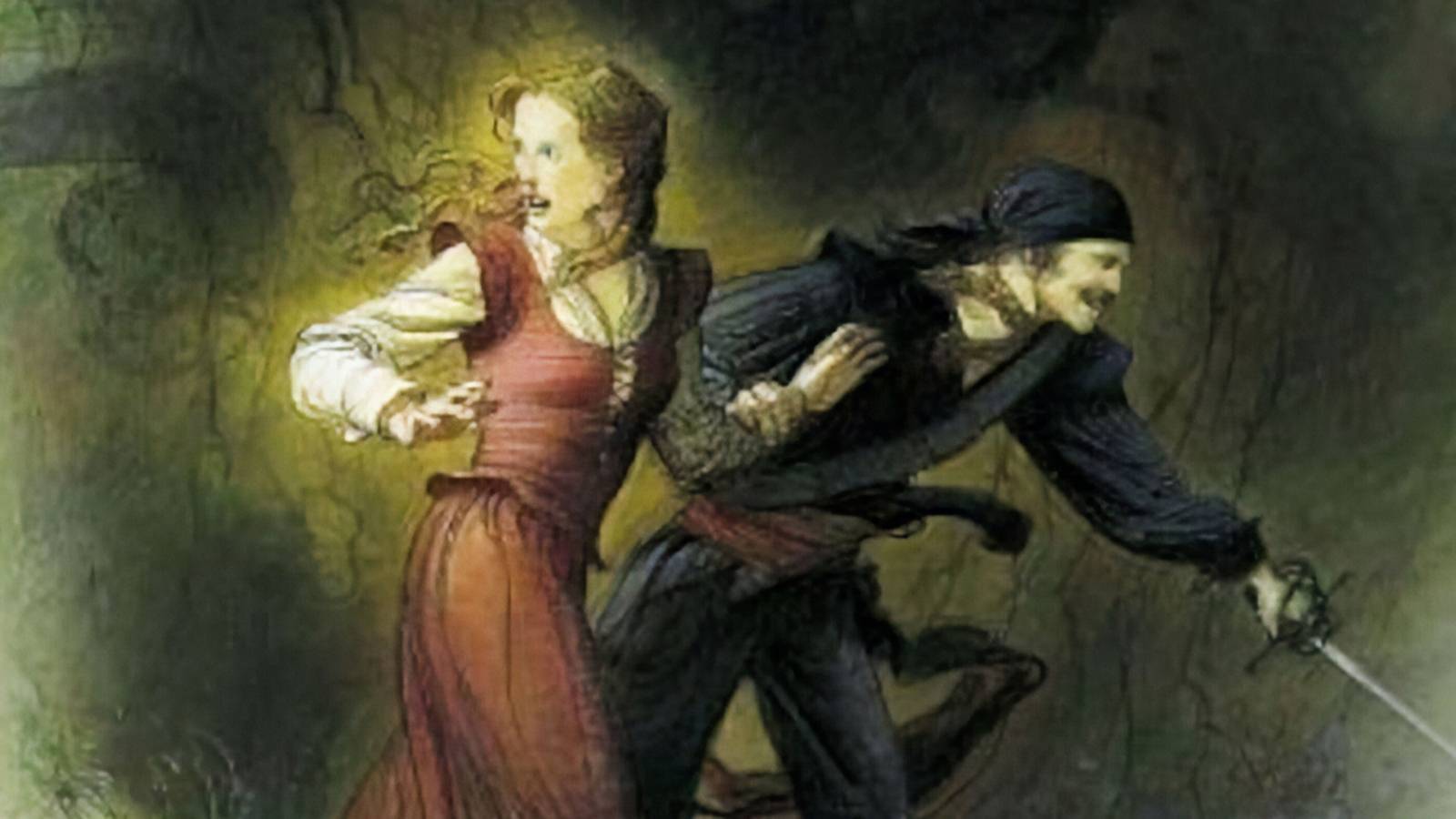
William Goldman's classic is known for its wit and meta humor, but its ending takes a surprisingly philosophical turn. After the adventure concludes, the narrator reflects: "I mean, I really do think that love is the best thing in the world, except for cough drops. But I also have to say, for the umpty-umpth time, that life isn't fair. It's just fairer than death, that's all." This blend of humor and wisdom reminds us that even in a fairy tale, life's imperfections are part of the charm.
8. Inheritance (2011)
Christopher Paolini's Inheritance Cycle may not be critically acclaimed, but it holds a special place for many young readers. In the final book, Eragon defeats the tyrant Galbatorix but chooses to leave his homeland to raise dragons in peace. The last line, "And then he turned his back on Alagaësia and looked toward the dark," captures the bittersweet nature of his choice. It's a line that speaks to the burden of responsibility and the unknown future that lies ahead.
7. The Last Battle (1956)
C.S. Lewis concludes his Chronicles of Narnia with an apocalyptic battle that leads to the world's end—and its rebirth. Aslan's final words, "And as He spoke, He no longer looked to them like a lion... now at last they were beginning Chapter One of the Great Story which no one on Earth has read: which goes on forever: in which every chapter is better than the one before," offer a profound sense of hope. It's a reminder that endings can be beginnings, and that the story never truly ends.
6. The Crippled God (2011)
Steven Erikson's Malazan Book of the Fallen is a sprawling epic, and its final volume delivers a gut-wrenching conclusion. The last line, "And now the page before us blurs." (or similar) is a meta moment that acknowledges the reader's emotional investment. It's a line that breaks the fourth wall, inviting us to reflect on the journey we've taken and the sacrifices made along the way.
5. A Memory of Light (2013)
The Wheel of Time series ends with a monumental battle, and the final line, "He came like the wind, like the wind touched everything, and like the wind was gone," is a poetic tribute to the protagonist Rand al'Thor. It captures his ephemeral nature and the legacy he leaves behind. For fans who followed Rand's journey for fourteen books, this line is both heartbreaking and beautiful.
4. A Game of Thrones (1996)
George R.R. Martin's first book in A Song of Ice and Fire ends with Daenerys Targaryen emerging from a funeral pyre with three baby dragons. The final line, "For the first time in hundreds of years, the night came alive with the music of dragons," is a chilling promise of the chaos to come. It's a line that signals the rebirth of magic and the beginning of a new era.
3. The Lord of the Rings (1955)
J.R.R. Tolkien's epic concludes with Samwise Gamgee's simple yet profound words: "Well, I'm back." After all the adventures and trials, Sam returns home to his family, and this line encapsulates the theme of returning to ordinary life after extraordinary experiences. It's a quiet ending that resonates deeply, reminding us that sometimes the greatest heroism is in finding peace.
2. The Name of the Wind (2007)
Patrick Rothfuss's debut novel ends with Kvothe, now a broken innkeeper, saying, "It was the patient, cut-flower sound of a man who is waiting to die." This line is haunting, setting the stage for a tragic tale. It's a masterclass in creating intrigue and melancholy, leaving readers desperate to know how a brilliant young man fell so far.
1. The Book of the New Sun (1980-1987)
Gene Wolfe's masterpiece ends with Severian's final reflection: "We believe that we invent symbols. The truth is that they invent us; we are their creatures, shaped by their contours." This line is a profound meditation on the nature of storytelling and identity. It's a fitting end to a series that is as much about the power of narrative as it is about the journey of its protagonist. For those who appreciate fantasy novels that challenge the mind, this is the ultimate payoff.
These final lines are more than just words; they are the culmination of entire worlds, the echoes of epic journeys, and the keys to understanding the stories we love. Whether they bring hope, melancholy, or a new perspective, they remind us why we read fantasy: to experience the extraordinary and to find meaning in the impossible.