Some movies are simply entertaining. Others change the rules of the game entirely. The most groundbreaking films in history are the ones that, decades later, still feel fresh, still inspire new generations of filmmakers, and still make audiences wonder, "How did they do that?" They're the films that pushed technical boundaries, shattered narrative conventions, and proved that cinema could be so much more than moving pictures with sound.
Here are the ten most game-changing films ever made, ranked for their lasting impact on the art and business of movies.

10. Jaws (1975)
Steven Spielberg's Jaws didn't just scare people out of the water—it changed the way Hollywood did business. Before Jaws, summer was a dumping ground for studio leftovers. After its record-shattering release, the summer blockbuster was born. The film's simple premise—a giant shark terrorizes a beach town—was executed with such precision and suspense that it became the gold standard for thrillers. It proved that a well-told story could draw massive audiences, and its influence can be seen in every tentpole release that follows.
9. The General (1926)
Buster Keaton's silent masterpiece The General is a century old, yet it remains as thrilling and hilarious as the day it premiered. It's a comedy, a romance, an action film, and a war epic all rolled into one, with no dialogue to lean on. The film's elaborate chase sequences—a train pursued by Union soldiers, then the reverse—are so expertly staged that they feel like a precursor to Mad Max: Fury Road. The General proved that visual storytelling could be just as powerful as any spoken word, and it remains a benchmark for physical comedy and stunt work.
8. Psycho (1960)
Alfred Hitchcock's Psycho is famous for one scene, but that scene changed everything. When Marion Crane is murdered in the shower, audiences were stunned—the film's apparent protagonist was gone, barely halfway through. This bold narrative twist upended every expectation and made the rest of the film utterly unpredictable. Psycho also blurred the lines between horror and thriller, and its influence on slasher films and psychological thrillers is immeasurable. It's a film that dared to ask, "What if we break the rules?"—and cinema has never been the same.
7. Citizen Kane (1941)
Orson Welles's Citizen Kane is often called the greatest film ever made, and for good reason. Its innovative use of deep focus, non-linear storytelling, and its exploration of a complex, flawed protagonist were revolutionary. The film's structure—a reporter investigating the meaning of a dying man's last word, "Rosebud"—was unlike anything audiences had seen. Citizen Kane didn't just tell a story; it showed what cinema could achieve as an art form, influencing everything from American cinema to the way filmmakers approach character and narrative.
6. Jurassic Park (1993)
Spielberg strikes again with Jurassic Park, a film that made dinosaurs feel real. The groundbreaking use of CGI combined with animatronics created creatures that were both awe-inspiring and terrifying. But beyond the technical wizardry, Jurassic Park was a masterclass in blockbuster filmmaking—a story about science gone wrong that was both thrilling and thought-provoking. It set a new standard for visual effects and proved that blockbusters could be smart, not just spectacular.
5. Star Wars (1977)
George Lucas's Star Wars didn't just launch a franchise—it launched a cultural phenomenon. Its blend of mythic storytelling, groundbreaking special effects, and a fully realized universe was unlike anything before. The film's success transformed Hollywood's approach to merchandising, sequels, and world-building. Star Wars also made science fiction mainstream, inspiring countless filmmakers and creating a template for the modern space opera. Its impact is so profound that it's hard to imagine cinema without it.
4. The Godfather (1972)
Francis Ford Coppola's The Godfather elevated the gangster film to high art. Its operatic scope, complex characters, and moral ambiguity were a departure from the black-and-white portrayals of good vs. evil. The film's influence can be seen in everything from crime dramas to prestige television. The Godfather proved that genre films could be serious, artistic, and commercially successful, and it remains a touchstone for filmmakers aiming for greatness.
3. 2001: A Space Odyssey (1968)
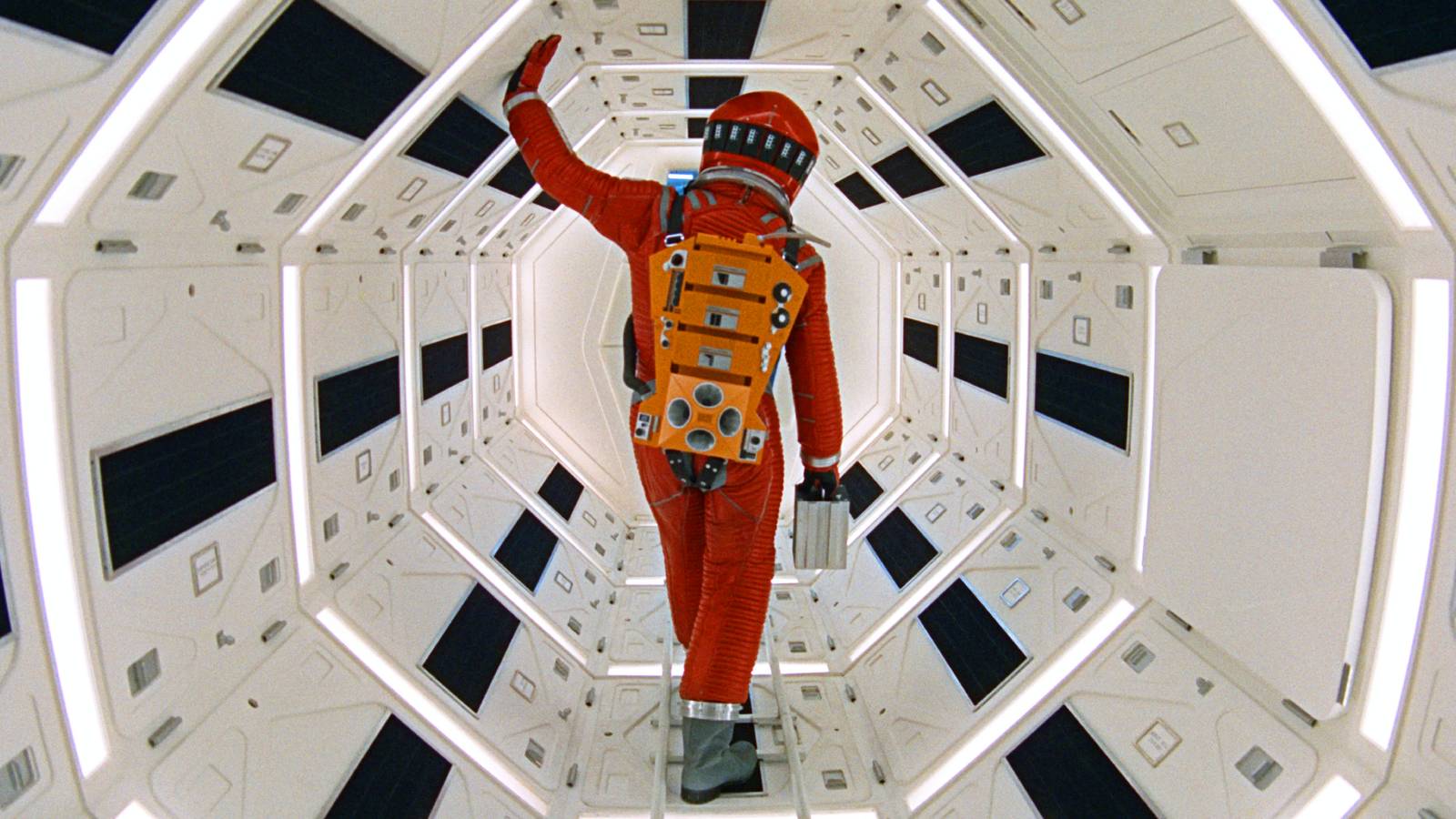
Stanley Kubrick's 2001: A Space Odyssey is a film that defies easy description. It's a science fiction epic that's more philosophical than action-packed, with a narrative that spans millions of years. Its groundbreaking visual effects, realistic depiction of space travel, and ambiguous ending were unlike anything audiences had seen. The film challenged viewers to think, not just be entertained, and its influence on sci-fi—from Interstellar to Arrival—is undeniable. 2001 remains a masterpiece of cinematic ambition.
2. The Lord of the Rings: The Fellowship of the Ring (2001)
Peter Jackson's adaptation of J.R.R. Tolkien's epic was a monumental achievement. It brought a beloved fantasy world to life with unprecedented scale and detail, using a combination of practical effects, CGI, and groundbreaking motion capture. The film's success proved that fantasy could be a major box office draw, and it paved the way for other epic adaptations like Game of Thrones. The Fellowship of the Ring also demonstrated that a faithful adaptation could be both critically acclaimed and commercially successful, setting a new bar for fantasy storytelling.
1. The Matrix (1999)
The Wachowskis' The Matrix was a seismic shift in action filmmaking. Its revolutionary "bullet time" effect, philosophical themes, and cyberpunk aesthetic were unlike anything before. The film's blend of martial arts, gunplay, and digital effects created a new visual language that countless films have since imitated. The Matrix also asked profound questions about reality and technology, making it a thinking person's action movie. Its influence is so pervasive that it's hard to find a modern action film that doesn't owe something to it.
These ten films didn't just entertain—they transformed the medium. They pushed boundaries, broke rules, and inspired generations. Whether you're a casual moviegoer or a die-hard cinephile, these are the films that define what cinema can be.