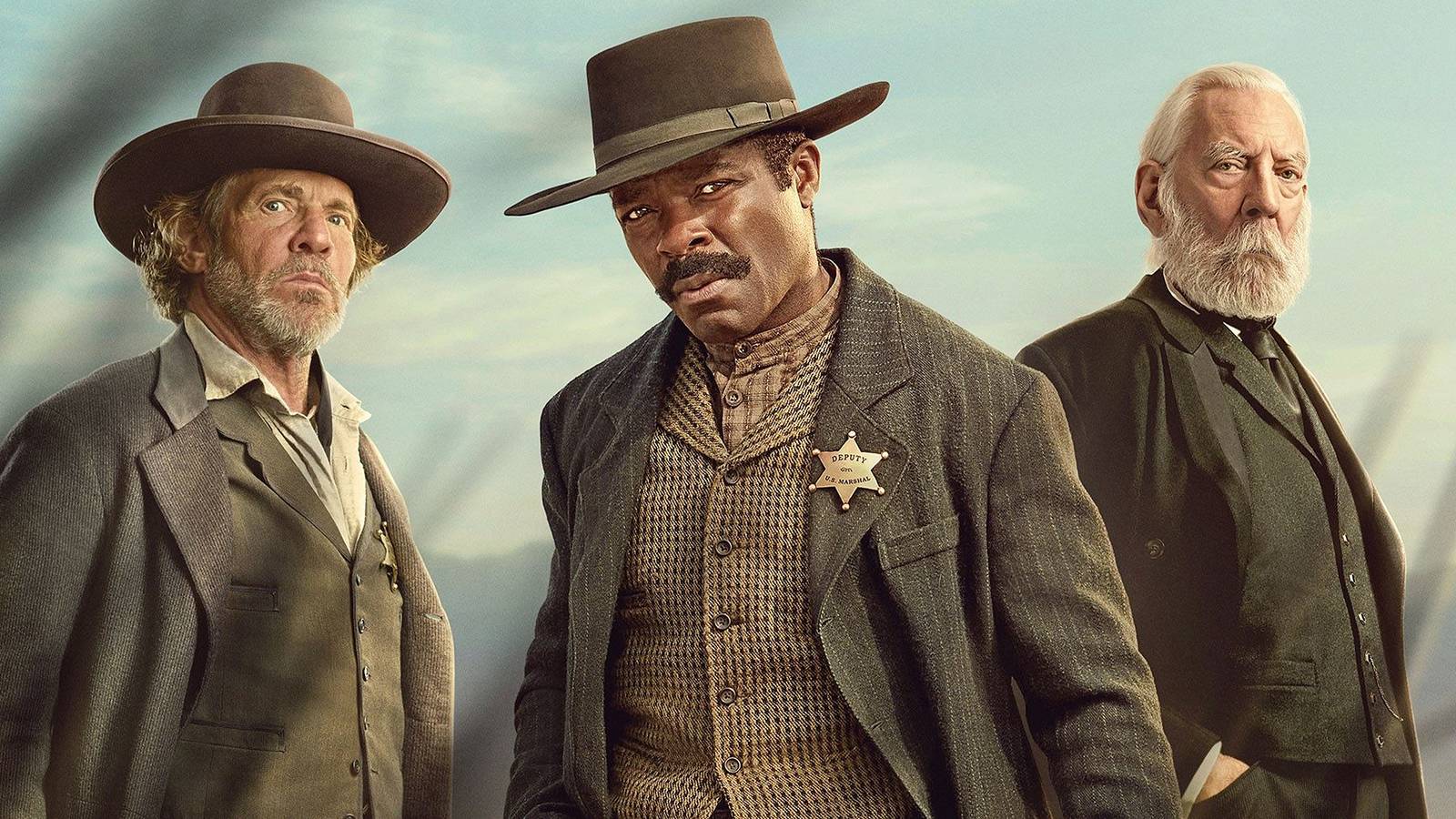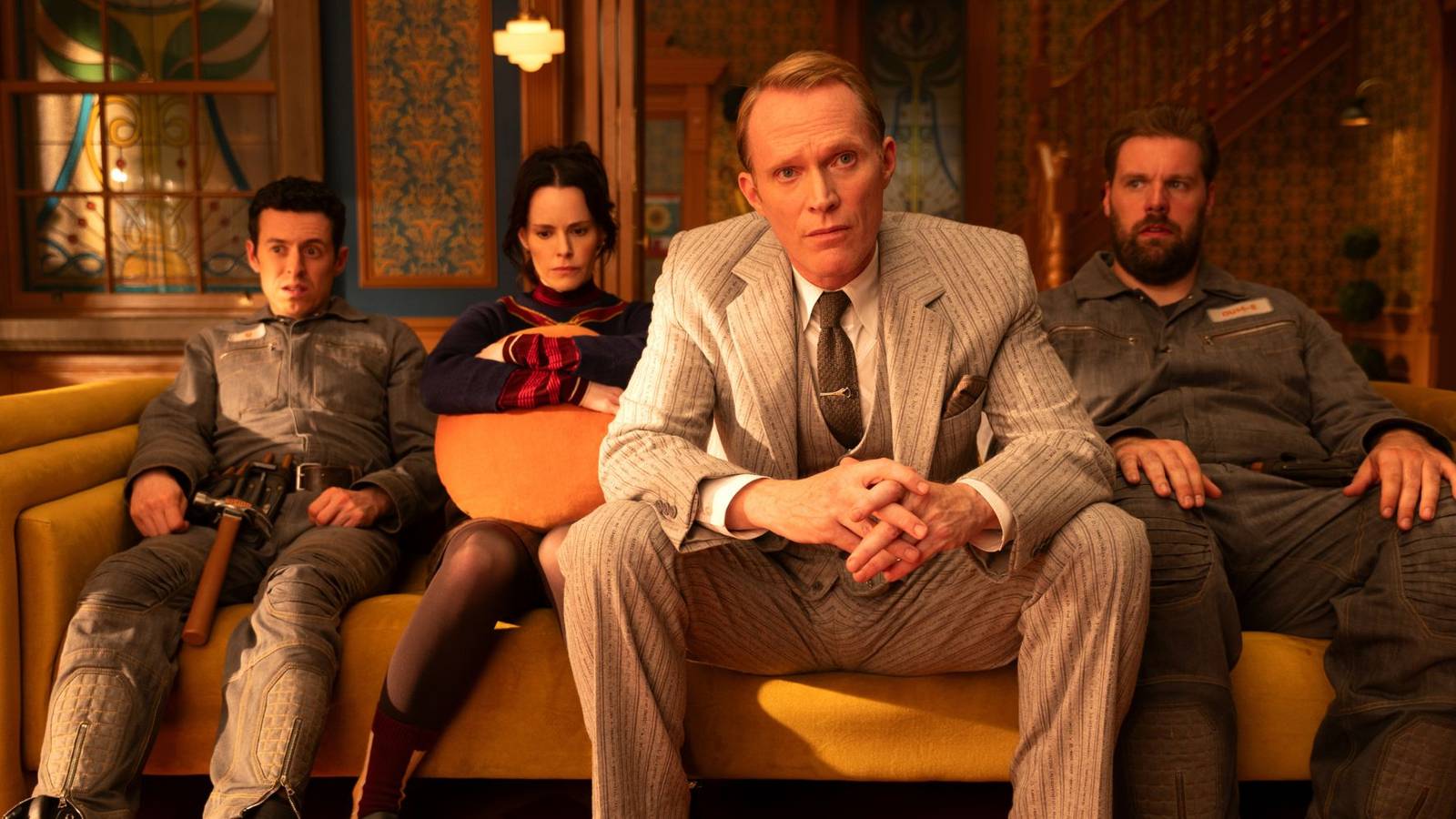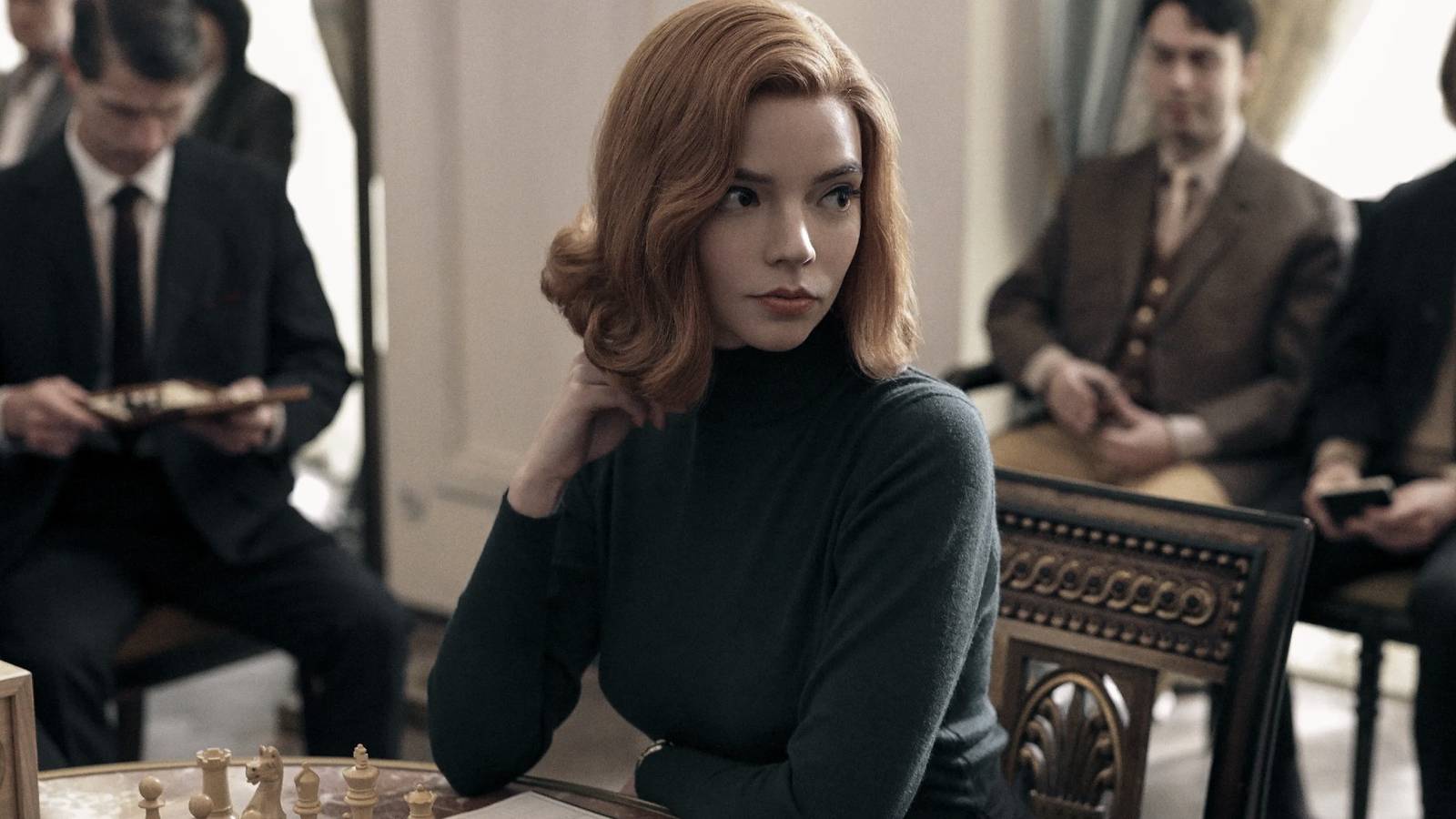
Streaming platforms have discovered a simple truth: label something a "limited series," and audiences will actually commit to finishing it. But crafting a truly perfect miniseries is far trickier than it appears. You can't rely on a cliffhanger to carry a weak middle, and stretching a four-hour idea into ten episodes will only invite scrutiny. The shows on this list nailed the format—whether by condensing a literary giant into six hours, turning a chess match into must-see TV, or making you dread a nuclear reactor you already know will fail. They told their story, wrapped it up, and left before anyone could beg for more.
10. War & Peace (2016)
Andrew Davies took on the monumental task of adapting Tolstoy's 1,200-page novel into six episodes for BBC One—a feat that seems absurd on paper. Paul Dano, Lily James, and James Norton anchor the three families at the heart of the story, moving through ballrooms and battlefields in a production that looks far more expensive than it was. The scope is vast, the costumes are stunning, and Davies' script makes the Napoleonic-era social dynamics surprisingly accessible, even for those who skipped their assigned reading.
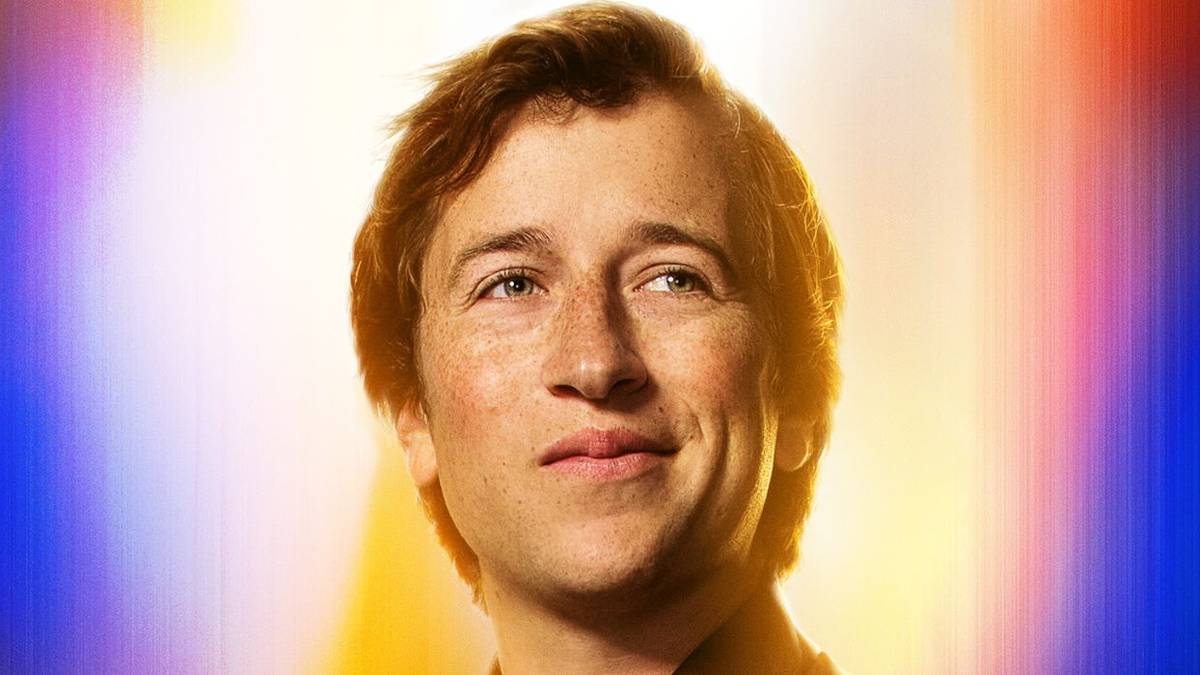
The narrative follows three aristocratic households through Napoleon's wars: Dano's Pierre, a wealthy bumbler searching for meaning; Norton's Prince Andrei, a disillusioned soldier; and James' Natasha, the young woman who complicates both their lives. Davies keeps the love triangles, the carnage, and the philosophical musings moving at a brisk pace, so you're never stuck in one place long enough to get restless. And the show does something most prestige adaptations fumble: it actually ends. Six episodes to tell one of the longest novels in Western literature without feeling rushed or truncated? That's a small-screen miracle.
9. Midnight Mass (2021)
Mike Flanagan's seven-episode Netflix series is set on Crockett Island, a dying fishing community that gets a jolt of energy when a charismatic young priest—Hamish Linklater, delivering the performance of his career—arrives to fill in for the aging monsignor. Strange things start happening at the parish. People are getting healthier. The island's faith is surging. And Flanagan, known for his haunted-house stories, is interested in something more elusive than a jump scare.
Midnight Mass asks its audience to sit through monologues. Long ones. Characters talk about their relationship to God, death, and addiction, all while supernatural stirrings happen in the background. That's a risky gamble that would sink a lesser series, but Flanagan writes dialogue that makes every word feel alive, almost antsy. The ensemble—Zach Gilford, Kate Siegel, Rahul Kohli—commits fully. The final two episodes are wild, and the fact that it wraps in seven hours means Flanagan never has to dilute the dread.
8. Generation Kill (2008)
David Simon and Ed Burns followed up The Wire by adapting Rolling Stone reporter Evan Wright's account of the 2003 invasion of Iraq, bringing the same institutional skepticism with them. The seven-episode HBO series follows First Recon Marines through the early weeks of the war, and it's less interested in heroics than in the grinding bureaucracy of combat. Orders contradict each other, and officers with no field instincts make calls that endanger their own men.
The cast was almost entirely unknown at the time, and everything feels so lived-in that it's easy to forget you're watching actors and not a documentary crew's footage. Generation Kill never became a cultural phenomenon the way Band of Brothers did, partly because it refused to give its audience a clean emotional arc. The war it depicts is chaotic, stupid even, and the series lets that marinate without trying to resolve it into meaning. Almost two decades on, it might be the most honest war story American television has produced.
7. Angels in America (2003)
Tony Kushner adapted his own Pulitzer-winning play into six episodes for HBO, directed by Mike Nichols with a cast that borders on ridiculous. We're talking Al Pacino, Meryl Streep, Jeffrey Wright, Mary-Louise Parker, and Emma Thompson. Set in 1985 New York during the Reagan era and the AIDS crisis, the story follows Prior Walter (Justin Kirk), a man visited by an angel after his diagnosis, alongside the closeted lawyer Roy Cohn (Pacino, absolutely unhinged and loving every second of it) and a tangle of relationships fracturing under political and personal pressure. It's a big, unwieldy, sometimes operatic piece of television, and it knows it.
Kushner's script shifts between realism, hallucination, and full-on magical surrealism without warning, and Nichols lets the actors match that energy. The whole thing could easily tip into prestige-TV self-importance, but Kushner keeps it grounded, and the show is unexpectedly funny. Angels in America is twenty-plus years old now and still feels like it's ahead of a lot of what's on television right now.
6. The Queen's Gambit (2020)
Scott Frank's adaptation of Walter Tevis's novel turned a chess prodigy's rise into a global phenomenon, thanks to Anya Taylor-Joy's mesmerizing performance as Beth Harmon. The seven-episode Netflix series follows Beth from an orphanage in Kentucky to the world stage, battling addiction and sexism along the way. It's a character study that never loses sight of the game, making chess feel as thrilling as any action sequence.
The show's visual style—from the period-perfect costumes to the meticulously choreographed matches—elevates it beyond a simple sports drama. And the ending, which avoids the clichés of triumph or tragedy, feels earned. The Queen's Gambit is a masterclass in pacing, proving that a limited series can be both intimate and epic in scope.
5. Band of Brothers (2001)
Steven Spielberg and Tom Hanks brought the story of Easy Company to life in this ten-part HBO miniseries, based on Stephen Ambrose's book. It follows the paratroopers from training in Georgia to the end of World War II, capturing both the brutality of combat and the bonds of brotherhood. The production values are staggering, with each episode directed by a different filmmaker, including David Nutter and Mikael Salomon.
What sets Band of Brothers apart is its commitment to authenticity—from the actors' grueling boot camp to the historically accurate details. It's a tribute to the soldiers who fought, but it doesn't shy away from the moral complexities of war. The series remains a benchmark for war storytelling, and its emotional resonance has only grown over time.
4. Chernobyl (2019)
Craig Mazin's five-part HBO series dramatizes the 1986 nuclear disaster with a chilling precision that feels almost documentary-like. Jared Harris, Stellan Skarsgård, and Emily Watson lead a cast that portrays the scientists, politicians, and firefighters caught in the catastrophe. The show doesn't just recount events; it dissects the systemic failures that led to the explosion and the cover-up that followed.
Chernobyl is a horror story, but not in the traditional sense. The real terror lies in the lies and the refusal to accept reality. Mazin's script, combined with Johan Renck's direction, creates an atmosphere of dread that lingers long after the final episode. It's a cautionary tale that feels more relevant than ever.
3. The Night Of (2016)
This eight-part HBO series, created by Richard Price and Steven Zaillian, is a legal drama that digs deep into the criminal justice system. Riz Ahmed stars as Nasir Khan, a Pakistani-American college student accused of murder after a night out goes horribly wrong. John Turturro plays the eczema-ridden lawyer who takes his case, and the series follows the investigation and trial with unflinching detail.
The Night Of is less about whodunit and more about the corrosive effects of the system on everyone involved. Ahmed and Turturro deliver career-best performances, and the show's portrayal of prison life is harrowing. It's a slow burn that rewards patience, and its ending is as ambiguous as it is powerful.
2. The People v. O.J. Simpson: American Crime Story (2016)
Ryan Murphy's anthology series kicked off with a bang, chronicling the O.J. Simpson trial with a cast that includes Cuba Gooding Jr., Sarah Paulson, and Sterling K. Brown. The ten-episode season focuses not just on the trial itself, but on the racial tensions and media circus that surrounded it. Paulson's portrayal of prosecutor Marcia Clark earned her an Emmy, and the show's writing is sharp and incisive.
What makes this miniseries so compelling is its ability to make a case everyone knows the outcome of feel suspenseful. It's a commentary on race, fame, and justice in America, and it remains one of the most talked-about shows of the decade.
1. The Queen's Gambit (2020) — Wait, It's Already #6
Actually, the top spot belongs to Band of Brothers—no, let's be honest: the most perfect miniseries of the last 30 years is Chernobyl. Its tight five-episode structure, devastating performances, and unflinching look at a man-made disaster make it a masterpiece. It's a show that educates, horrifies, and moves you in equal measure, and it never overstays its welcome.
From the haunting sound design to the meticulous attention to detail, Chernobyl is a testament to what the limited series format can achieve. It's a perfect storm of writing, acting, and direction, and it sets the bar for everything that follows.