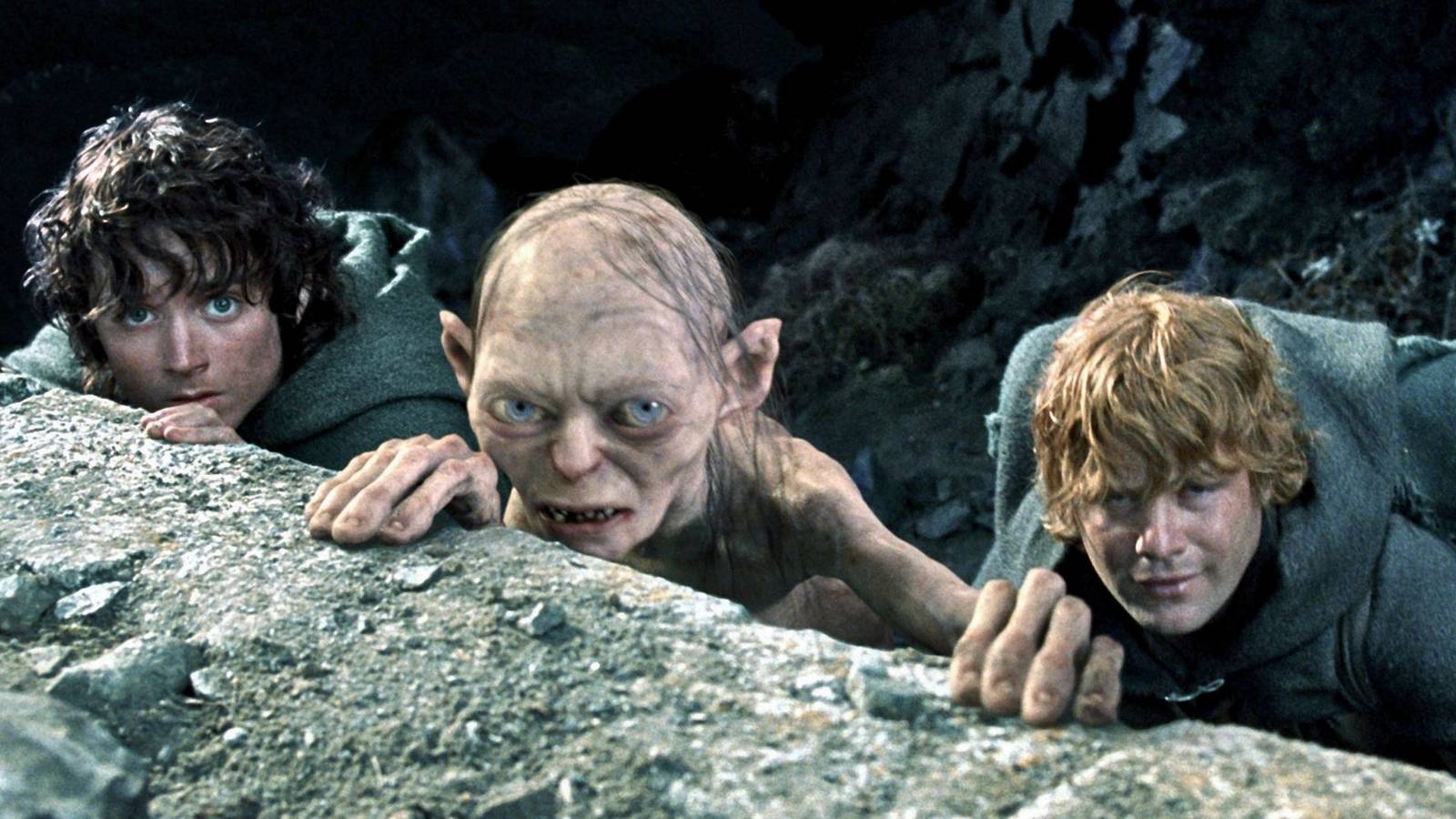
Fantasy fiction has always offered readers a passport to realms beyond imagination—places where magic is real, heroes rise, and the impossible becomes tangible. While many of these worlds have been vividly brought to life on screen, their true origins lie in the pages of novels that have shaped the genre for generations. From epic sagas to intimate tales of wonder, these ten books and series stand as the pinnacle of fantasy literature.
Ranking the best fantasy books is no easy task, as the genre is vast and varied. But these works have not only defined their era but continue to influence writers, filmmakers, and readers alike. Whether you're a seasoned fan or new to the genre, these stories are essential reading.
10. Jonathan Strange & Mr. Norrell by Susanna Clarke (2004)
Susanna Clarke's debut novel is a masterful blend of historical fiction and dark fantasy. Set in an alternate 19th-century England during the Napoleonic Wars, it follows the reclusive Mr. Norrell and his ambitious pupil Jonathan Strange as they attempt to revive practical magic. Their rivalry and differing philosophies on magic lead them into dangerous dealings with faeries, threatening the nation's war efforts. Clarke's prose mimics the style of Jane Austen and Charles Dickens, creating a rich pastiche that feels like a lost Regency classic. The book's deep fictional history of English magic and the enigmatic Raven King adds layers of authenticity. It won the Hugo Award for Best Novel in 2005 and was adapted into a BBC miniseries in 2015.
9. His Dark Materials by Philip Pullman (1995–2000)
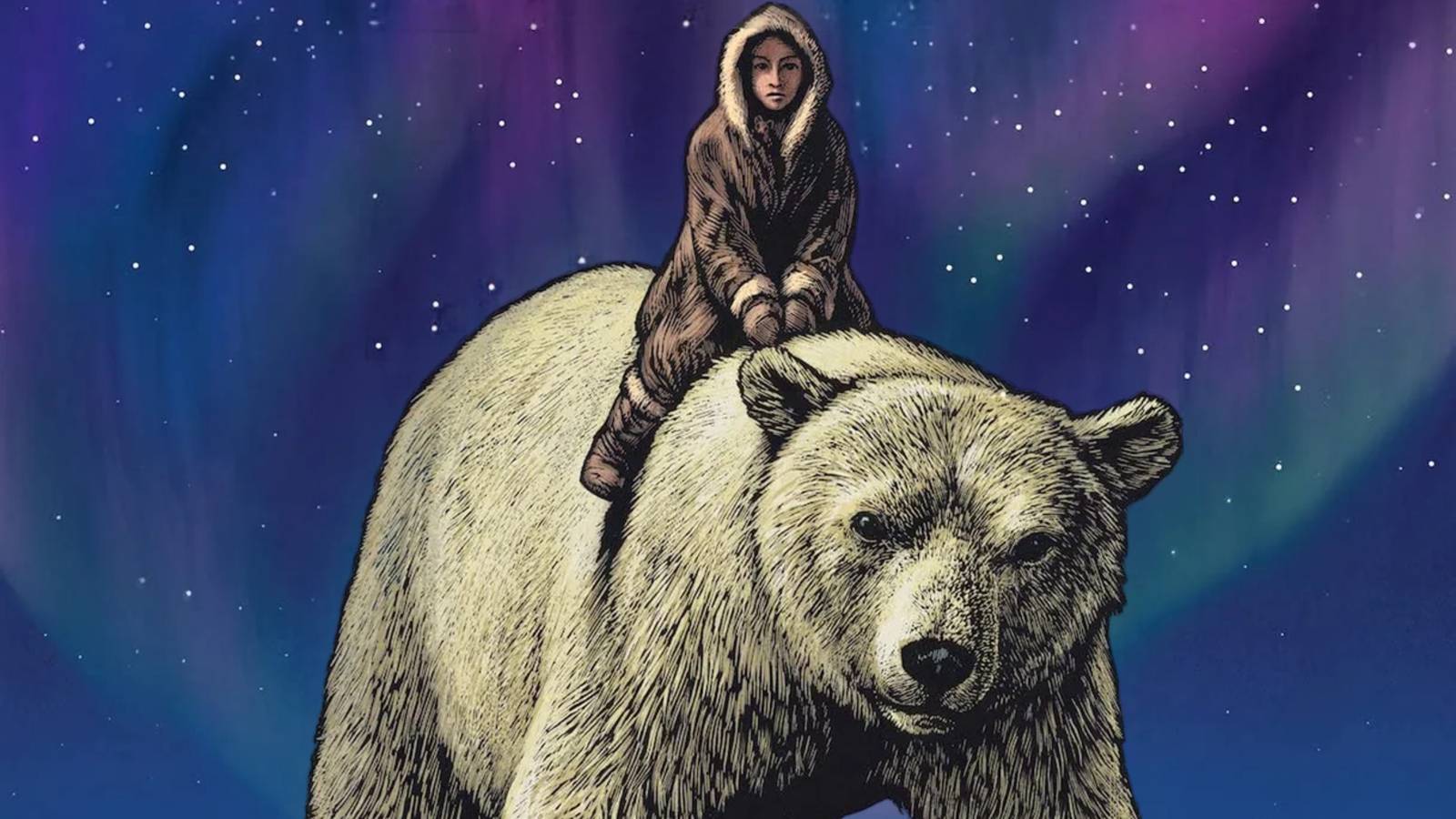
Philip Pullman's trilogy—The Golden Compass, The Subtle Knife, and The Amber Spyglass—is a cornerstone of young adult fantasy. It follows Lyra Belacqua and Will Parry as they traverse parallel universes filled with witches, armored polar bears, and the mysterious Dust. Pullman weaves together coming-of-age themes with profound philosophical and theological questions, challenging authoritarian structures and celebrating free will. The concept of dæmons—external animal companions that reflect a person's inner self—adds emotional depth. The series has won numerous awards, including the Carnegie Medal and the Whitbread Book of the Year, and has been adapted into a film and a successful TV series.
8. The Dark Tower by Stephen King (1982–2012)
Stephen King, known primarily for horror, proves his versatility with this genre-blending epic. The series follows Roland Deschain, the last gunslinger, on his quest to reach the Dark Tower, a mystical nexus that holds the universe together. King mixes dark fantasy, Western, science fiction, and Arthurian legend, creating a unique narrative that spans multiple dimensions and connects to many of his other works. The series, which took over three decades to complete, is considered by many fans to be his magnum opus. A 2017 film adaptation was poorly received, but a TV series from Mike Flanagan is in development.
7. The Wheel of Time by Robert Jordan and Brandon Sanderson (1990–2013)
This monumental 14-book series is a high-fantasy epic that redefined the genre. Robert Jordan began the saga, and after his death, Brandon Sanderson completed it. The story is set in a world where magic is channeled by women, and the protagonist, Rand al'Thor, is destined to fight the Dark One. The series is known for its intricate world-building, complex politics, and deep character development. It has been adapted into a popular Amazon Prime series, bringing Jordan's vision to a new generation.
6. The Earthsea Cycle by Ursula K. Le Guin (1968–2001)
Ursula K. Le Guin's Earthsea series is a landmark in fantasy literature. It follows the wizard Ged from his humble beginnings to his role as Archmage, exploring themes of balance, identity, and the power of language. Le Guin's prose is poetic and philosophical, and her world-building is subtle yet profound. The series has been praised for its diverse characters and its critique of traditional fantasy tropes. It has been adapted into various media, including a Studio Ghibli film and a TV miniseries.
5. The Chronicles of Narnia by C.S. Lewis (1950–1956)
C.S. Lewis's beloved series transports readers to the magical land of Narnia, where animals talk, and good battles evil. The seven books, starting with The Lion, the Witch and the Wardrobe, are rich with Christian allegory and timeless moral lessons. Lewis's imaginative world has captivated readers for decades and has been adapted into multiple films and TV series. The series remains a staple of children's literature and a gateway to fantasy for many.
4. The Name of the Wind by Patrick Rothfuss (2007)
Patrick Rothfuss's debut novel is a modern masterpiece of fantasy. It tells the story of Kvothe, a legendary figure who recounts his life from a gifted child to a notorious magician. The book is praised for its lyrical prose, intricate plotting, and deep character study. Rothfuss's world is richly detailed, and his magic system is both logical and mysterious. The series, known as the Kingkiller Chronicle, has a devoted following, though the third book is eagerly awaited.
3. A Song of Ice and Fire by George R.R. Martin (1996–present)
George R.R. Martin's epic series, which inspired the hit TV show Game of Thrones, is a gritty, political fantasy that subverts traditional tropes. Set in the continents of Westeros and Essos, it follows a vast cast of characters vying for power in a world where magic is fading and winter is coming. Martin's complex plotting, moral ambiguity, and willingness to kill off major characters have made the series a cultural phenomenon. The books are known for their intricate world-building and realistic portrayal of medieval society.
2. Harry Potter by J.K. Rowling (1997–2007)
J.K. Rowling's seven-book series about a young wizard's journey from orphan to hero has become a global phenomenon. The story of Harry Potter and his friends at Hogwarts School of Witchcraft and Wizardry has enchanted readers of all ages. Rowling's world is immersive, with a rich history, magical creatures, and a complex moral framework. The series has been adapted into eight blockbuster films and a stage play, and it continues to inspire new generations. The upcoming HBO reboot is highly anticipated.
1. The Lord of the Rings by J.R.R. Tolkien (1954–1955)
J.R.R. Tolkien's epic high-fantasy trilogy is the cornerstone of the genre. Set in Middle-earth, it follows the quest to destroy the One Ring and defeat the Dark Lord Sauron. Tolkien's world-building is unparalleled, with languages, histories, and mythologies that feel real. The themes of friendship, sacrifice, and the struggle against evil resonate deeply. The books have been adapted into acclaimed film trilogies by Peter Jackson, and they continue to influence fantasy literature and media. For many, The Lord of the Rings is the definitive fantasy work.
These ten books and series represent the best of fantasy literature, each offering a unique escape into worlds of wonder and adventure. Whether you're revisiting old favorites or discovering new ones, these stories are timeless treasures.